



January 24, 2026 — 5:00am
The Australian cruise industry, a significant contributor to the nation’s economy, is experiencing a downturn as recent figures reveal declining returns despite substantial spending. The Australian Cruise Association (ACA) reported that the 2024-25 cruise season generated $7.32 billion in total economic output, supporting 22,720 jobs. This figure encompasses all spending by cruise-goers, not limited to cruise fares, yet the overall economic contribution has decreased.
Economic Impact of the Cruise Industry
Hotels and other accommodation have emerged as the primary beneficiaries, accounting for one-third of all passenger spending, with transportation services capturing nearly 12 percent. This trend suggests that pre- and post-cruise hotel stays are increasingly costly, surpassing the expenses incurred on the cruises themselves.
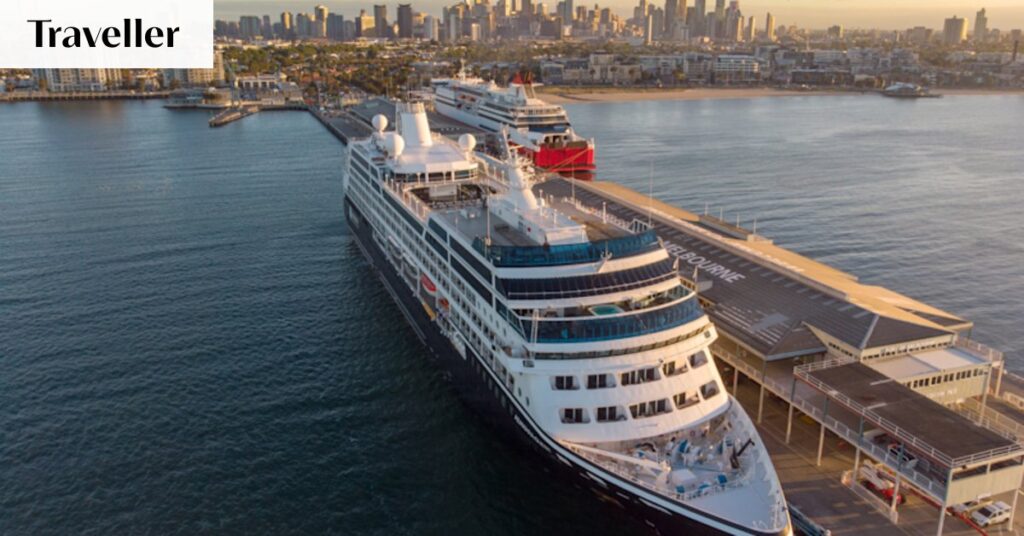
New South Wales (NSW) reaped the most benefits from cruising activities, followed by Queensland, which recorded a higher number of ship visit days. However, Victoria experienced a significant decline in cruise output, dropping by 33.3 percent. In fact, all states witnessed a downturn, with NSW and Queensland experiencing declines of 10.7 percent and 15.7 percent, respectively, while the Northern Territory managed to buck the trend with an increase.
Decline in Economic Output
The total economic output from the cruise industry fell by a substantial 13.2 percent compared to the previous year, which had been the best on record. This decline is attributed to a reduction in the number of cruise ships visiting Australia—68 compared to 75 in the previous season—and shorter stays by some vessels. Overall cabin capacity decreased by 8,174 passengers compared to the prior season.
Despite the reduction in port days, with last season witnessing 1,700 port days, ships visited more ports than ever before, with 56 Australian ports welcoming cruise ships. This diversification in port visits indicates a strategic shift in cruise itineraries.
Spending Patterns and Economic Contributions
The ACA notes that cruise passengers spend an average of $440 per day while on shore, which includes expenditures on flights, hotels, dining, entertainment, shopping, and tours. This spending rate is higher in turnaround or home ports at $504 and peaks at $650 for international passengers.
The crew also contributes to the economy, with an average spend of $134 per person per day.
Cruise lines allocate 39.9 percent of their expenditure to fuel and operating expenses, 22 percent to administration and marketing, 22.1 percent to port and government fees, and 12.8 percent to food and drink purchases.
Trends and Demographics
The vast majority of Australian cruisers, 81.5 percent, traveled within Australia, New Zealand, and the South Pacific during the 2024-25 season, a slight increase from previous years. Notably, the proportion of those cruising solely within Australia rose above 10 percent, possibly reflecting a preference for shorter, more affordable cruises.
Demographic shifts are evident, with 32 percent of Australian cruisers now under 40 years old, and the average age of cruisers standing at 48.4 years. This younger demographic suggests a changing market dynamic, with more working individuals opting for cruise vacations.
Challenges and Future Outlook
Despite Australians’ continued enthusiasm for cruising, the industry faces challenges due to fewer ships sailing to the region. The ACA attributes this trend to rising operating costs, planning uncertainties, regulatory hurdles, and competition from more profitable cruise destinations.
“Rough seas ahead,” as the ACA suggests, may be on the horizon for the Australian cruise industry.
As the industry navigates these challenges, stakeholders will need to adapt strategies to sustain economic contributions and attract cruise lines back to Australian shores. The future of cruising in Australia will likely depend on addressing these operational and economic hurdles effectively.