




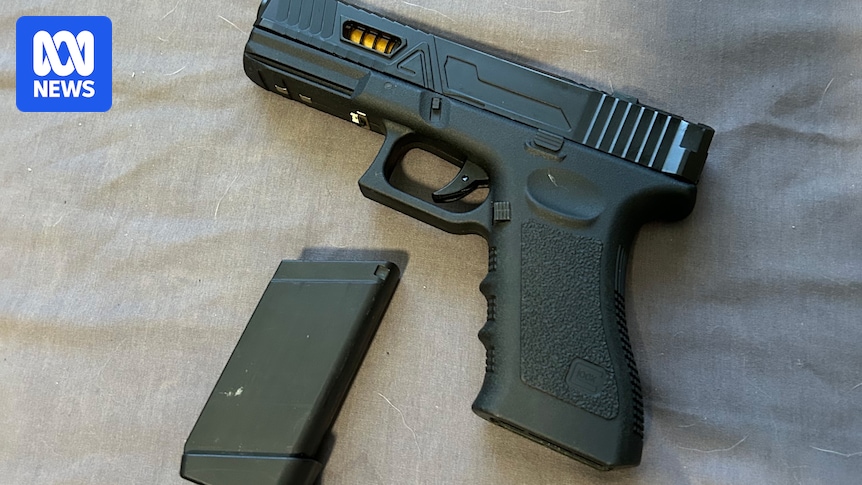
A young boy from regional New South Wales has been charged with making hoax emergency calls, falsely claiming that mass shootings were occurring at major retail and educational institutions in the United States. The boy, whose identity remains undisclosed due to his age, was charged with 12 counts of using a telecommunications network to convey false information about danger and possessing a prohibited firearm. He was scheduled to appear in the NSW Children’s Court on Tuesday.
The charges follow an investigation by the Australian Federal Police (AFP), which was initiated after receiving intelligence from the US Federal Bureau of Investigation (FBI). The FBI had linked the boy to an online criminal network suspected of engaging in “swatting,” a dangerous practice that involves making fake emergency calls to provoke a large-scale police response.
Understanding Swatting and Its Implications
Swatting is a term derived from the Special Weapons and Tactics (SWAT) teams that often respond to such emergencies in the United States. This criminal act is not only disruptive but also poses significant risks to public safety and drains critical emergency resources. The AFP seized several electronic devices from the boy’s residence, which were allegedly used to conduct these hoax calls.
AFP acting Assistant Commissioner Graeme Marshall emphasized the serious nature of these crimes, noting that they are often perpetrated by young males seeking status and notoriety within online communities. “These perpetrators, often young males aged from 11-25, are engaging in crime types such as swatting, doxxing, and hacking to achieve status, notoriety, and recognition in their online groups,” he stated.
“In this investigation, a young boy from regional NSW allegedly caused widespread alarm and turmoil to thousands of people, businesses, and services in the United States, resulting in significant financial implications,” said Marshall.
International Cooperation and Legal Consequences
The collaboration between the AFP and the FBI underscores the international dimension of cybercrime and the importance of cross-border cooperation in tackling such issues. FBI spokesperson Jason Kaplan highlighted the dangerous nature of swatting and reaffirmed the commitment to hold those accountable who exploit technology to harm communities.
“This case demonstrates that anonymity online is an illusion, and we are committed to working with the AFP, our international partners, and private sector partners to identify and hold accountable those who exploit technology to cause harm to communities,” Kaplan remarked.
The maximum penalty for the charges related to conveying false information about danger is five years in prison. The case has drawn attention to the broader issue of online crime networks and the false sense of anonymity that perpetrators often believe they possess.
The Broader Context of Online Crime
This development follows the establishment of Taskforce Pompilid by the AFP in October, aimed at combating members of online crime networks. The task force’s efforts are part of a broader strategy to address various forms of cybercrime, including swatting, doxxing, and hacking.
Experts warn that the digital age has facilitated new forms of criminal activity, with young individuals being particularly susceptible to engaging in such behavior due to the allure of online recognition. The case serves as a stark reminder of the potential consequences of cybercrime and the importance of educating young people about responsible online behavior.
As the legal proceedings continue, authorities are likely to emphasize the need for increased awareness and preventive measures to deter similar incidents in the future. The outcome of this case may also influence how law enforcement agencies globally approach the issue of swatting and other forms of online crime.