
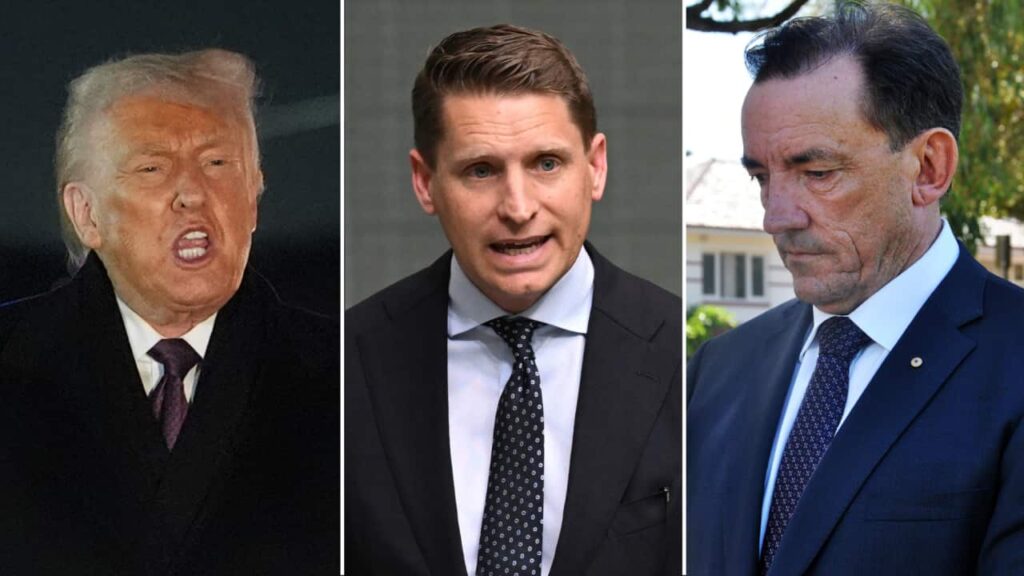
Australia’s Returned and Services League (RSL) and federal politicians have joined international leaders in condemning former United States President Donald Trump’s controversial comments regarding allied forces’ roles in Afghanistan. Trump’s assertion that these troops stayed “a little off the front lines” has sparked a significant backlash.
On Thursday, Trump expressed skepticism on Fox Business Network about whether NATO allies would meet the “ultimate test” of defending the US if necessary. “We have never really asked anything of them. You know, they’ll say they sent some troops to Afghanistan, or this or that, and they did, they stayed a little back, a little off the front lines,” he stated.
Australian Veterans and Politicians Respond
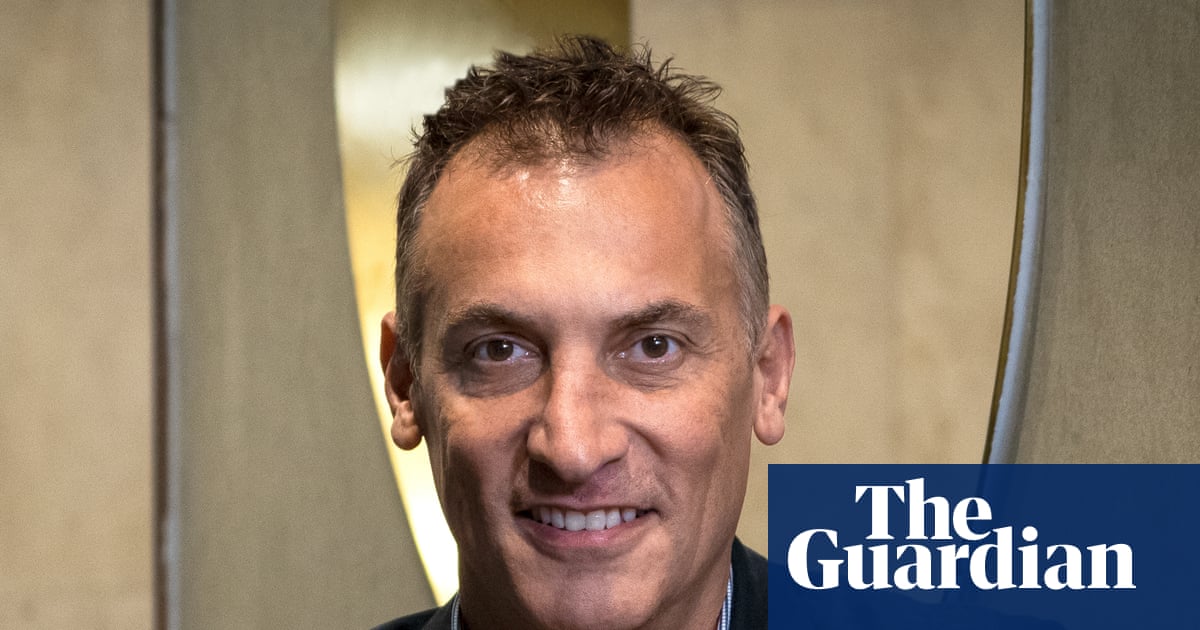
Peter Tinley, national president of RSL Australia and a former deputy commander of Special Forces Task Groups in Afghanistan and Iraq, described Trump’s comments as “factually wrong, historically ignorant, and deeply offensive.” He called for a strong response from Australian Prime Minister Anthony Albanese and Opposition Leader Sussan Ley.
“The Prime Minister should call on President Trump to withdraw his comments and apologize to all those who served in the 20-year war,” Tinley said in a statement. “Our veterans deserve nothing less than the unequivocal support of their nation’s leaders.”
Defence Minister Richard Marles, while not directly addressing Trump’s comments, paid tribute to the 47 Australian service members who lost their lives in Afghanistan. “The more than 40,000 who served our nation in the 20 years of the war in Afghanistan did so with extraordinary bravery and made our nation proud,” he wrote on social media.
“Many of you deployed multiple times, missed births, funerals, and years of your children’s lives. Some of you carry visible and invisible wounds that will never fully heal. And some of you are caring for mates who are struggling or grieving those who didn’t make it home.” — Peter Tinley
Political Figures Demand Apology
Liberal MP Andrew Hastie, who served with the Australian Defence Force (ADF) in Afghanistan, labeled Trump’s remarks a “massive slur” against allied troops. “Not just against allied troops but against our Aussie diggers who fought, bled, and died alongside Americans,” Hastie stated in a Facebook video.
Tasmanian independent senator Jacqui Lambie, a former ADF member, also criticized Trump’s comments as “utterly shameful” and demanded an apology. “When terrorists flew planes into the World Trade Centre on 9/11, NATO troops—including Australians—answered the call,” she posted on Facebook.
Trump’s military record has been scrutinized in the past, particularly his medical exemption from the Vietnam War due to bone spurs, a diagnosis reportedly arranged as a “favor” to his father.
European Leaders Join the Chorus of Condemnation
Trump’s comments have also drawn criticism from European leaders and military personnel. British Prime Minister Keir Starmer called the remarks “insulting and frankly appalling.” Prince Harry, who served in Afghanistan, emphasized the need for truthful and respectful acknowledgment of sacrifices made.
“Those sacrifices deserve to be spoken about truthfully and with respect.” — Prince Harry
Afghanistan was Britain’s deadliest overseas war since the 1950s, with 457 service personnel lost. Stuart Tootle, a retired colonel who led the first UK battle group in Helmand, urged Trump to apologize, noting the significant contributions and sacrifices made by allied forces.
Historical Context and NATO’s Role
This controversy follows a pattern of Trump’s criticism of NATO allies, often focusing on their defense spending. The only invocation of NATO’s Article 5, the mutual defense clause, was in response to the 9/11 attacks, leading to significant allied involvement in Afghanistan.
Former Danish platoon commander Martin Tamm Andersen highlighted Denmark’s commitment, noting that 44 Danish soldiers were killed in Afghanistan, the highest per capita death toll among coalition forces.
“When America needed us after 9/11, we were there.” — Martin Tamm Andersen
The ongoing debate underscores the importance of mutual respect and acknowledgment in international military alliances, as well as the lasting impact of words from influential leaders.