



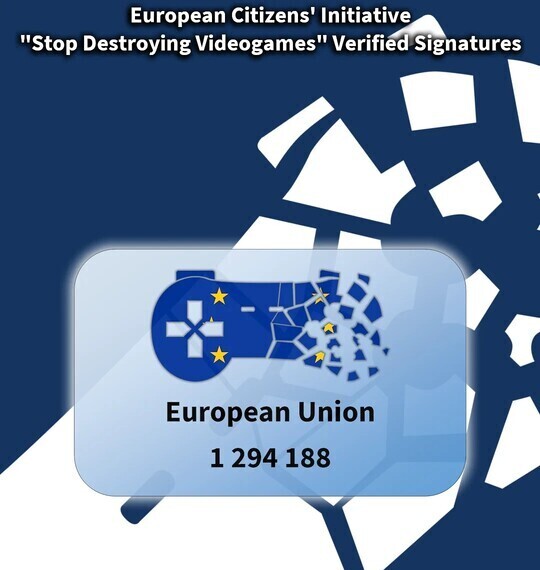
The “Stop Killing Games” movement, which advocates for the preservation of video games after official support ends, has garnered significant attention, reaching nearly 1.3 million verified signatures on its petition. This grassroots initiative aims to ensure that games remain accessible and playable, even after developers cease their official support.
The movement’s rapid growth highlights the increasing concern among gamers and industry stakeholders about the longevity of digital entertainment. As more games transition to online services, the risk of losing access to beloved titles once servers shut down has become a pressing issue.
Understanding the Movement’s Objectives
The “Stop Killing Games” movement seeks to address a critical gap in the gaming industry’s current practices. By advocating for legislation that mandates game preservation, the movement hopes to compel developers to provide solutions that keep games functional, such as releasing server binaries or enabling community-hosted servers.
Supporters argue that when official support ends, players should still have the option to enjoy their purchases. This movement resonates with many gamers who have experienced the frustration of losing access to favorite titles due to server shutdowns.
Industry Reactions and Concerns
While the movement has gained widespread support, it has also sparked debate within the gaming community. Some industry insiders express concerns about the potential impact on small indie developers. Space Lynx, a commenter on the movement’s forum, voiced apprehension that new laws might deter indie companies with limited budgets from pursuing innovative projects.
“I have mixed feelings about this,” Space Lynx wrote. “What if a small indie company had an amazing MMORPG idea, but with this law in place it scared them because their budget is very limited?”
Others, like Vayra86, counter that if a law deters developers, it might indicate that they are not prepared to manage a live service game. They argue that solutions exist to mitigate server expenses without harming a company’s bottom line.
Historical Context and Comparisons
The issue of game preservation is not new. In the past, games like “World of Warcraft” have seen unofficial servers emerge, allowing players to continue enjoying the game despite official server shutdowns. This has led to a fragmented gaming experience, with varying levels of quality and support.
Historically, the preservation of digital media has been a challenge across various industries. As technology evolves, so too does the need for updated policies that protect consumer rights and ensure access to digital products. The “Stop Killing Games” movement is part of a broader trend of consumers demanding more control over their digital purchases.
Expert Opinions and Future Implications
Experts in digital rights and gaming law suggest that the movement could lead to significant changes in how games are developed and maintained. By pushing for legislative action, the movement aims to establish industry-wide best practices that prioritize game longevity and consumer access.
“If this is not enforced through EU legislation, it’ll become a grassroots push,” noted Vayra86. “The customer perception on that subject is very logical and unstoppable.”
Looking ahead, the movement’s success could influence other digital media sectors, prompting similar initiatives aimed at preserving access to digital content. As the digital landscape continues to expand, the demand for consumer rights and product longevity is likely to grow.
The “Stop Killing Games” movement represents a pivotal moment in the gaming industry, challenging developers and policymakers to rethink their approach to digital preservation. As the petition approaches 1.3 million signatures, it is clear that gamers are united in their demand for change, and the industry will need to respond accordingly.