


Gene-editing tools like CRISPR have revolutionized the treatment landscape for previously incurable diseases. Now, researchers at the University of British Columbia (UBC) are pioneering a new frontier by applying these advancements to the skin. This groundbreaking development marks the first instance of gene therapy capable of correcting faulty genes when applied directly to human skin.
The UBC team, in collaboration with researchers from the Berlin Institute of Health at Charité in Germany, has unveiled this innovation in a paper published today in Cell Stem Cell. The breakthrough holds promise for treating a wide array of genetic skin conditions, ranging from rare inherited diseases to more prevalent disorders such as eczema.
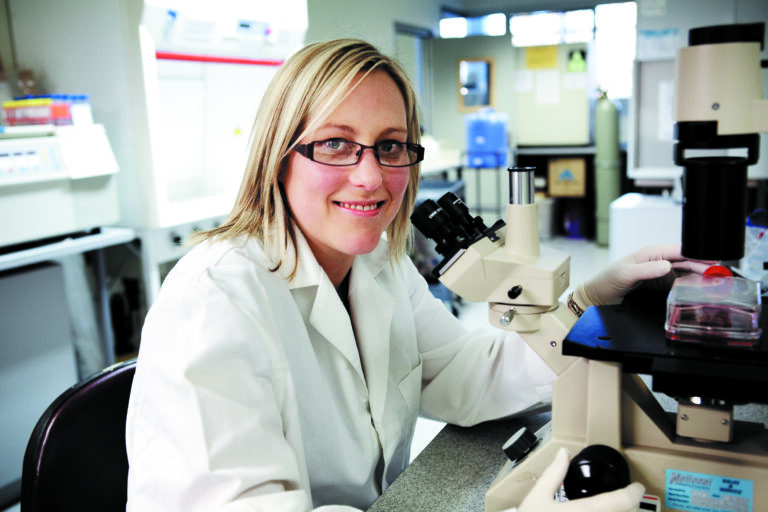
“With this work, we show that it is possible to correct disease-causing mutations in human skin using a topical treatment that is safe, scalable, and easy-to-use,” said Dr. Sarah Hedtrich, an associate professor at UBC’s School of Biomedical Engineering and senior author of the study. “Importantly, the approach corrects the root cause of disease, and our data suggests that a one-time treatment might even be enough to provide a lasting and durable cure.”
Broad Therapeutic Potential
The study demonstrates the gene therapy’s ability to correct the most common genetic mutation responsible for autosomal recessive congenital ichthyosis (ARCI), a rare and life-threatening inherited skin disorder evident at birth. Affecting approximately one in 100,000 people, ARCI leads to lifelong complications, including extremely dry and scaly skin, chronic inflammation, and a heightened risk of infections. Currently, there is no cure or effective treatment, leaving patients to manage symptoms throughout their lives.
“For many patients, this condition is not only physically painful but also deeply stigmatizing and isolating,” Dr. Hedtrich noted.
By testing the treatment on models made from living human skin, the researchers demonstrated that it could restore up to 30 percent of normal skin function—a level that previous research suggests could be clinically meaningful for normalizing skin function. While ARCI affects relatively few people, the researchers assert that the treatment strategy could be adapted for other genetic skin diseases, including epidermolysis bullosa—a severe skin blistering condition often referred to as ‘butterfly skin’—and potentially more common conditions such as eczema or psoriasis.
“The approach we developed is a platform technology,” said Dr. Hedtrich. “It can be readily adapted to treat almost any skin disease.”
A New Way to Deliver CRISPR Gene Editing
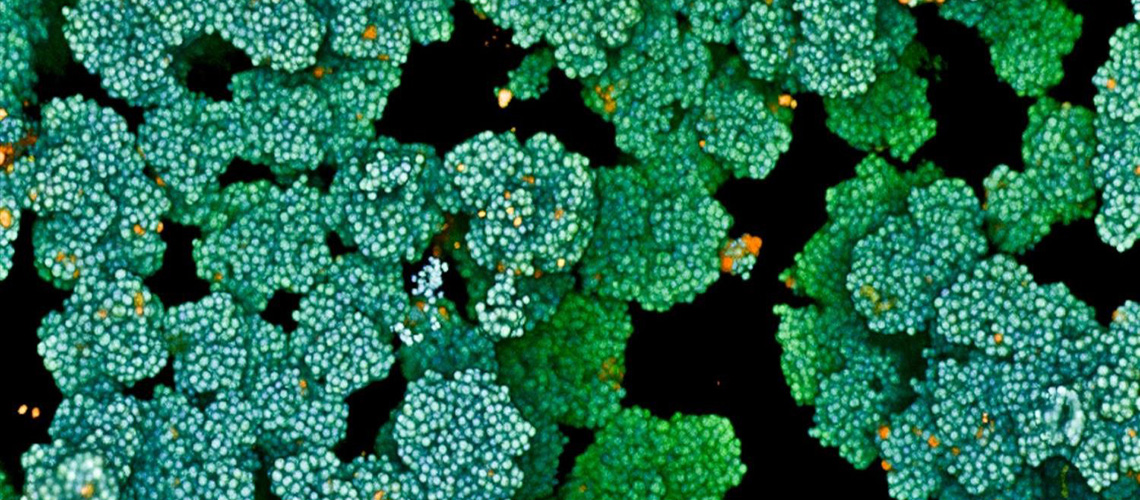
Despite significant advances in gene editing, applying the technology to skin diseases has posed a persistent challenge. The skin’s primary function as a protective barrier complicates the delivery of large biological therapies, such as gene editors. To overcome this, the team devised an innovative delivery method using lipid nanoparticle technology, or LNPs. These microscopic “bubbles of fat,” pioneered by UBC professor Dr. Pieter Cullis and brought to global prominence through mRNA vaccines, can transport gene-editing technology into cells.
Utilizing a clinically approved laser, researchers first create microscopic, pain-free openings in the outer skin layers. This allows the lipid nanoparticles to penetrate the skin barrier and reach skin stem cells beneath the surface. Once inside, the gene editor corrects the underlying DNA mutation, enabling the skin to begin functioning more normally.
“This is a highly targeted, localized approach,” said Dr. Hedtrich. “The treatment stays in the skin, and we saw no evidence of off-target effects, which is a critical safety milestone.”
Implications and Future Steps
The study was conducted in close collaboration with Vancouver-based biotech company NanoVation Therapeutics, a UBC spin-off focused on developing LNP-based genetic medicines. The researchers now aim to transition the treatment into clinical testing and have already been engaging with regulatory authorities to outline the necessary safety and efficacy studies.
“Our goal now is to take this from the lab into first-in-human clinical trials,” said Dr. Hedtrich. “We hope this work will ultimately lead to a safe, effective treatment that can transform the lives of patients who currently have no real therapeutic options.”
The announcement comes as gene-editing technologies continue to advance, offering new hope for patients with genetic disorders. With the potential to address both rare and common skin conditions, this innovation could pave the way for a new era in dermatological treatments.