




The Australian Securities Exchange (ASX) took a hit today, dropping 0.2% to 8,924 points, following the release of unexpected inflation data. The Australian dollar also fell by 0.3%, now trading at 69.92 US cents. This comes as global markets show mixed results, with Wall Street’s Dow Jones down 0.8%, while the S&P 500 and Nasdaq rose by 0.4% and 0.9% respectively. European markets showed resilience with the FTSE and Stoxx 600 both up by 0.6%, although the DAX slipped by 0.2%.
Gold prices saw an uptick of 0.6%, reaching $US5,222 per ounce, while Brent crude oil experienced a slight increase of 0.2% to $US67.68 per barrel. Iron ore prices fell by 0.5% to $US104.61 per tonne, and Bitcoin saw a modest rise of 0.2%, trading at $US89,334. These figures were recorded around 12:45pm AEDT.
Amazon’s Foray into Fresh Produce Delivery
In a notable development, Amazon has entered the Australian fresh food market through a partnership with Harris Farm Markets, aiming to deliver fresh produce to 80 suburbs in Sydney. Despite this move, Citigroup’s brokerage arm, Citi, anticipates that the entry will have “no material effect” on supermarket giants Woolworths and Coles in the short term. Harris Farm, primarily catering to the Sydney market, has annual sales of about $1 billion, and the partnership is projected to generate $50 million to $100 million in sales over time.
However, Citi warns that an expansion of this venture into other states could pose a more significant impact on these supermarket chains. This partnership marks Amazon’s first step into fresh grocery delivery in Australia, with same-day and next-day delivery options now available.
US-Taiwan AI and Tech Collaboration
Meanwhile, Taiwan has been described as a “vital partner” in artificial intelligence by US officials, as senior Taiwanese and US representatives discussed cooperation in AI, technology, and drones. This high-level forum, initiated during the Trump administration, underscores the strategic importance of Taiwan in the global tech landscape. The US-Taiwan Economic Prosperity Partnership Dialogue, which began in November 2020, continues to foster economic security and technological collaboration.
Key agreements were signed, including the Pax Silica Declaration, aimed at securing AI and semiconductor supply chains. The discussions also addressed supply chain security, drone component certification, and critical mineral cooperation.
RBA’s Inflation Strategy and Rate Hike Prospects
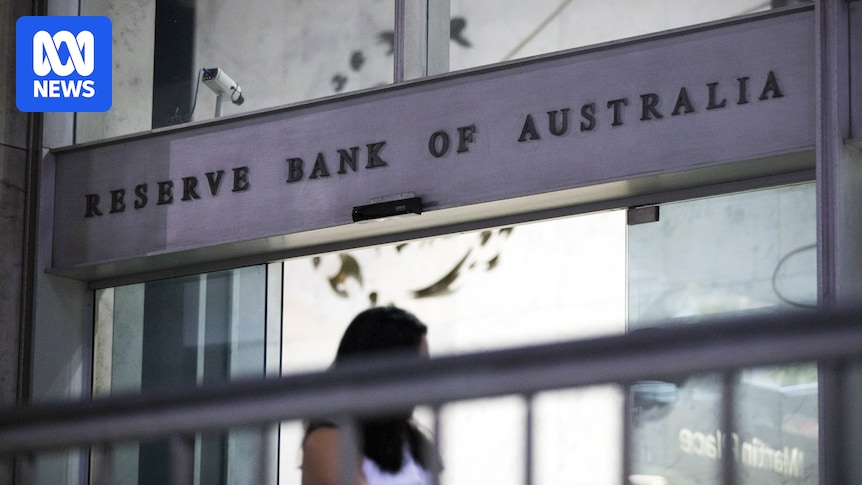
The Reserve Bank of Australia (RBA) is under scrutiny as it faces a potential interest rate hike amid rising inflation. The Consumer Price Index (CPI) rose by 3.8% in the 12 months to December, up from 3.4% in November. This sharp increase has led Capital Economics to predict an inevitable rate hike at the RBA’s upcoming meeting.
Westpac, ANZ, and other major banks have adjusted their forecasts, now expecting a 0.25 percentage point rate hike. The RBA’s deputy governor, Andrew Hauser, emphasized the importance of forecasting inflation over the next one to two years, rather than focusing solely on current figures. He noted that if inflation numbers are “spectacularly high or low,” it would influence the RBA’s judgment.
“The sharper-than-expected rise in underlying inflation makes it all but certain that the Reserve Bank of Australia will raise interest rates at its meeting next week,” said Abhijit Surya, senior APAC economist with Capital Economics.
Economists like David Bassanese from Betashares argue that the RBA has “little choice” but to implement rate hikes to curb economic momentum and address persistent inflationary pressures.
Impact on Australian Wine Exports and Market Trends
In other economic news, Australian wine exports to China have fallen by 17%, reflecting a broader trend of reduced alcohol consumption in China due to wellness awareness and rising living costs. The value of Australia’s wine exports decreased by 8% to $2.34 billion in 2025. Wine Australia’s head of market insights, Peter Bailey, noted that trade barriers and regional conflicts are complicating market access for exporters.
Despite the challenges, Australian winemakers had previously benefited from strong sales to China when tariffs were lifted in 2024. However, the rapid decline in Chinese demand is now impacting the industry significantly.
As the RBA prepares for its next meeting, all eyes will be on the central bank’s decision and its implications for the Australian economy. With inflationary pressures mounting, the likelihood of a rate hike seems increasingly probable, potentially setting the stage for further economic adjustments in the coming months.