




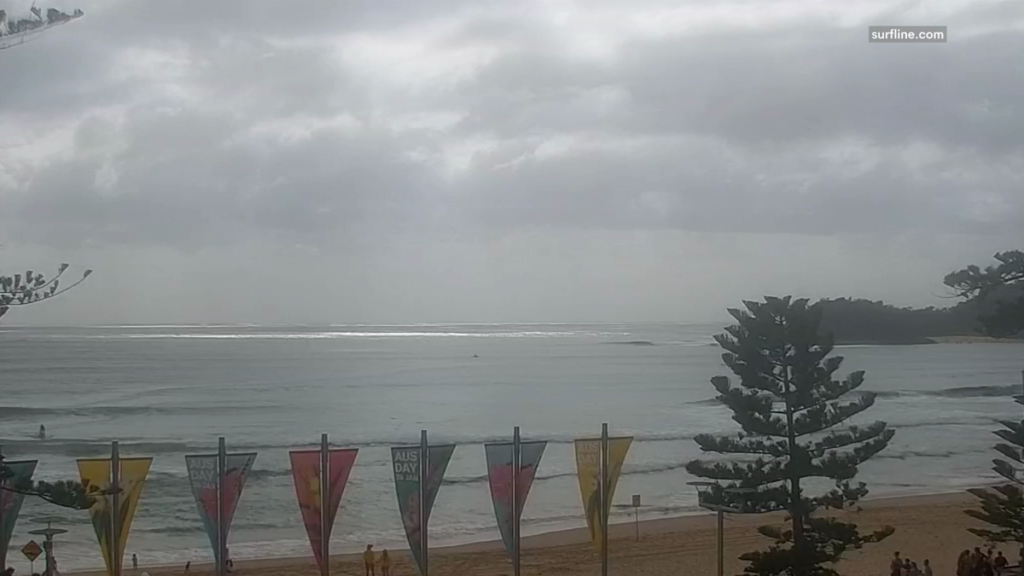
In a dramatic turn of events, Manly and Freshwater beaches in Sydney, New South Wales, were closed on Monday following a shark alarm. The alarm was triggered after sightings of an unidentified shark species, prompting immediate action from local authorities to ensure public safety. This closure comes amid a series of shark attacks in the region, heightening public concern.
The recent spate of shark incidents includes four attacks reported across Sydney and the Mid North Coast of New South Wales in the past week. Among these incidents was the tragic case of 12-year-old Nico Antic, who was fatally injured by a suspected bull shark at Vaucluse on January 18. Despite being rushed to the hospital, Antic succumbed to his injuries, marking a somber moment for the community.
Government Response to Shark Threat
In response to the growing threat posed by bull sharks, the federal government has announced a comprehensive $4.2 million package aimed at addressing the issue. This initiative underscores the urgency of the situation and reflects a broader strategy to mitigate shark-related risks in and around Sydney’s coastal areas.
The package is expected to fund research, improve shark detection technologies, and enhance public awareness campaigns. These measures are part of a concerted effort to balance the safety of beachgoers with the ecological considerations of shark conservation.
Historical Context of Shark Incidents
Shark attacks, while statistically rare, have long been a concern for coastal communities in Australia. The country is home to diverse marine life, including several shark species known for their occasional interactions with humans. Historical data suggests that while the number of attacks can fluctuate, the overall risk remains relatively low compared to other hazards.
Experts attribute the recent increase in incidents to a combination of factors, including warmer ocean temperatures and changes in marine ecosystems. These conditions can lead to sharks venturing closer to shorelines in search of food, inadvertently increasing the likelihood of encounters with humans.
Expert Opinions and Future Implications
Marine biologists and environmental scientists emphasize the importance of understanding shark behavior to develop effective prevention strategies. Dr. Sarah Thompson, a marine ecologist at the University of Sydney, notes that “public education and technological advancements in shark detection are crucial components of a comprehensive safety strategy.”
Looking ahead, the challenge lies in implementing measures that protect both human lives and marine biodiversity. The government’s investment in shark management is a positive step, but ongoing research and community engagement will be essential to address the complexities of human-shark interactions.
As the situation evolves, authorities urge the public to remain vigilant and adhere to beach safety guidelines. The closure of Manly and Freshwater beaches serves as a reminder of the dynamic relationship between humans and the natural world, highlighting the need for continued dialogue and innovation in managing these interactions.