



Health experts are increasingly alarmed by a significant rise in shingles cases among younger Australians, particularly those aged 25 to 49. Over the past 13 years, the incidence of this painful condition has nearly tripled, prompting urgent calls for research and preventive measures.
Traditionally perceived as an ailment affecting older adults, shingles has shown a surprising increase in younger demographics. According to data from the National Notifiable Disease Surveillance System, there were 3,778 recorded cases in the 25-to-49 age group last year, compared to just 1,301 in 2013. It’s important to note that these figures exclude New South Wales, where shingles is not classified as a notifiable disease.
Understanding the Rise in Shingles Cases
Dr. Aakriti Gupta, a board member of the Australasian Society of Cosmetic and Procedural Dermatologists, suggests that the surge in cases may be linked to the heightened stress levels experienced by younger generations. “Shingles is commonly triggered during periods of intense stress, after viral infections, and during major hormonal or immune shifts,” she explained. “Everyone talks about how this generation is under more stress.”
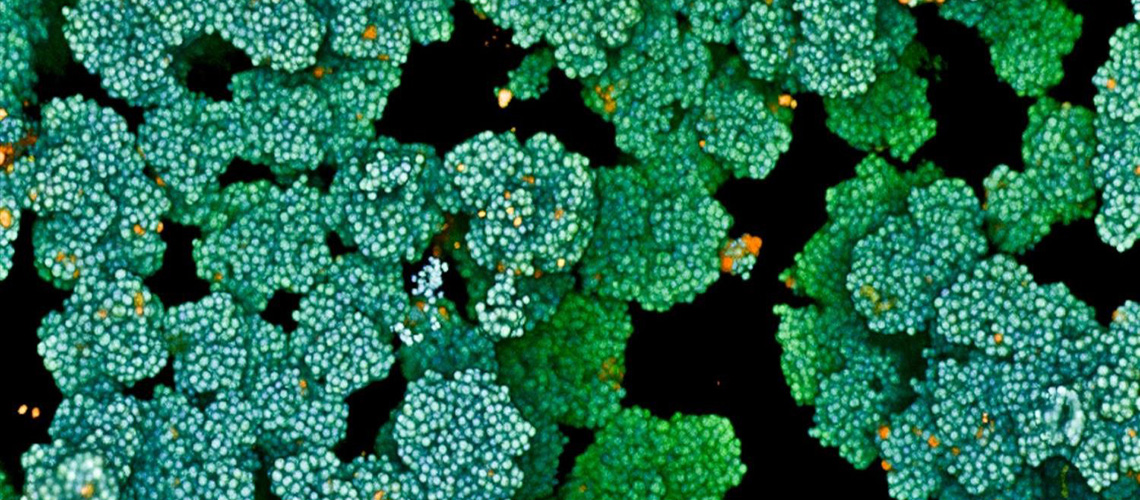
Shingles, characterized by a painful red rash, is caused by the reactivation of the chickenpox virus. After a chickenpox infection, the virus retreats to nerve tissues near the spine and brain, where it can remain dormant for decades. While the link between stress and shingles remains debated, some researchers believe stress can suppress the immune system, allowing the virus to reactivate.
Expert Opinions and Alternative Explanations
While stress is often cited as a trigger, other factors may contribute to the rise in shingles cases. Professor Tony Cunningham, head of the Centre for Virus Research at the Westmead Institute, points to the growing use of immunosuppressive drugs for autoimmune conditions as a potential factor. “Increased awareness of shingles might also be leading to more reported cases,” he noted.
“None of that has been proven,” Cunningham said, referring to the hypothesis that vaccinating children against chickenpox has increased shingles risk in adults. “More research is needed to pinpoint this continual rise over three decades.”
Cunningham also highlighted the ongoing debate about whether younger Australians who received the chickenpox vaccine will require future boosters to protect against shingles. Currently, the vast majority of those immunized against chickenpox do not develop shingles.
Personal Stories Highlight the Impact
Personal accounts underscore the debilitating nature of shingles. In 2020, Melissa Mack, a new mother, developed a painful rash and severe back pain shortly after giving birth. Initially attributing the symptoms to other causes, she was eventually diagnosed with shingles and treated with antibiotics and pain medication.
“It was one of the most horrible experiences of my life,” Mack recalled. “A lot of pain ebbs and flows, but this was intense and unrelenting.”
Remarkably, Mack’s husband also contracted shingles a few weeks later. While her intense pain subsided after two weeks, she experienced residual discomfort for nearly two years.
Vaccination and Prevention Efforts
The National Immunisation Program currently funds a shingles vaccine for specific groups, including individuals over 65, Aboriginal and Torres Strait Islander people over 50, and immunocompromised individuals over 18. These populations are at the highest risk of severe shingles cases, which can involve widespread rashes and enduring nerve pain.
Despite recommendations from the Australian Immunisation Handbook for people over 50 to vaccinate against shingles, those under 65 often face a significant cost of approximately $560 for the two-dose vaccine.
Dr. Anita Munoz, the Victorian chair of the Royal Australian College of General Practitioners, treats several younger patients with shingles each year. She emphasizes the importance of awareness and early treatment to manage the condition effectively.
As the medical community continues to investigate the causes behind the rising shingles cases among younger Australians, the focus remains on understanding the interplay of stress, immune function, and other contributing factors. With ongoing research and preventive measures, experts hope to mitigate the impact of this painful condition on younger populations.