

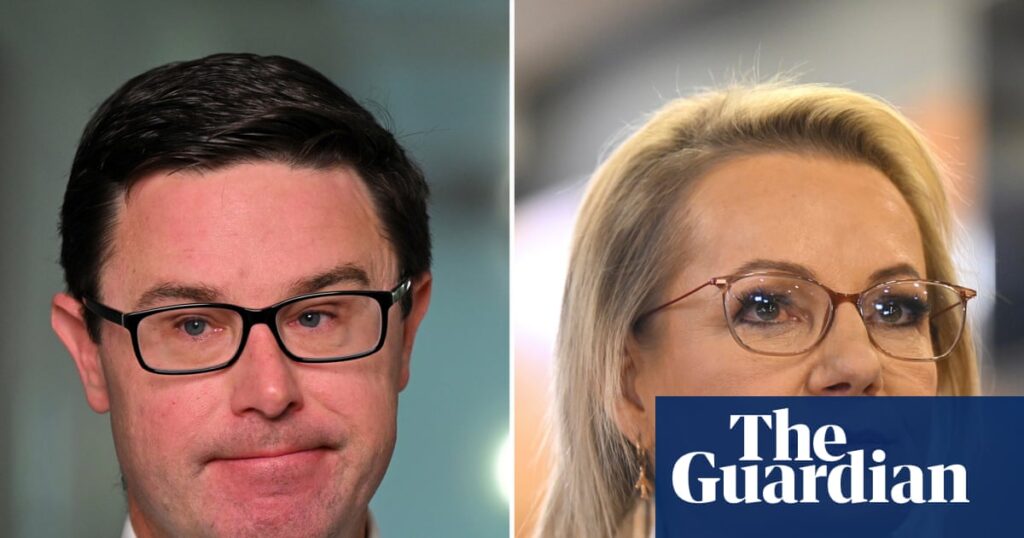
David Littleproud has turned down Sussan Ley’s proposal for last-minute peace talks as the Australian parliament gears up for its return next week. This decision comes amid growing tensions within the Coalition, as the Nationals leader braces for a leadership contest.
In a message addressed to Liberal MPs on Wednesday, Ley disclosed that she had reached out to Littleproud on Tuesday night, suggesting a meeting “without any preconditions” to discuss the future of the two parties’ relationship following last week’s dramatic breakup.
“I reminded him that as the leaders of the Liberal and National parties, we are the stewards of two great movements that exist to serve the Australian people and that maintaining a strong and functioning relationship between our two parties is in the national interest – whether in formal Coalition or not,” Ley’s letter read, as first reported by the Nine papers.
Background of the Coalition Breakup
The Coalition’s breakup has sent ripples through Australian politics, prompting Ley to authorize a select group of shadow ministers, including Ted O’Brien and Dan Tehan, to keep communication channels open with the Nationals. This move is seen as a potential avenue for future reconciliation.
According to Ley’s message, Littleproud declined the offer for talks, citing his focus on an impending motion to spill the Nationals leadership. This motion, driven by disgruntled backbencher Colin Boyce, is set to be moved at a party room meeting on Monday. Boyce has expressed his intention to stand as a candidate if the spill motion succeeds.
Boyce accused Littleproud of leading the party off a “political cliff” after the split with the Liberals, describing it as “political suicide” that would heighten the Nationals’ vulnerability to One Nation.
Reactions and Political Maneuvering
Boyce has denied speculation about defecting to One Nation, following in the footsteps of former Nationals leader Barnaby Joyce. Meanwhile, Nationals MPs have dismissed Boyce’s prospects, expressing confidence that Littleproud retains the backing of most colleagues despite some discontent over his role in the Coalition’s second major fallout in eight months.
Senior Nationals figures, Matt Canavan and Darren Chester, have ruled themselves out of the leadership race, with Chester criticizing Boyce’s bid. “I entered politics to make a difference for the people of Gippsland, not to participate in self-indulgent Canberra games about leadership and issues which have no real impact on people in my community,” Chester stated.
Sources within the Nationals confirmed that Littleproud declined Ley’s meeting invitation to respect the party room process. Ley, in her message to MPs, indicated that the Liberals would “talk to whoever The Nationals elect as their leader” because, regardless of coalition status, it is their duty to hold the Albanese Government accountable.
Future of the Coalition
Despite the turmoil, Ley’s willingness to extend an olive branch suggests she is open to reuniting the Coalition or at least maintaining a working relationship with the Nationals. This is despite the anger among many of her colleagues regarding the Nationals’ recent actions.
Littleproud has expressed readiness to re-enter a Coalition if Ley agrees to reinstate the three Nationals senators who resigned after defying party lines on Labor’s hate speech laws. Ley’s acceptance of these resignations led to the entire Nationals frontbench stepping down, causing the Coalition to implode.
The failure to arrange peace talks means Ley is now expected to proceed with announcing a Liberal-only frontbench ahead of parliament’s return on Tuesday.
An announcement is anticipated after the memorial service for former Liberal MP Katie Allen on Thursday. Concurrently, Littleproud is expected to assign portfolios to the Nationals this week.
Leadership Speculations and Next Steps
Speculation about a potential challenge to Ley’s leadership has quieted, with potential contenders Angus Taylor and Andrew Hastie yet to publicly declare their intentions. As the political landscape continues to shift, the coming days will be critical in determining the future dynamics of Australia’s major political parties.