



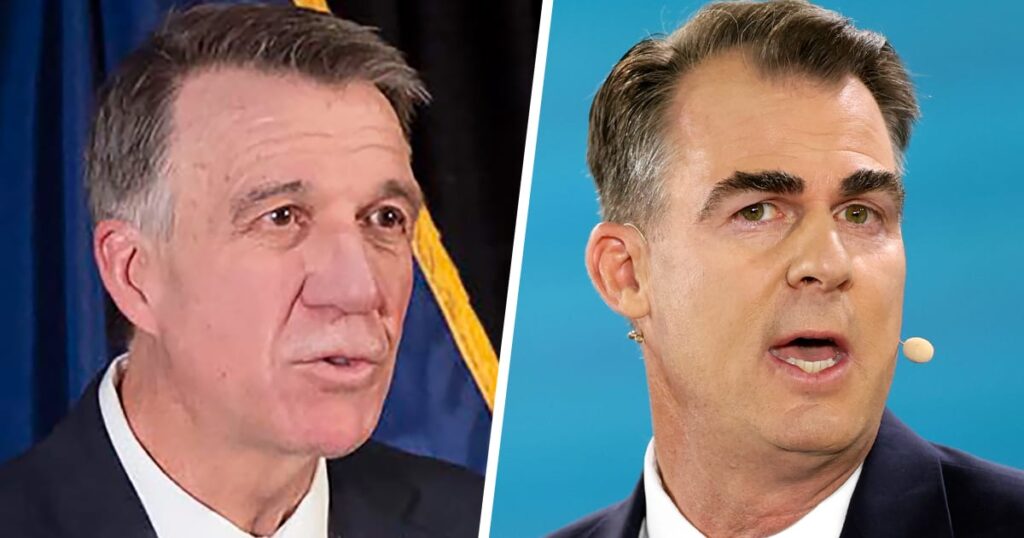
After federal agents fatally shot Alex Pretti, an intensive care nurse, on a Minneapolis street in broad daylight, Vermont’s Republican Governor Phil Scott made an unexpected call for change. His response echoed sentiments more commonly associated with Democrats: “Enough. It’s not acceptable for American citizens to be killed by federal agents for exercising their God-given and constitutional rights to protest their government.”
Scott criticized the federal immigration operations, labeling them as a failure in public safety coordination and leadership. He urged President Trump to pause these operations, de-escalate tensions, and refocus federal efforts on targeting truly criminal illegal immigrants. “In the absence of presidential action, Congress and the courts must step up to restore constitutionality,” Scott asserted.
GOP Unity Across State Lines
While some might view Scott’s stance as politically motivated due to Vermont’s liberal leanings, he is not alone. Oklahoma Governor Kevin Stitt, a Republican from a staunchly conservative state, expressed similar concerns. Speaking to CNN’s Dana Bash, Stitt voiced his unease over federal tactics and accountability. “What we’re seeing on TV, it’s causing deep concerns,” he stated, questioning the federal government’s objectives in these operations.
Stitt emphasized the importance of federalism and state rights, suggesting that the current approach might not align with American values. “Is it to deport every single non-U.S. citizen? I don’t think that’s what Americans want,” he concluded.
Background and Context
The controversy surrounding federal immigration operations has been escalating, particularly with the deployment of federal agents to various cities under the guise of protecting federal property. Critics argue that these actions often lead to excessive force and infringe upon civil liberties.
Historically, tensions between federal and state authorities over immigration enforcement are not new. The debate over the balance of power has been a persistent theme in American politics, often flaring up during periods of heightened immigration concerns.
Expert Opinions and Analysis
According to immigration policy expert Dr. Lisa Martinez, the current situation reflects a broader struggle over immigration policy in the United States. “What we are witnessing is a clash between federal authority and state autonomy, complicated by differing political ideologies,” she explained.
Martinez noted that while federal operations aim to enforce immigration laws, the methods and their implementation have raised questions about oversight and human rights. “The optics of these operations are damaging, and they risk undermining public trust in law enforcement,” she added.
Implications and Future Prospects
The calls from governors Scott and Stitt for a reassessment of federal immigration tactics highlight a growing bipartisan concern over the current approach. Their statements suggest a potential shift in the Republican discourse on immigration, traditionally a cornerstone of the party’s platform.
As the nation grapples with these issues, the role of Congress and the judiciary in addressing the balance of power between federal and state authorities becomes increasingly critical. The outcome of these debates could shape the future of immigration policy in the United States.
Moving forward, the federal government may need to consider more collaborative approaches with state governments to ensure that immigration enforcement aligns with both national security interests and the protection of civil liberties.