


In the world of Magic: The Gathering, revisiting a beloved setting often involves weaving in callbacks to previous iterations. This week, we delve into the intricacies of Lorwyn Eclipsed, exploring the mechanical callbacks and design processes behind the cards. From the original Lorwyn set to its latest iteration, the evolution of typal themes and innovative mechanics is a testament to the game’s dynamic nature.
The Evolution of Typal Themes
One of the core interests during the original Lorwyn set was the exploration of typal themes. Introduced by Richard Garfield in Limited Edition (Alpha), these themes initially focused on creatures supporting specific types. Over time, the concept expanded to include noncreature cards with typal effects, and even interactions with creature types in the graveyard. However, one area remained unexplored: the hand.
In the Un-set, Unglued, a card was designed around a creature that appeared innocent but was secretly malevolent. This card could be revealed from the hand to cause an opponent to lose life, introducing the idea of using cards in hand as a resource. This concept was further explored in Urza’s Destiny, where effects scaled based on the number of certain-colored cards in hand.
Design Innovations in Lorwyn
The Lorwyn design team was intrigued by the idea of revealing cards from the hand to express typal themes. They created two cycles: a common cycle of creatures that were cheaper if another creature of its type was revealed, and a rare cycle of dual lands that entered tapped unless a card of the appropriate type was revealed.
This concept was revisited in Dragons of Tarkir, where cards cared about having a Dragon on the battlefield or in hand. This led to the creation of the keyword action, “behold,” which became a valuable tool for future sets.
Champion Mechanic: A Return to Form
The Champion mechanic in Lorwyn aimed to evolve Magic mechanics by tying connections to creature types. An Elf could transform into Wren’s Run Packmaster, eliminating card disadvantage when spending two cards on a single creature. Despite its potential, the mechanic was challenging to use effectively.
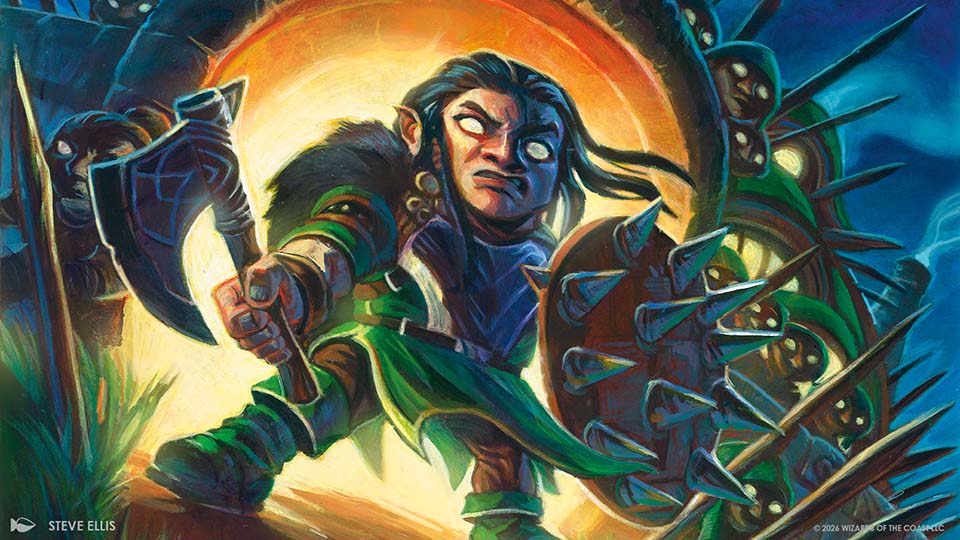
For Lorwyn Eclipsed, the design team revisited Champion, integrating the “behold” mechanic to add value. This allowed players to reveal cards from their hand, preventing the loss of a permanent on the battlefield. The team created a rare cycle of creatures, each matching the five creature types around which Limited archetypes were built.
Challenges and Solutions
The team faced challenges in integrating “behold” with the existing Champion mechanic. They opted to write out the mechanic and make callbacks through card titles, each including the word “Champion.” This approach allowed each card’s ability to align with its typal archetype’s core mechanical theme.
The Power of Commands
Aaron Forsythe, editor-in-chief of DailyMTG and later a key figure in R&D, had a penchant for modal effects. The first Charms appeared in Mirage, combining small effects to create value. In Lorwyn, Aaron sought to enhance modal effects by increasing choices, allowing multiple selections, and incorporating impactful effects at higher rarities.
“The Lorwyn Commands were so popular that we’ve brought them back numerous times.” – Aaron Forsythe
In Lorwyn Eclipsed, the design team focused on typal effects, aligning Commands with the set’s five creature types. Each Command was a two-color card, with at least one effect being typal, enhancing the cards’ strength within their archetypes.
Typal Themes and Kindred Cards
The design team aimed to incorporate more typal cards that weren’t creatures. By creating spells for roles typically filled by noncreature spells, they encouraged diverse deck compositions. The return of the “kindred” card type, introduced in Lorwyn, helped expand typal themes to noncreature cards.
By the Numbers: Lorwyn Eclipsed features thirteen kindred cards, including a rare multicolor Command cycle.
Innovative Card Design: Encumbered Reejerey and More
Designing cards that cover multiple themes is a hallmark of Magic’s creativity. In Eventide, two major themes were -1/-1 counters and “colors matter.” The solution involved creatures entering with -1/-1 counters, with abilities triggered by casting spells of specific colors.
In Lorwyn Eclipsed, the design team explored new triggers for these mechanics. Encumbered Reejerey, for example, fits into both aggressive and tap-themed decks. Moonshadow synergizes with black’s removal and sacrifice abilities, while Reluctant Dounguard and Bristlebane Battler cater to creature-centric archetypes.
Balancing Complexity and Playability
The design team carefully balanced these cards to ensure they fit within their respective archetypes while offering flexibility. By integrating elements from both Lorwyn and Shadowmoor, they created cards that resonate with players seeking strategic depth.
As Magic: The Gathering continues to evolve, the design innovations in Lorwyn Eclipsed highlight the game’s enduring appeal. Join us next week for part two of our exploration into this captivating set, where we’ll delve further into its mechanics and themes.