



In the quest to avoid premature death during middle age, it is crucial to recognize that life cannot be reduced to mere statistics. While lifestyle choices significantly impact health, they are neither the sole determinants nor a basis for blame. As Emily Banks aptly states,
“It rains on the just and unjust alike.”
Disease does not discriminate, and neither should our understanding of health risks.
Understanding Modifiable Risk Factors
One of the most significant modifiable risk factors is smoking, particularly in relation to lung cancer. According to Cancer Australia, 90% of lung cancer cases in men and 65% in women are attributed to tobacco smoking. Emily Banks emphasizes,
“Smoking is one of the most dangerous things we do. It plays a major role in the top five causes of death in humans overall.”
Yet, many underestimate its risks, even light smokers face a nine-fold increased risk of lung cancer compared to non-smokers.
Quitting smoking can dramatically reduce the risk of lung cancer, illustrating the power of modifying risk factors. Despite this clear benefit, the question remains: why do people often fail to take action on what they know is beneficial?
The Role of Exercise
Exercise is another critical component of a healthy lifestyle. Despite the known benefits, a significant portion of the population remains inactive. Dr. Rachel Dear, a medical oncologist, describes exercise as
“the wonder drug we’ve all been searching for.”
Studies indicate that regular exercise can reduce the risk of breast cancer recurrence by 50%, comparable to the effects of chemotherapy.
However, barriers such as time constraints and the allure of sedentary activities like social media detract from physical activity. This highlights the need for a cultural shift towards prioritizing exercise.
Diet and Obesity
Diet plays a crucial role in health, yet many fail to meet nutritional guidelines. Seven out of ten Australians do not consume the recommended amount of vegetables daily. Poor dietary habits contribute to obesity, which in turn increases the risk of diseases such as type 2 diabetes and heart disease. Vally notes,
“Damage has been occurring all along. But it’s often around midlife that it can actually begin to show in diagnosable chronic disease.”
Despite these challenges, positive lifestyle changes can lead to rapid health improvements. For instance, blood pressure and heart rate begin to normalize just 20 minutes after quitting smoking.
The Impact of Genetics
While lifestyle changes can mitigate many risks, genetic factors also play a significant role in health outcomes. Some genetic predispositions, such as familial hypercholesterolemia and BRCA mutations, significantly increase the risk of diseases like heart attack and breast cancer.
Dr. Dear explains,
“We have patients who have a great lifestyle; they don’t smoke or drink, good diet, not overweight; and yet they’ve got breast cancer with no discernible mutation.”
This underscores the complexity of genetic factors and the limits of lifestyle modifications.
The Emotional Dimension
Emotional well-being is an often-overlooked aspect of health. The Harvard Study of Adult Development highlights that strong relationships and community ties are better predictors of longevity than social class, IQ, or even lifestyle choices. As Vally notes,
“People who survive to very old age: none of them are loners.”
Maintaining emotional health is as crucial as physical health, emphasizing the need for a holistic approach to wellness.
Conclusion: A Balanced Approach
While we cannot control every aspect of our health, particularly genetic factors, we can take proactive steps to improve our lifestyle. This includes quitting smoking, exercising regularly, eating a balanced diet, and nurturing emotional connections. As Vally concludes,
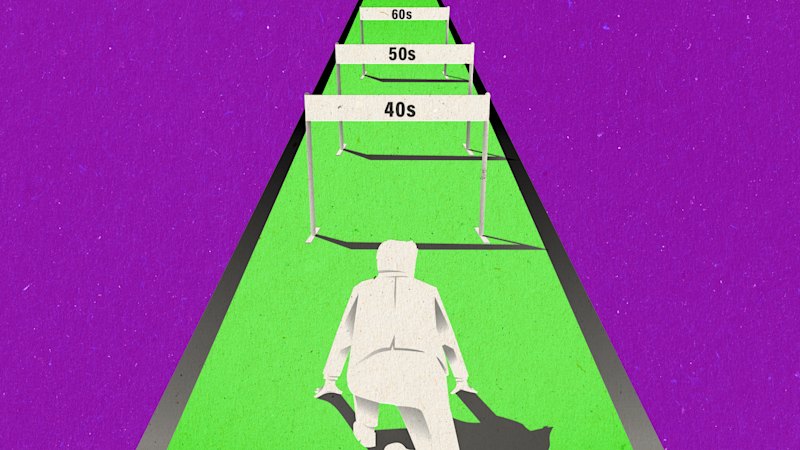
“The important thing is to recognize in midlife that this could be a decisive moment that does have repercussions further down the path.”
Ultimately, while life is unpredictable, taking control of modifiable risk factors can significantly enhance our quality of life and longevity.