



January 25, 2026 — 4:14pm
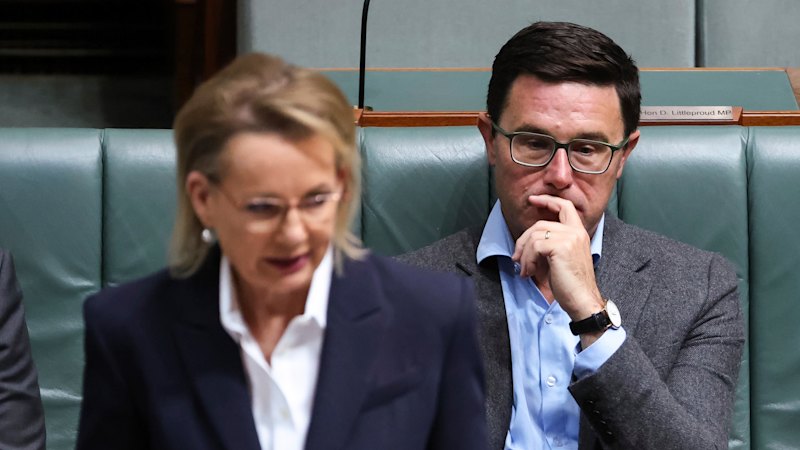
In a bold move that has further intensified the political drama within Australia’s conservative circles, Nationals leader David Littleproud has openly challenged the Liberal Party to reunite the Coalition by reinstating three rebel senators to their shadow ministry positions. This challenge comes amid growing tensions and leadership speculation within the Liberal Party, particularly as supporters of Liberal MP Andrew Hastie explore the possibility of a leadership challenge.
The controversy stems from last week’s decision by three Nationals senators to cross the floor and vote against the opposition’s stance on Labor’s hate laws. This act of defiance has fractured the Coalition, with Littleproud maintaining that his party did nothing wrong. “We wanted to keep the Coalition together. We did nothing wrong,” Littleproud stated in a recent interview, dismissing the notion of engaging in what he termed “delusional, petty games.”
Leadership Speculation and Internal Strife
The fallout from the Coalition’s split has not only strained relations between the Nationals and the Liberals but has also sparked a flurry of leadership speculation. Supporters of Andrew Hastie have been actively seeking backing for a leadership challenge, although they have encountered resistance due to Angus Taylor’s similar aspirations. Many Liberal MPs are wary of moving against the current opposition leader, Sussan Ley, fearing it might be perceived as rewarding Littleproud and the Nationals for their actions.
Meanwhile, Pauline Hanson, leader of the right-wing One Nation party, has capitalized on the turmoil. She has ruled out forming any alliance with the Nationals, now a crossbench party, citing their internal discord. “I’m not going to take on another party with factions or infighting,” Hanson stated, emphasizing that her party’s supporters joined One Nation to back her leadership, not to support the Nationals.
Political Implications and Polling Impact
The Coalition’s breakdown has broader implications for conservative politics in Australia, as One Nation experiences a surge in popularity. Recent polling data from the Resolve Political Monitor indicates a shift in voter sentiment, with Labor at 30%, the Coalition at 28%, and One Nation at 18%. Newspoll further highlights One Nation’s growing influence, placing them ahead of the Coalition at 22% to 21%.
According to the latest polls, One Nation’s primary vote has reached 22%, surpassing the Coalition’s 21%.
These figures have heightened concerns within both the Nationals and the Liberals about the potential erosion of their voter base to One Nation. The defection of Barnaby Joyce, a former Nationals MP, to One Nation last year has further bolstered Hanson’s position, complicating the political landscape for the traditional conservative parties.
Reactions from Political Leaders
Prime Minister Anthony Albanese has criticized the Coalition’s shift to the right, suggesting that their alignment with One Nation’s policies risks legitimizing hard-right positions. “You can’t fight One Nation by being a lighter version of them,” Albanese remarked, referencing past strategies by conservative leaders to distance themselves from One Nation.
At the last election, strategic preference deals between the Coalition and One Nation were evident, with Hanson placing the Coalition second on how-to-vote cards in several key seats. This alignment has raised questions about the Coalition’s future direction and its ability to appeal to a broad conservative electorate.
Looking Ahead
The ongoing turmoil within the Coalition presents significant challenges for both the Nationals and the Liberals as they navigate a rapidly changing political landscape. The potential leadership changes and strategic realignments could have lasting impacts on Australia’s political dynamics, particularly as One Nation continues to gain traction among voters.
As the situation unfolds, all eyes will be on the Liberal Party’s response to Littleproud’s challenge and the potential leadership shifts that may arise. The coming weeks are likely to be pivotal in determining the future of conservative politics in Australia.