




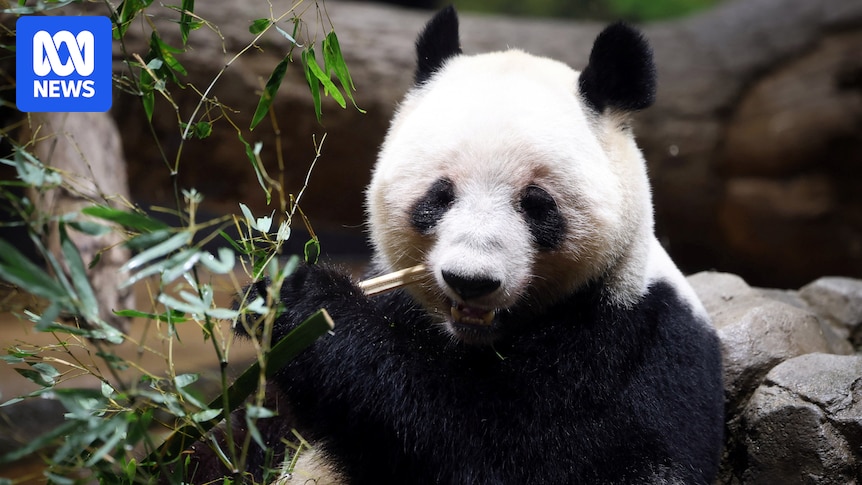
Japan has bid farewell to its last two Chinese pandas, marking a symbolic end to a longstanding tradition of panda diplomacy as tensions between Tokyo and Beijing escalate. The departure of the pandas, Xiao Xiao and Lei Lei, this week underscores a significant diplomatic rift that has emerged between the two nations, leaving Japan without the beloved animals for the first time since 1972 when diplomatic relations were first established.
The fluffy black and white bears have long served as more than just a tourist attraction. They are considered diplomatic gifts, traditionally loaned to foreign countries to foster stronger bilateral relations. However, the removal of these pandas reflects a deeper crisis in North-East Asian politics, one that currently shows no signs of resolution.
Japan and Beijing’s Deteriorating Relations
The current breakdown in relations can be traced back to late 2025, when Japan’s newly appointed Prime Minister, Sanae Takaichi, suggested that a Chinese invasion of Taiwan could provoke a military response from Japan. This statement crossed a “red line” for Beijing, which views any external interference in Taiwan as a breach of its sovereignty. China considers Taiwan a part of its territory and has consistently pressured other nations to avoid involvement in this issue.
In retaliation, China employed economic measures against Japan, starting with the reduction of flights and issuing travel warnings to its citizens. It then banned Japanese products, including seafood, citing health and safety concerns. Further measures included export controls on “dual-use items,” which are goods and technologies that can serve both civilian and military purposes, such as rare earth elements essential for manufacturing drones and computer chips.
Japan Says Goodbye to Its Pandas
The emotional farewell for the twin cubs, Xiao Xiao and Lei Lei, was part of a pre-existing plan, yet Beijing has not agreed to any new contracts for pandas to be housed in Japan. Throughout this diplomatic spiral, China has demanded an apology from Prime Minister Takaichi, which she has steadfastly refused to provide. Her tougher stance on Beijing has seemingly bolstered her popularity in Japan, prompting her to call a snap election next month in hopes of capitalizing on this support.
“The departure of the pandas is more than a symbolic gesture; it reflects the growing diplomatic tensions that could have far-reaching consequences,” said a senior analyst at the Asia-Pacific Institute.
Crisis with Beijing Could Have Long-Term Impact
Amidst the ongoing tensions, Japan has been recalibrating its military strategy, announcing a significant increase in defense spending and shifting from purely defensive weapons to acquiring counterstrike capabilities, including long-range missiles. These moves have further unsettled China, adding to the already strained relations.
While diplomatic spats between China and Japan are not uncommon, this particular fracture appears to be deepening with each passing week. On Monday, China’s Foreign Affairs Ministry reiterated its warning that Chinese citizens might not be safe in Japan. Analysts warn that if both nations continue to escalate their approaches, the diplomatic tension could potentially lead to military conflict.
“Both countries seem more determined than ever to project strength, yet this unwavering stance only widens the rift,” observed a foreign policy expert.
As Japan and China navigate these turbulent waters, the absence of pandas may seem trivial to some, but it serves as a potent symbol of the broader geopolitical challenges facing the region. The world watches closely, hoping for diplomatic resolutions that could restore balance and peace in North-East Asia.