



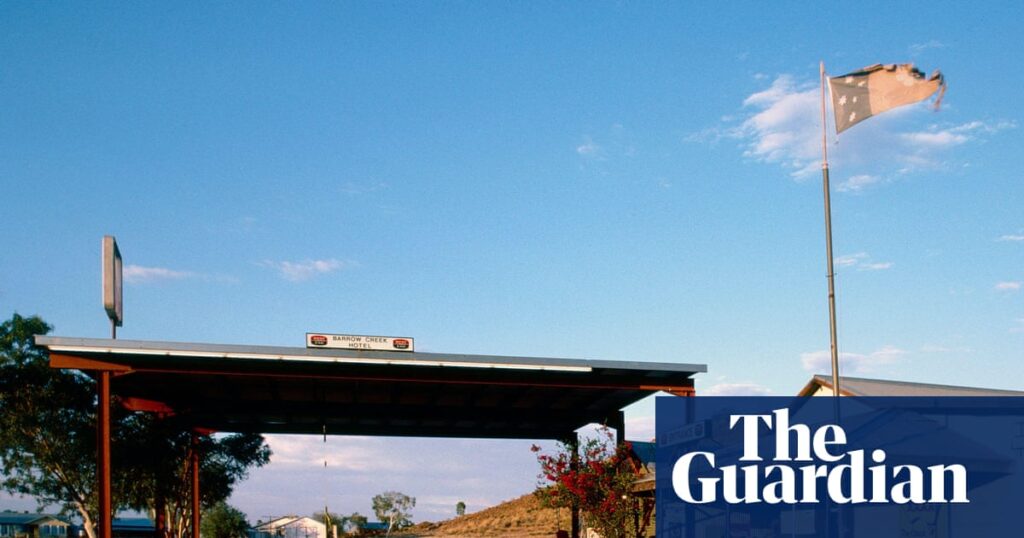
In a scene reminiscent of Slim Dusty’s lament about a “pub with no beer,” the Barrow Creek Hotel, a storied outback establishment in Australia’s Northern Territory, has been stripped of its liquor license. This decision, effective from January 1, 2026, leaves a 200-kilometer stretch of highway and several remote Aboriginal towns without a local watering hole.
The Barrow Creek Hotel, located 283 kilometers north of Alice Springs, is not only a relic of Australian history but also the last known location where British backpacker Peter Falconio was seen alive before his tragic murder in 2001. Despite its grim association, violence was not a factor in the decision to suspend the hotel’s liquor license.
Reasons Behind the License Suspension
The Northern Territory Liquor Commission’s decision followed a hearing that examined ten complaints against Les Pilton, the hotel’s publican of 37 years. The allegations included discriminatory practices, such as serving Indigenous customers through a hatchway while they remained outside, and using government-issued income management cards to prevent welfare spending on alcohol.
Other complaints highlighted the hotel’s inadequate facilities, including broken windows in female toilets, exposed wiring, and a lack of basic amenities like meals and drinking water. The commission also noted Pilton’s failure to maintain a functioning computer or respond to emails, raising questions about his ability to manage the premises effectively.
The Commission’s Deliberations
Russell Goldflam, the commission’s chair, acknowledged Pilton’s long-standing relationship with local drinkers, which reportedly helped moderate excessive alcohol consumption. However, the key issue was whether Pilton was a “fit and proper person” to hold the liquor license at the heritage-listed pub.
“Being an authentic old-style Territory outback character who eschews bureaucracy and communications technology might make Mr. Pilton unfit to be a modern metropolitan licensee, but arguably does not make him unfit to run an authentic old-style Territory outback pub.” – Russell Goldflam
The Role of Barrow Creek Hotel in the Community
Despite the suspension, Pilton’s role extends beyond that of a publican. In the absence of a local community or government-provided utilities, he is responsible for maintaining power, water, and sewage disposal at Barrow Creek. The hotel taps into non-potable bore water, and Pilton procures drinkable water from Alice Springs, 283 kilometers away.
While the commission found Pilton’s evidence during the hearing “evasive” and “inconsistent,” it recognized his decades-long experience in running the remote inn. However, it ultimately upheld eight of the ten complaints, deeming him unfit to hold the license without demonstrating a better understanding of his responsibilities.
Conditions for Reinstatement
To regain his license, Pilton must undertake several improvements, including expanding the licensed area to include an outdoor shaded space, upgrading the toilets and kitchen, and hiring a certified cook. Additionally, he must establish a reliable communication system, including a single email address and functioning devices to ensure prompt responses to official correspondence.
“When that’s all completed, I’ll reopen.” – Les Pilton
Implications and Future Prospects
The loss of the liquor license at Barrow Creek Hotel is a significant blow to the local community and travelers along the Stuart Highway. The hotel’s closure underscores the challenges faced by remote establishments in maintaining compliance with modern regulatory standards while preserving their unique cultural heritage.
As Pilton works to meet the commission’s requirements, the future of the Barrow Creek Hotel remains uncertain. The situation highlights the delicate balance between preserving traditional outback culture and adhering to contemporary expectations of service and management.
For now, the outback’s “pub with no beer” stands as a testament to the evolving landscape of hospitality in Australia’s most remote regions.