


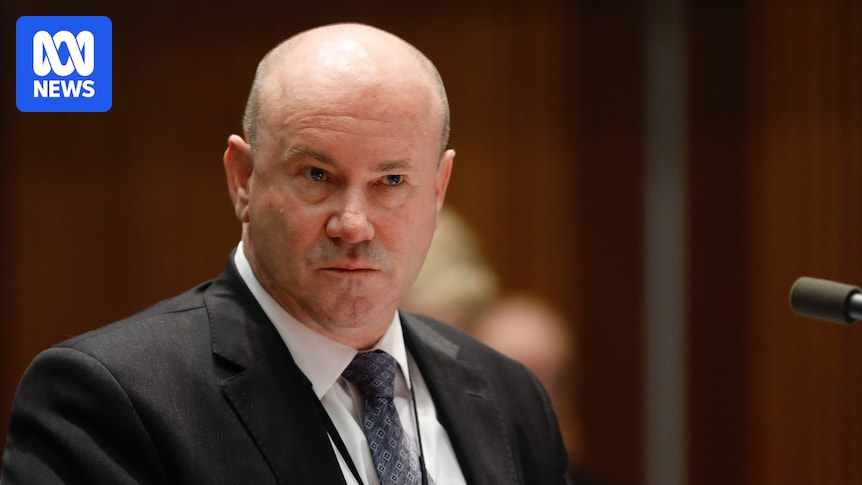
Defence department chief Greg Moriarty has been appointed as the next Australian ambassador to the United States, replacing the outgoing ambassador, Kevin Rudd. Prime Minister Anthony Albanese announced the decision during an appearance on ABC’s Insiders, highlighting Moriarty’s extensive experience and diplomatic acumen.
Moriarty, who has served as the Defence Secretary for nearly a decade, brings a wealth of experience to the role. His career includes serving as chief of staff to former Prime Minister Malcolm Turnbull, as well as holding senior positions in counter-terrorism. He has also been the ambassador to Indonesia and Iran, showcasing his extensive diplomatic credentials.
Historical Context and Diplomatic Background
Notably, Moriarty is the first non-political appointee to this significant diplomatic post since Dennis Richardson’s tenure ended in 2010. Since then, the position has been occupied by prominent political figures, including former Labor leader Kim Beazley, former Liberal treasurer Joe Hockey, former Liberal minister Arthur Sinodinos, and most recently, former Labor Prime Minister Kevin Rudd.
The appointment of a career diplomat like Moriarty marks a shift in strategy, emphasizing professional diplomatic expertise over political connections. This move is seen as a response to the increasingly complex and nuanced nature of international relations in the current geopolitical climate.
Current Diplomatic Challenges
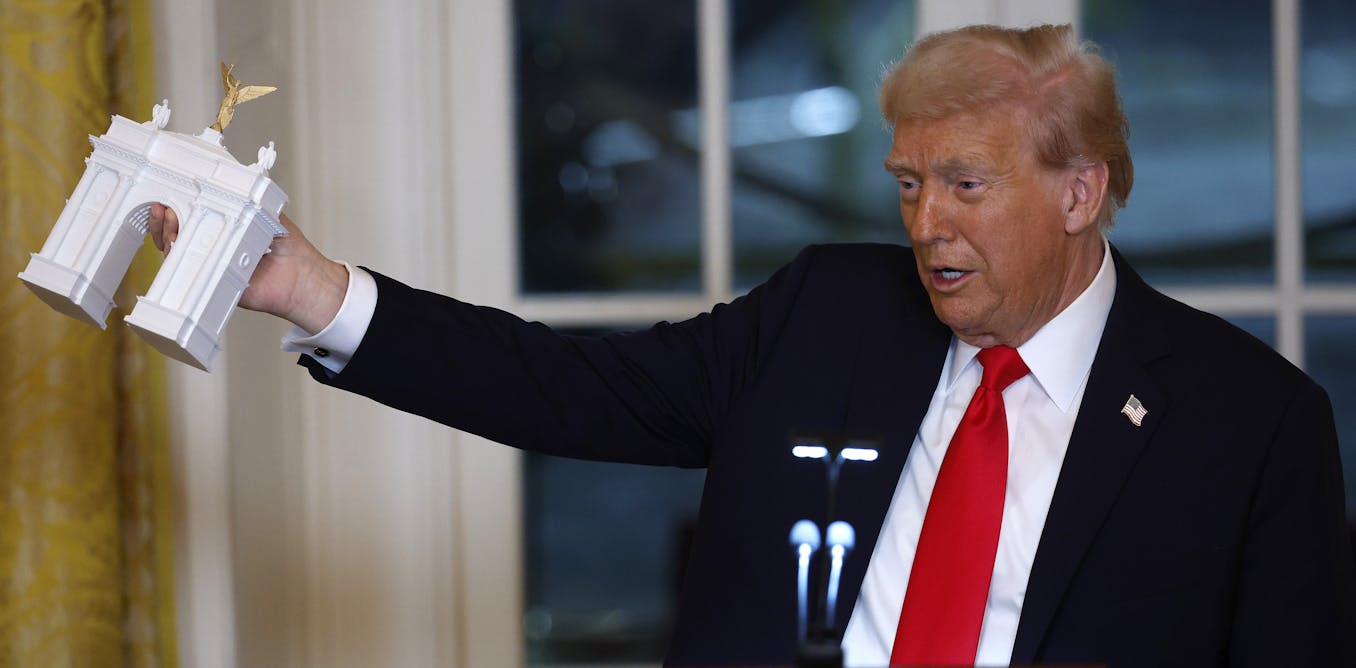
Moriarty’s appointment comes at a time when U.S. relations with its Western allies are under strain. Tensions have been exacerbated by President Donald Trump’s controversial demands for Greenland to be ceded to the U.S. and his administration’s ongoing tariff disputes. Additionally, Trump’s comments about NATO allies’ roles in Afghanistan have sparked diplomatic friction.
The Prime Minister addressed these tensions, stating, “I note that President Trump has made a new statement overnight in which he’s acknowledged the contribution.” Albanese emphasized the importance of respecting the sacrifices made by allied troops, including the 40,000 Australians who served in Afghanistan.
“Those 47 Australian families [of soldiers who died fighting in Afghanistan] will be hurting by these comments, they deserve our absolute respect, admiration,” Albanese said.
Future Diplomatic Engagements
Looking ahead, Moriarty’s ambassadorship will involve navigating these diplomatic challenges while strengthening Australia’s relationship with the U.S. The Prime Minister also confirmed that Canadian Prime Minister Mark Carney is scheduled to visit Australia in March, underscoring the importance of collaboration among middle powers.
Albanese echoed Carney’s sentiments from the World Economic Forum at Davos, stating, “Middle powers like Australia and Canada must act together because if we’re not at the table, we’re on the menu.” This reflects a strategic approach to international diplomacy, focusing on multilateral cooperation and engagement.
As Kevin Rudd’s ambassadorship concludes on March 31, Moriarty’s appointment signals a new chapter in Australia’s diplomatic efforts in Washington. His extensive experience and professional background are expected to enhance Australia’s influence and strengthen bilateral ties with the United States.