


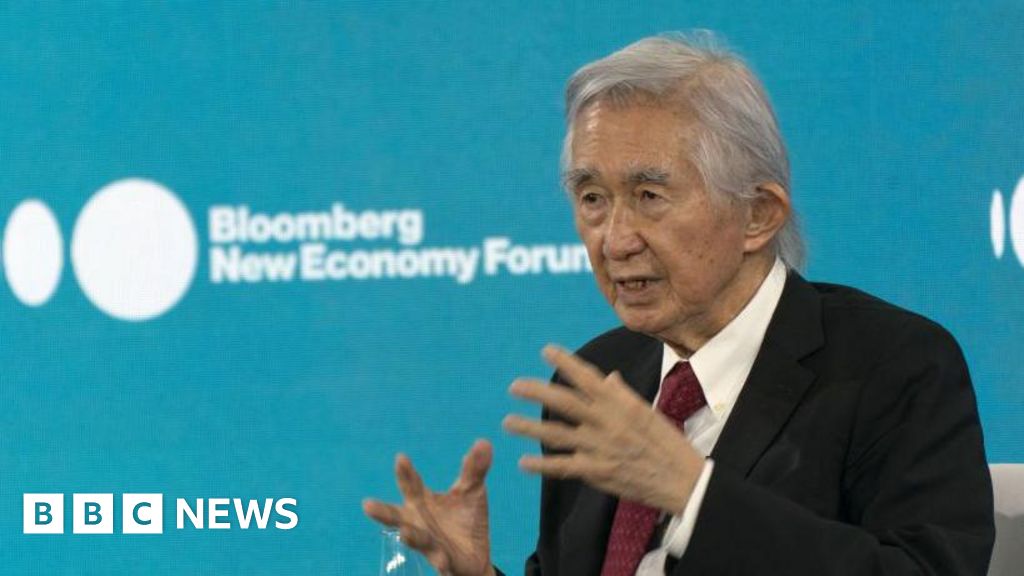
The architect who revolutionized Singapore’s public housing system, Liu Thai Ker, has passed away at the age of 87. Liu, whose designs have provided homes for the majority of Singapore’s 5.9 million residents, succumbed to complications following a fall, as confirmed by local reports quoting his son.
Liu Thai Ker’s influence on Singapore’s urban landscape is undeniable. From the bustling city center to the serene outskirts, his distinctive public housing blocks have become a hallmark of the nation. Tributes have poured in from all corners, with many expressing gratitude for Liu’s monumental contributions. One admirer poignantly remarked that Singapore had “lost a giant,” highlighting that Liu “did not merely build cities, but shaped the very way Singaporeans live, move and belong.”
The Legacy of Singapore’s Public Housing
Singapore’s public housing flats, known locally as “HDBs” after the Housing and Development Board, are not just homes but a significant economic asset. Unlike many global counterparts, these flats are heavily subsidized, allowing citizens to purchase them. Once acquired, they become a 99-year asset, with owners having the option to resell at market rates after a stipulated period.
This unique system, while praised for fostering home ownership, has its critics. Some argue that market-driven aspects can price out certain Singaporeans. Nevertheless, it remains a cornerstone of Singapore’s policy, with leaders advocating it as a means for every citizen to own a piece of their homeland.
A Visionary’s Journey
Born in 1938 in Malaysia, Liu moved to Singapore at the age of six. His academic journey took him to Australia for architectural studies, followed by a master’s degree in city planning at Yale University. Liu’s professional path included a stint with the renowned architect I M Pei in New York before he returned to Singapore in 1969.
As chief architect of Singapore’s HDB, Liu played a pivotal role during a transformative era. At a time when many Singaporeans lived in overcrowded slums, Liu oversaw the development of 20 new towns and approximately half a million housing units. His tenure marked a significant shift towards a government-led public housing initiative.
Later, Liu became the chief executive and planner of the Urban Redevelopment Authority, dedicating 24 years to public service before transitioning to the private sector.
Tributes from Leaders and Citizens
Singapore’s Prime Minister Lawrence Wong honored Liu’s legacy in a heartfelt Facebook post, stating that the “buildings, homes, and public spaces that Singaporeans use every day stand as a quiet testament to his dedication and vision.” Similarly, President Tharman Shanmugaratnam expressed gratitude, acknowledging Liu’s role in making Singapore a “liveable city in the tropics.”
Among the many tributes, a notable one came from Chung Cheng High School (Yishun), Liu’s alma mater, which celebrated his journey from student to visionary urban planner. “Widely known as the architect of modern Singapore, Dr. Liu’s journey from a student at our school to a visionary urban planner remains a source of immense pride,” the school noted.
“He didn’t just build buildings, he built a nation,” one Singaporean remarked, encapsulating the profound impact Liu had on the country.
Reflecting on Liu’s Impact
Local media have also paid homage to Liu, with many crediting him as the “father of urban planning” in Singapore. His work transformed Singapore’s skyline and set a precedent for urban development in tropical regions. The announcement of his passing has prompted a reflection on the enduring legacy of his work and its implications for future urban planning.
As Singapore continues to evolve, Liu Thai Ker’s vision remains embedded in its foundations. His pioneering efforts in public housing not only provided shelter but also fostered a sense of community and belonging among Singaporeans. The nation mourns the loss of a visionary whose contributions will be felt for generations to come.