

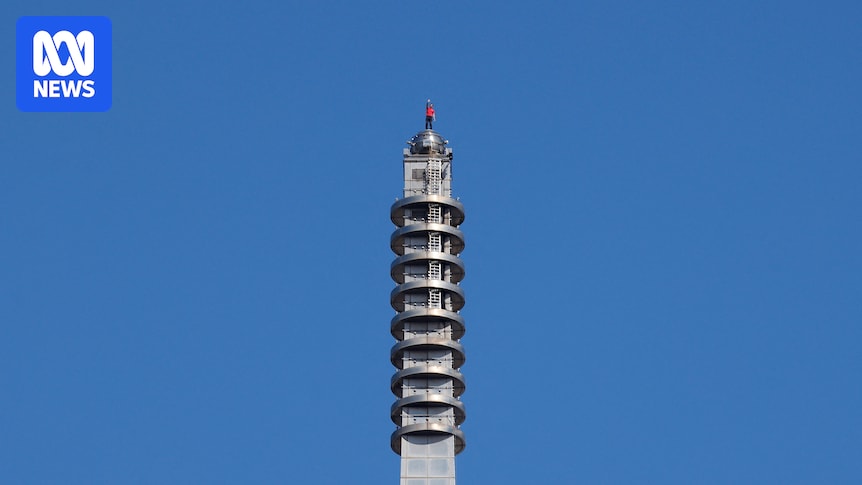
American rock climber Alex Honnold has once again defied gravity and expectations by becoming the first person to scale the Taipei 101 skyscraper without the aid of ropes or protective equipment. The daring ascent, completed in approximately 90 minutes, captivated a global audience and sparked a debate over the ethics of such high-risk endeavors.
Cheers erupted from the crowd gathered at street level as Honnold reached the pinnacle of the 508-meter tower on Sunday. The climber, clad in a red short-sleeved shirt, celebrated by waving his arms triumphantly over his head, a gesture that was broadcast live on Netflix with a slight delay to ensure safety protocols.
Scaling New Heights: The Ascent
Honnold, renowned for his ropeless ascent of Yosemite National Park’s El Capitan, tackled Taipei 101 by navigating one of its corners. Utilizing small L-shaped outcroppings as footholds, he skillfully maneuvered around large ornamental structures protruding from the tower, relying solely on his hands for support.
The skyscraper, consisting of 101 floors, presented its own unique challenges. The most arduous section was the middle portion, known as the “bamboo boxes,” which defines the building’s iconic silhouette. This segment comprises eight sections, each with eight floors of steep, overhanging climbs followed by balconies where Honnold paused briefly to rest.
Broadcast and Ethical Concerns
The event, originally scheduled for Saturday, was postponed by a day due to inclement weather. Despite the delay, the live broadcast drew significant attention and sparked a conversation about the ethical implications of showcasing such a perilous feat on a global platform.
“The climb drew both excitement and concern over the ethical implications of attempting such a high-risk endeavor on a live broadcast.”
While Honnold is not the first climber to ascend Taipei 101, he is the first to do so without any safety equipment. French climber Alain Robert famously scaled the building on Christmas Day in 2004 during its grand opening when it was the tallest building in the world.
Historical Context and Expert Opinions
Honnold’s latest achievement adds to his storied career as a free solo climber, a discipline that involves climbing without ropes or safety gear. His 2017 ascent of El Capitan, which was documented in the Oscar-winning film “Free Solo,” set a new standard for what is possible in the climbing world.
Experts in the field of climbing and ethics have weighed in on the implications of Honnold’s latest climb. Some argue that such feats push the boundaries of human capability and inspire others to pursue their passions. However, others caution that the risks involved could lead to tragic outcomes, especially when broadcast live.
“The move represents a significant milestone in the world of climbing, but it also raises questions about the responsibilities of broadcasters and athletes in promoting high-risk activities.”
The Future of Free Solo Climbing
As Honnold continues to push the limits of what is possible in climbing, the debate over the ethics and safety of free soloing is likely to persist. The climber himself has often spoken about the meticulous preparation and mental fortitude required to undertake such challenges, emphasizing that his pursuits are carefully calculated rather than reckless.
The successful ascent of Taipei 101 not only solidifies Honnold’s status as a leading figure in the world of climbing but also highlights the growing intersection of extreme sports and media. As audiences continue to seek thrilling content, the responsibilities of those involved in broadcasting such events will remain a topic of discussion.
For now, Alex Honnold’s latest achievement stands as a testament to human perseverance and the relentless pursuit of new frontiers.