



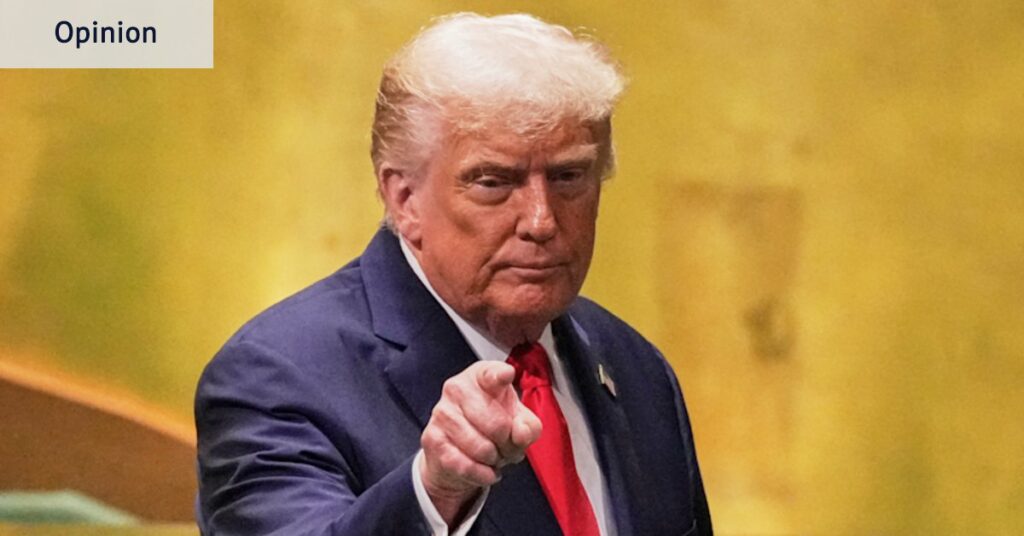
On the first day of his presidency, Donald Trump made a decisive move by withdrawing the United States from the Trans-Pacific Partnership (TPP), a 12-nation trade deal. This decision, while not unexpected, marked a significant shift in U.S. trade policy, reflecting Trump’s broader skepticism towards multilateral agreements. Fast forward to today, this skepticism manifests in his latest initiative: the “Board of Peace,” a body ostensibly aimed at overseeing the reconstruction of Gaza but perceived by many as a vehicle for U.S. dominance.
The initiative, which includes a complex web of international figures, is spearheaded by a “founding executive board” featuring prominent U.S. figures like Secretary of State Marco Rubio and Jared Kushner, alongside international personalities such as Tony Blair. However, critics argue that this structure masks a unilateral approach under the guise of multilateralism.
Historical Context of U.S. Unilateralism
Trump’s approach to international relations has often been characterized by a preference for bilateral deals over multilateral frameworks. This philosophy was evident when he pulled out of the TPP, a move that was criticized by many but also seen as a continuation of a longstanding U.S. tendency to prioritize national interests over global cooperation.
According to experts, this pattern is not new. The U.S. has historically operated within a “rules-based order” that it has both shaped and circumvented when convenient. The current administration’s actions, including the controversial abduction of Venezuelan leader Nicolas Maduro and threats to annex Greenland, echo past U.S. interventions under different guises.
The “Board of Peace”: A New Frontier
The “Board of Peace” initiative has been met with skepticism from various quarters. Prime Minister Anthony Albanese of Australia, invited to join the board, faces a dilemma between aligning with the U.S.-led initiative or supporting a more traditional international order. The board’s composition, which includes Turkish and Qatari officials alongside Israeli businessman Yakir Gabay, suggests a veneer of international cooperation.
However, the underlying structure, critics argue, is akin to a series of shell companies designed to project American influence. The initiative’s focus on economic opportunities, such as Gaza’s real estate potential, often overshadows the pressing issues of justice and sovereignty for Palestinians.
“The choice facing Albanese and other world leaders is between this architecture and a mercantilist ‘mafia world order’ in which the U.S. plays landlord and arbiter.”
Global Reactions and Implications
International reactions to Trump’s initiative have been mixed. European allies like Britain, France, and Germany have been cautious in their responses, wary of jeopardizing their strategic alliances with the U.S., especially amid tensions with Russia over Ukraine. Meanwhile, political and business leaders worldwide, from Apple’s Tim Cook to FIFA’s Gianni Infantino, have attempted to navigate this new landscape by engaging with the U.S. administration.
For the Palestinians, the stakes are particularly high. The recognition of their statehood by leaders like Albanese stands in stark contrast to the U.S.’s transactional approach. The potential for economic development in Gaza, while appealing, cannot replace the need for addressing long-standing grievances and rights violations.
Looking Ahead: A Test of Global Leadership
The “Board of Peace” represents a critical juncture for global leaders. As protests and political maneuvers continue, the question remains whether leaders like Albanese will challenge the U.S.’s approach or acquiesce to its strategic interests. This decision will not only impact the future of Gaza but also set a precedent for how international relations are conducted in the Trump era.
The unfolding situation serves as a litmus test for the resilience of multilateralism in the face of unilateral power plays. As the world watches, the actions of these leaders will shape the geopolitical landscape for years to come.