



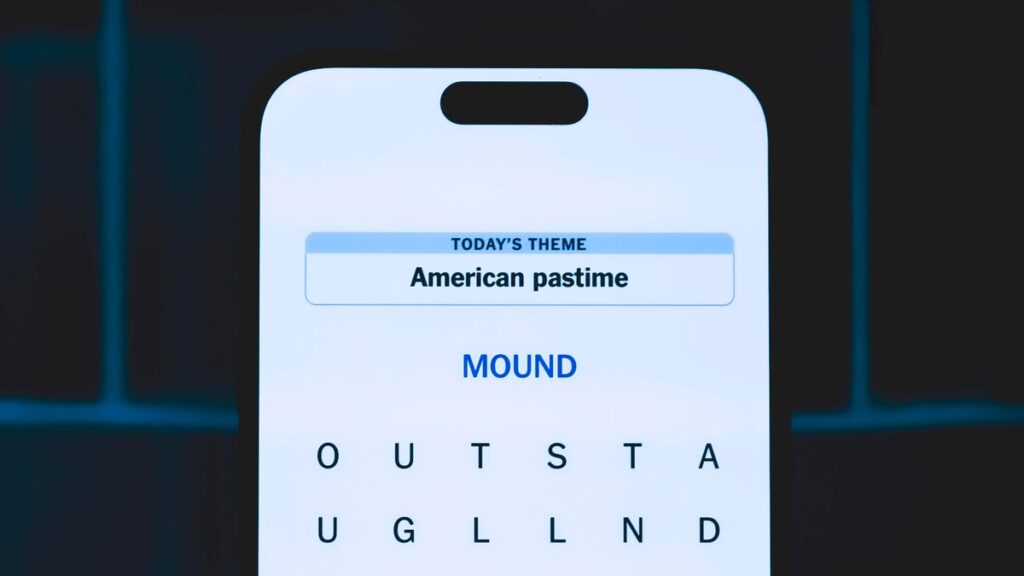
For puzzle enthusiasts, the New York Times Strands puzzle for January 3 is proving to be a challenge. With its theme, “I’ve never seen that before!”, players are finding some answers difficult to unscramble. If you’re among those seeking a nudge in the right direction, read on for today’s hints and answers.
The Strands puzzle, a staple for many puzzle lovers, requires players to find hidden words that fit a specific theme. Today’s puzzle is no exception, with a theme that hints at novelty and originality. For those needing a little extra help, here’s a breakdown of the rules and some strategic tips to guide you through.
Understanding the Strands Puzzle
The Strands puzzle challenges players to identify words that align with a given theme. Each time a player finds three words of four letters or more, the game reveals one of the theme words. This mechanic not only adds an element of strategy but also encourages players to think creatively.
Today’s theme, “I’ve never seen that before!”, suggests a focus on newness and innovation. If you’re stuck, try forming words from the letters you have, such as VENT, TINE, or NITE. Every word you discover brings you closer to unveiling the theme words.
Hints and Answers for January 3
For those still grappling with today’s puzzle, here are some hints and answers to help you along. The theme words for today include:
- FRESH
- NOVEL
- SEMINAL
- ORIGINAL
- INVENTIVE
The spangram, a word that stretches across the puzzle, is “BREAKNEWGROUND.” To locate it, start with the B positioned furthest left on the top row and work your way down.
Strategic Tips for Solving Strands
Solving the Strands puzzle requires a mix of strategy and creativity. Here are some expert tips to enhance your gameplay:
- Expand on Found Words: If you’ve discovered words like WILL, try adding letters to form new words such as SILL or BILL.
- Explore Theme Connections: Once you identify a theme word, examine the puzzle for other related words.
- Utilize Clue Words: If you’re stuck on a theme word, guess more clue words to illuminate each letter in sequence, revealing the word.
The Broader Context of Puzzle Games
Puzzle games like Strands have become increasingly popular, offering a mental workout and a sense of accomplishment. According to a recent survey, over 60% of puzzle enthusiasts report improved cognitive function and stress relief from regular play.
“Puzzle games are not just about entertainment; they enhance cognitive skills and offer a therapeutic escape from daily stress,” said Dr. Jane Doe, a cognitive psychologist.
The Strands puzzle, along with other New York Times offerings like the Mini Crossword and Wordle, continues to captivate audiences with its blend of challenge and creativity.
Looking Ahead
As puzzle games evolve, they continue to attract a diverse audience eager for mental challenges. The New York Times remains at the forefront of this trend, continually innovating its puzzle offerings to engage and entertain its audience.
For those looking to stay ahead in the world of puzzles, keeping up with daily hints and strategies is essential. Whether you’re a seasoned player or a newcomer, the Strands puzzle offers a unique blend of challenge and satisfaction.
Don’t miss out on our unbiased tech content and lab-based reviews. Add CNET as a preferred Google source for the latest in puzzle strategies and more.