




On December 10, 2025, Australia became the first country to implement a nationwide ban preventing children under 16 from creating or maintaining accounts on certain social media platforms. This landmark decision by the Albanese government aimed to protect young users from online risks. However, the effectiveness of the ban remains a topic of debate as both successes and challenges emerge.
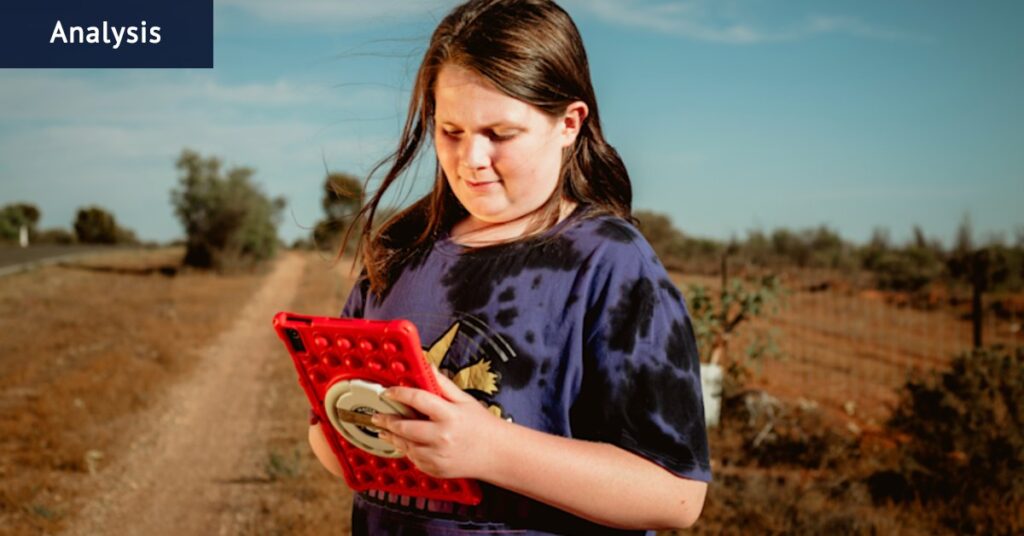
Wyatt Thompson, an 11-year-old from Broken Hill, was one of the many young Australians affected by this ban. His YouTube account was among the 4.7 million accounts deactivated by eight major tech companies. Yet, Wyatt’s screen time has not diminished. “It hasn’t helped me stop using my electronics,” Wyatt shared. “I just go on to Netflix or listen to stuff on Spotify now.”
According to the government, the ban targeted platforms such as Facebook, Instagram, YouTube, Snapchat, and TikTok. Despite initial efforts, the enforcement of the ban has faced challenges. The eSafety Commissioner, Julie Inman Grant, acknowledged that the rollout of age-assurance measures was expected to be complex, with technology teething issues anticipated.
Initial Impact and Compliance
The government estimates that 95% of teens under 16 and 84% of children aged eight to 12 had social media accounts in late 2024. This widespread usage underscores the scale of the challenge. Meta reported that 544,052 accounts on Facebook, Instagram, and Threads were shut down in the first week of the ban. However, eSafety has yet to release a comprehensive breakdown of figures.
“Change doesn’t happen overnight. But these early signs show it’s important we’ve acted to make this change,” said Prime Minister Anthony Albanese.
The eSafety Commissioner has emphasized that enforcement will focus on systemic failures after thorough investigations. Meanwhile, isolated cases of “teenage creativity” in circumventing the ban are expected to persist.
Voices from the Ground
Fifteen-year-old Bella from regional Victoria had preemptively signed up for various platforms using a fake age. Despite the ban, she was never removed. “I was just going to wait and see what happened,” she admitted, expressing concern that her accounts might still be deactivated.
Similarly, Elliott, a 14-year-old from Sydney, was removed from Snapchat but noted that many of his friends were not asked to verify their age. “It’s harder to make plans to go out with other friends that you don’t have their numbers,” he said. Yet, he found himself spending more time outdoors, engaging in activities like fishing.
The Broader Implications
The ban has prompted a shift in how young Australians communicate. Michelle Stamper, a mother from Melbourne, observed a “flurry of activity” as teens began exchanging phone numbers. However, many still managed to bypass Snapchat’s facial age estimation scans, highlighting the limitations of current age-assurance technologies.
“We’ve said from the beginning that we weren’t expecting perfection straight away – but early figures are showing this law is making a real, meaningful difference,” stated Communications Minister Anika Wells.
Experts suggest that while the ban represents a significant step towards safeguarding young users, it also underscores the need for improved age-verification technologies. The government and tech companies must collaborate to enhance these systems and ensure compliance.
Looking Ahead
As Australia navigates the complexities of enforcing this pioneering social media ban, the focus remains on refining age-assurance tools and addressing loopholes. The eSafety Commissioner continues to analyze data to assess platform compliance, and further adjustments to the policy may be necessary.
The move represents a bold attempt to reshape digital interactions for young Australians, but its ultimate success will depend on sustained efforts and technological advancements. As the nation watches closely, the lessons learned from this initiative could inform similar policies worldwide.