




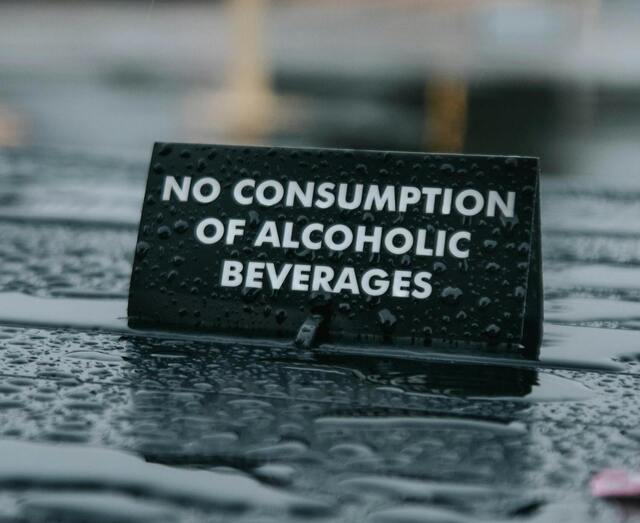
A major study led by La Trobe University has sent a wake-up call to residents across Melbourne’s north and west, revealing that cutting just one litre of alcohol from annual consumption could drastically reduce cancer deaths. The research, which analyzed seven decades of Australian health data, shows a direct link between long-term drinking and several deadly cancers.
Researchers found that alcohol exposure is a causal factor in nearly half of all male liver and upper aerodigestive tract cancer deaths. Women are also at significant risk, with alcohol linked to fourteen percent of female breast cancer deaths and over twenty percent of deaths from cancers of the mouth and throat.
Urgency for Older Populations
Associate Professor Jason Jiang from the Bundoora-based university emphasizes that the findings are particularly urgent for older residents. As the local population ages, and with older cohorts typically drinking more than younger generations, cancer deaths could climb without immediate changes to habits and government policy.
The announcement comes as health experts urge locals to adhere to national guidelines of no more than ten standard drinks a week and no more than four on any single day. While the World Health Organization warns that no amount of alcohol is truly safe when it comes to cancer risk, following these limits can significantly lower one’s danger.
Impact of Small Changes
The good news is that small changes can make a significant difference. Reducing annual consumption by one litre per person could drop male liver cancer deaths by nearly four percent and female breast cancer deaths by over two percent.
“Reducing annual consumption by one litre per person could drop male liver cancer deaths by nearly four percent and female breast cancer deaths by over two percent.”
Lead researchers are now calling for stronger preventive measures, including clearer warning labels and closing tax loopholes to help protect the community from these preventable deaths. The move represents a proactive step towards reducing the health burden associated with alcohol-related cancers.
Historical Context and Expert Opinions
This development follows a long history of research linking alcohol consumption to various health risks. Historically, public health campaigns have focused on reducing smoking and promoting healthier lifestyles, but alcohol has often been overlooked despite its significant impact.
According to Dr. Emily Carter, a public health expert, “The evidence has been mounting for years, but this study provides a clear and compelling case for immediate action. We need to treat alcohol with the same caution as tobacco.”
Meanwhile, comparisons with other countries show that nations with stricter alcohol regulations tend to have lower rates of alcohol-related cancers. For instance, Scandinavian countries, known for their stringent alcohol policies, report fewer cases of such cancers compared to countries with more lenient laws.
Looking Forward
The implications of this study are far-reaching. As policymakers consider the next steps, the focus will likely be on implementing effective strategies to reduce alcohol consumption across all age groups. Public awareness campaigns, revising taxation policies, and enhancing educational efforts in schools could form part of a comprehensive approach.
As the community grapples with these findings, the call for action is clear. By making informed choices and advocating for stronger regulations, residents can help mitigate the risks associated with alcohol consumption and contribute to a healthier future.
The study’s findings underscore the importance of ongoing research and policy intervention to address the public health challenges posed by alcohol consumption. The next steps will determine how effectively these insights are translated into meaningful change.