




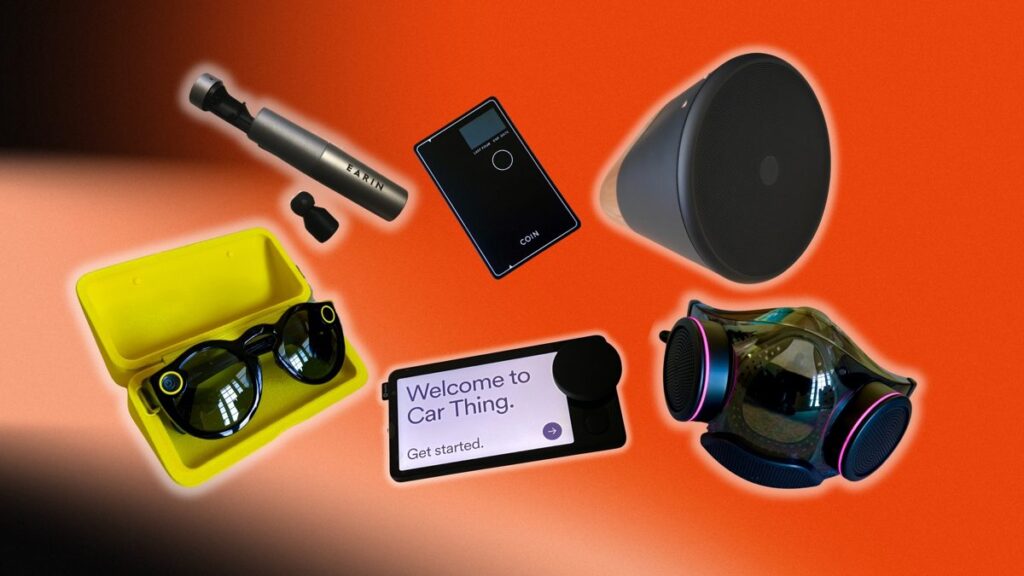
Consumer technology is a fiercely competitive arena. For every success story like Samsung’s Galaxy phones or Apple’s iPads, there are numerous gadgets that fail to make a lasting impact. These products, once heralded as the next big thing, often fade into obscurity as quickly as they appeared. Recently, I took a nostalgic dive into my collection of outdated tech, uncovering several of these forgotten relics. Join me as we explore these once-promising devices and the reasons behind their demise.
The Rise and Fall of the Coin Card
The Coin Card was introduced in late 2013 as a universal card capable of storing multiple credit card details. Its magnetic strip and e-paper display were innovative, allowing users to switch between cards seamlessly. However, the widespread adoption of EMV chip technology rendered it obsolete. Coin’s technology found a new home when Fitbit acquired its wearables payment platform in 2016, but the Coin Card itself fizzled out.
Despite its initial promise, the Coin Card’s downfall highlights the rapid pace of technological evolution and the challenges faced by startups in adapting to industry shifts.
Google Wallet Debit Card: A Precursor to Mobile Payments
Before mobile payments became ubiquitous, Google experimented with a physical debit card linked to its Google Wallet service. Launched as a prepaid card, it allowed users to spend their Google Wallet funds at physical stores. However, the card saw limited use and was discontinued in 2016.
This early attempt at bridging digital and physical payments underscores the growing pains of transitioning to a cashless economy, a journey that would eventually lead to the widespread adoption of mobile payment solutions.
The MoviePass Saga
MoviePass revolutionized the cinema experience with its subscription model, allowing users to watch unlimited movies for a monthly fee. However, its complex ticketing process and unsustainable pricing model led to its downfall. The company eventually shifted to a $10-per-month plan, which proved financially unviable.
MoviePass’s story serves as a cautionary tale of how disruptive business models can falter without a sustainable financial strategy. The service has since relaunched with limited options, but its legacy remains a lesson in balancing innovation with practicality.
Snapchat Spectacles: A Novelty with Potential
Snap’s first-generation Spectacles, released in 2016, offered a unique way to capture first-person video. While the initial novelty attracted attention, subsequent versions aimed at influencers came with a hefty price tag, limiting their appeal.
The evolution of Spectacles reflects the challenges of creating consumer-friendly wearable tech. As Snap continues to develop new iterations, the question remains whether these devices can transition from novelty to necessity.
Razer Zephyr Masks: A Misstep in Pandemic Tech
In response to the COVID-19 pandemic, Razer launched the Zephyr Wearable Air Purifier. Despite its flashy design, the mask faced backlash for misleading N95 certification claims, resulting in a $1 million settlement with the FTC.
This incident highlights the importance of transparency and regulatory compliance in product marketing, especially in health-related tech.
Other Notable Failures
- Detect At-Home COVID Test: Marketed as a PCR-level testing solution, it struggled with usability and competition, leading to a pivot in focus.
- Spotify Car Thing: Aimed at enhancing in-car music streaming, it faced logistical challenges and low demand, ultimately being discontinued.
- Earin M-1 Earbuds: Early wireless earbuds that paved the way for future innovations but were hampered by design and pricing issues.
- Aether Cone Speaker: A single-service speaker that failed to secure broader streaming compatibility, limiting its market appeal.
These gadgets, while innovative in their own right, serve as reminders of the volatile nature of consumer technology. As companies continue to push the boundaries of what’s possible, the lessons learned from these failures will undoubtedly shape the future of tech innovation.