

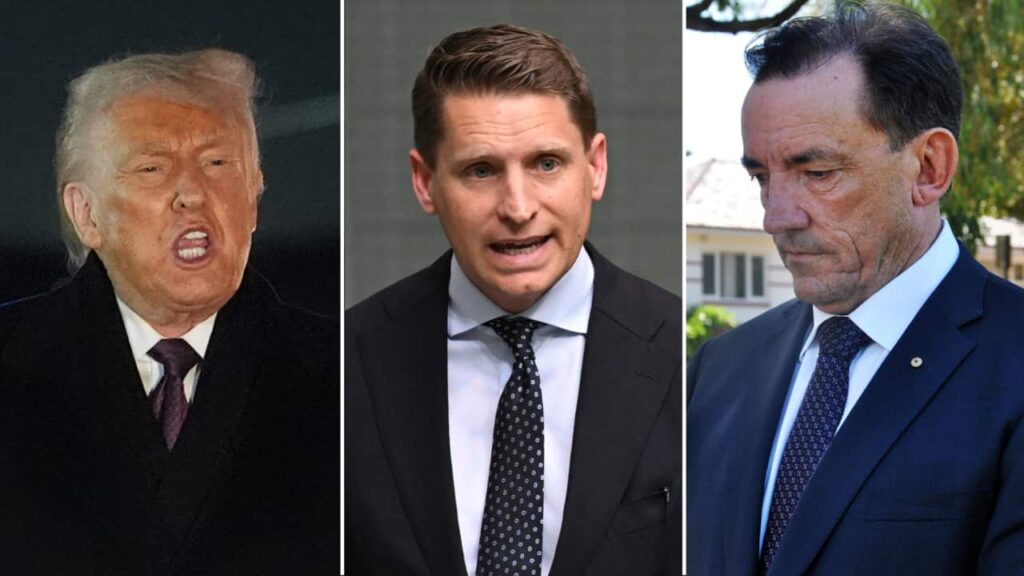
Australia’s Returned and Services League (RSL) and federal politicians have joined international leaders in condemning former United States President Donald Trump’s assertion that allied forces, including Australian troops, stayed “a little off the front lines” during the Afghanistan conflict. This statement has sparked outrage among veterans and political figures alike, who view it as a profound insult to those who served and sacrificed.
Trump made the controversial remarks during an appearance on Fox Business Network, where he expressed doubt about the commitment of NATO allies to defend the United States if threatened. “We have never really asked anything of them,” he claimed, suggesting that while allied nations sent troops to Afghanistan, they did not engage directly in combat.
Veterans and Politicians React
RSL Australia national president Peter Tinley, who has firsthand experience as a deputy commander of Special Forces Task Groups in Afghanistan and Iraq, described Trump’s comments as “factually wrong, historically ignorant, and deeply offensive.” Tinley emphasized the need for a strong response from Australian leaders, urging Prime Minister Anthony Albanese and Opposition Leader Sussan Ley to demand a retraction and apology from Trump.
“Our veterans deserve nothing less than the unequivocal support of their nation’s leaders,” Tinley stated. He highlighted the sacrifices made by the 47 Australian service personnel who died in Afghanistan, as well as the more than 40,000 who served with “extraordinary bravery.”
“The 47 who made the ultimate sacrifice will forever have their names etched on our nation’s most sacred roll of honour,” said Defence Minister Richard Marles.
In a social media post, Marles paid tribute to the courage and dedication of Australian troops, reinforcing the nation’s pride in their service.
Political Backlash and Calls for Apology
The response from Australian politicians has been swift and critical. Liberal MP Andrew Hastie, a former ADF member who served in Afghanistan, condemned Trump’s remarks as a “massive slur” against allied troops. “One of the most important things in building coalitions and alliances is mutual respect,” Hastie stated, criticizing Trump’s lack of restraint.
Tasmanian independent senator Jacqui Lambie, who served in the ADF for 11 years, echoed these sentiments, calling Trump’s comments “utterly shameful.” She urged for an immediate apology, referencing the significant contributions and sacrifices made by Australian forces in response to the 9/11 attacks.
“Forty Thousand Aussies served in Afghanistan, 41 were killed and hundreds suffered injuries both inside and out… They didn’t ‘stay back off the front lines,'” Lambie emphasized.
International Condemnation
Trump’s comments have not only angered Australian leaders but have also drawn criticism from European counterparts. British Prime Minister Keir Starmer labeled the remarks as “frankly appalling,” acknowledging the hurt caused to the families of those killed or injured.
Prince Harry, who served in Afghanistan, stressed the importance of respecting the sacrifices made by military personnel. “Those sacrifices deserve to be spoken about truthfully and with respect,” he stated.
Stuart Tootle, a retired UK colonel, also demanded an apology from Trump, while acknowledging some validity in the criticism of NATO’s investment levels. However, he deemed Trump’s remarks as “really unfortunate, inaccurate and totally unjustified.”
Historical Context and NATO’s Role
This controversy is not the first instance of Trump questioning the commitment of NATO allies. His remarks come amidst ongoing discussions about NATO’s role and the financial contributions of member countries. The only time NATO’s Article 5, the mutual defense clause, has been invoked was in response to the 9/11 attacks, leading to the deployment of allied forces, including Australians, to Afghanistan.
“When America needed us after 9/11, we were there,” said former Danish platoon commander Martin Tamm Andersen, highlighting the solidarity shown by NATO allies.
Denmark, which suffered the highest per capita death toll among coalition forces, lost 44 soldiers in Afghanistan. This shared sacrifice underscores the deep ties and mutual commitments that define the NATO alliance.
The fallout from Trump’s comments continues to reverberate, with calls for acknowledgment of the sacrifices made by allied forces and a reaffirmation of the values that underpin international alliances. As the debate unfolds, the focus remains on honoring the service and bravery of those who fought on the front lines.