




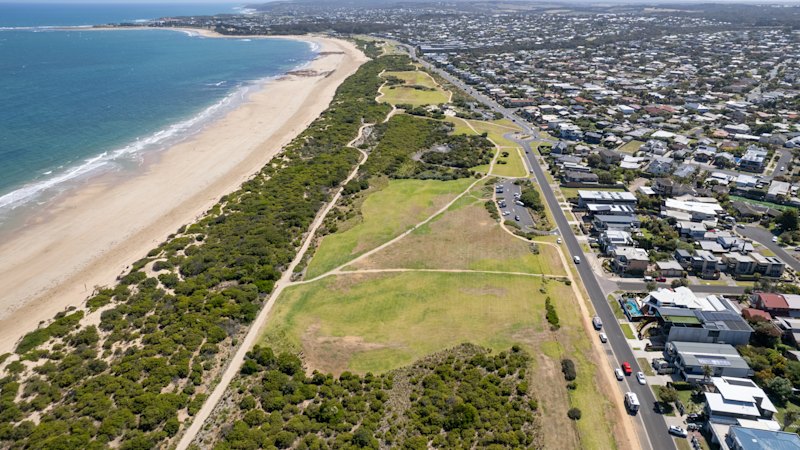
Rents in Victoria’s coastal areas have surged over the past year, driven by a wave of demand from individuals seeking a sea-change lifestyle. This demand has outpaced the supply of new housing in regional rental markets, leading to significant increases in rental prices.
According to Domain’s latest Rent Report for the December quarter, the Colac Otway Shire experienced an 11.1 percent rise in rents, reaching a median of $500 per week. Similarly, Moyne Shire, which encompasses Port Fairy, saw a 10 percent increase to a median of $495, while the Surf Coast recorded a 7.7 percent hike to $700 per week. Other areas such as Warrnambool, Bass Coast, and Glenelg also reported rental hikes over the year.
Overall, rents for houses across regional Victoria increased by 4.2 percent over the past year, with the median reaching $500 per week. Most regional local government areas in the state experienced upward pressure on rental prices.
Driving Factors Behind the Rental Surge
Dr. Joel Bowman, a senior economist at Domain, noted that while rental growth across regional Victoria has decelerated from its pandemic peak, rents are still rising faster than in Melbourne, where house rents fell by 1.7 percent over the past year.
“What we’re seeing is an ongoing shortage of rental properties available [in regional Victoria], so vacancy rates still remain very low,” Bowman said. “That’s placing a lot of upward pressure on rents. It’s just been a lot harder to bring new supply online in some of those regional pockets.”
Bowman highlighted that population and job growth have been robust in these areas, supporting rental demand. He also pointed out the structural demand for regional living, driven by lifestyle appeal and an ageing population.
Challenges in Increasing Supply
While the demand for rentals in these coastal towns remains high, the supply of new housing has been constrained by several factors. Bryan Hayden, director at Hayden Real Estate, emphasized the acute shortage of rental properties along the Surf Coast.
“Rentals along the coast are in short supply, and it’s not getting any better,” Hayden said. “The common price range now is $700 to $900 a week, driven purely through lack of supply.”
Hayden attributed the shortage to rising development costs, planning controls, and regulatory delays. He criticized the 50 percent windfall tax and other development-related taxes and delays, stating that these barriers deter private enterprise from investing in new housing projects.
According to Hayden, demand is coming from both local residents and individuals relocating from Melbourne and Ballarat, with younger residents increasingly priced out of their hometowns.
Broader Implications and Future Outlook
Terry Rawnsley, KPMG’s director of planning and infrastructure economics, explained that rising rents are a reflection of ongoing population growth and worsening affordability in larger regional hubs.
“There’s a ripple effect happening,” Rawnsley said. “In the past, you might have been able to afford to live in Geelong – now, prices are so high there you might be looking to move to Colac.”
Rawnsley highlighted that even small population shifts can significantly impact rent prices in smaller communities. He noted that supply constraints have been building for years, with many regional towns having stagnant populations before COVID-19, leading to a lack of new housing development.
Brooke West, business development manager at Ray White Warrnambool, noted that competition for rentals has intensified sharply, further exacerbating the situation.
Looking Ahead
The current trend in rising rents in Victorian coastal towns underscores the need for strategic planning and policy interventions to address the supply-demand imbalance. As more people are drawn to the lifestyle appeal of these regions, addressing the barriers to housing development will be crucial in stabilizing rental markets.
With ongoing population growth and shifting demographics, the pressure on regional rental markets is unlikely to ease soon. Policymakers and developers will need to collaborate to find sustainable solutions that accommodate the growing demand for coastal living while ensuring affordability and accessibility for all residents.