

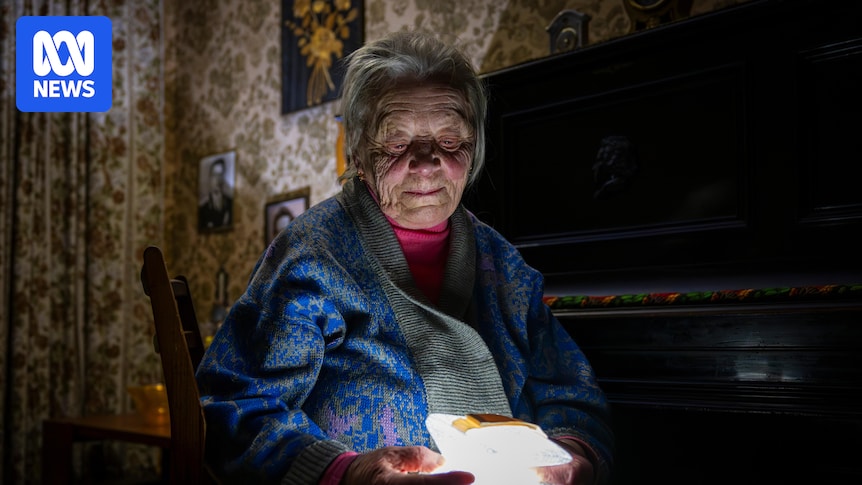
Millions of Ukrainians are enduring freezing temperatures without heating as Moscow continues its relentless assault on the country’s energy infrastructure. Nearly four years after Russia’s full-scale invasion of Ukraine, around 60 percent of Kyiv remains without power. This is part of Vladimir Putin’s strategy to weaken Ukrainian morale through persistent drone and missile attacks.
The situation is exacerbated by stalled peace negotiations between Kyiv and Moscow, leaving Ukrainians to face their fourth winter in wartime conditions. The ongoing energy crisis highlights the urgent need for a resolution.
Understanding Ukraine’s Energy Crisis
Russian drones and missiles have been targeting Ukraine’s energy infrastructure for months, severely damaging power and heating networks. This has led to widespread outages and rolling blackouts, leaving many residents without heating in freezing conditions.
Compounding the crisis, Russia has been accused of using Ukraine’s nuclear facilities as leverage. The Chernobyl nuclear power plant was briefly disconnected from the grid following a Russian attack earlier this week.
In a recent wave of attacks, Russia launched over 330 drones and dozens of missiles, further crippling power generation and distribution infrastructure.
Ukraine’s equipment reserves for repairs are nearly depleted, according to Economy Minister Yuliia Svyrydenko, making recovery efforts increasingly challenging.
The Human Cost of the Crisis
The consequences of the energy crisis are dire, with aid groups warning of hypothermia and frostbite risks, particularly for children. On a recent morning, with Kyiv temperatures at -12°C, over a million residents were left in the dark.
Ukrainian President Volodymyr Zelenskyy highlighted the severity of the situation, stating, “As of this morning, about 4,000 buildings in Kyiv are still without heat, and nearly 60 percent of the capital is without electricity.”
In Kharkiv, more than a million consumers lost power, though authorities managed to restore service to about half by the following day. In Odesa, energy company DTEK reported severe damage to one of its facilities, affecting thousands of households.
Adaptation and Resilience
Across Ukraine, communities are finding ways to cope. Schools are being transformed into humanitarian aid centers, offering charging stations and warmth. Tents are set up for residents to warm themselves and access counseling services.
Despite power restoration efforts, many face rolling blackouts, and the ability to contact emergency services is compromised as mobile networks are also affected. Ukraine’s largest carrier reports that 10 percent of its grid is non-operational.
“It’s emotionally very difficult. There is constant worry,” said a military chaplain whose son contracted pneumonia during a prolonged blackout.
Seeking Solutions and International Support
Ukraine’s government is urging allies to increase pressure on Russia. President Zelenskyy called for more action from the U.S., stating, “Can America do more? It can, and we really want this.”
He also advocated for tougher sanctions on Moscow to curb its military production, noting that some missiles used in recent attacks were produced this year.
President Zelenskyy expressed willingness to attend the World Economic Forum in Davos if Washington is prepared to sign security guarantees for Ukraine and a post-war prosperity plan.
Prospects for Peace
In Davos, discussions between U.S. and Russian envoys were described as “very positive” and “constructive.” However, meaningful progress towards a peace deal remains elusive.
Envoys Jared Kushner and Steve Witkoff plan to meet with President Putin in Moscow, a meeting requested by Russia, which Witkoff sees as a significant gesture.
Despite these diplomatic efforts, the path to an enduring peace agreement remains uncertain, leaving Ukrainians to face another harsh winter amid ongoing conflict.
The situation underscores the urgent need for international intervention and support to alleviate the humanitarian crisis and push towards a peaceful resolution.