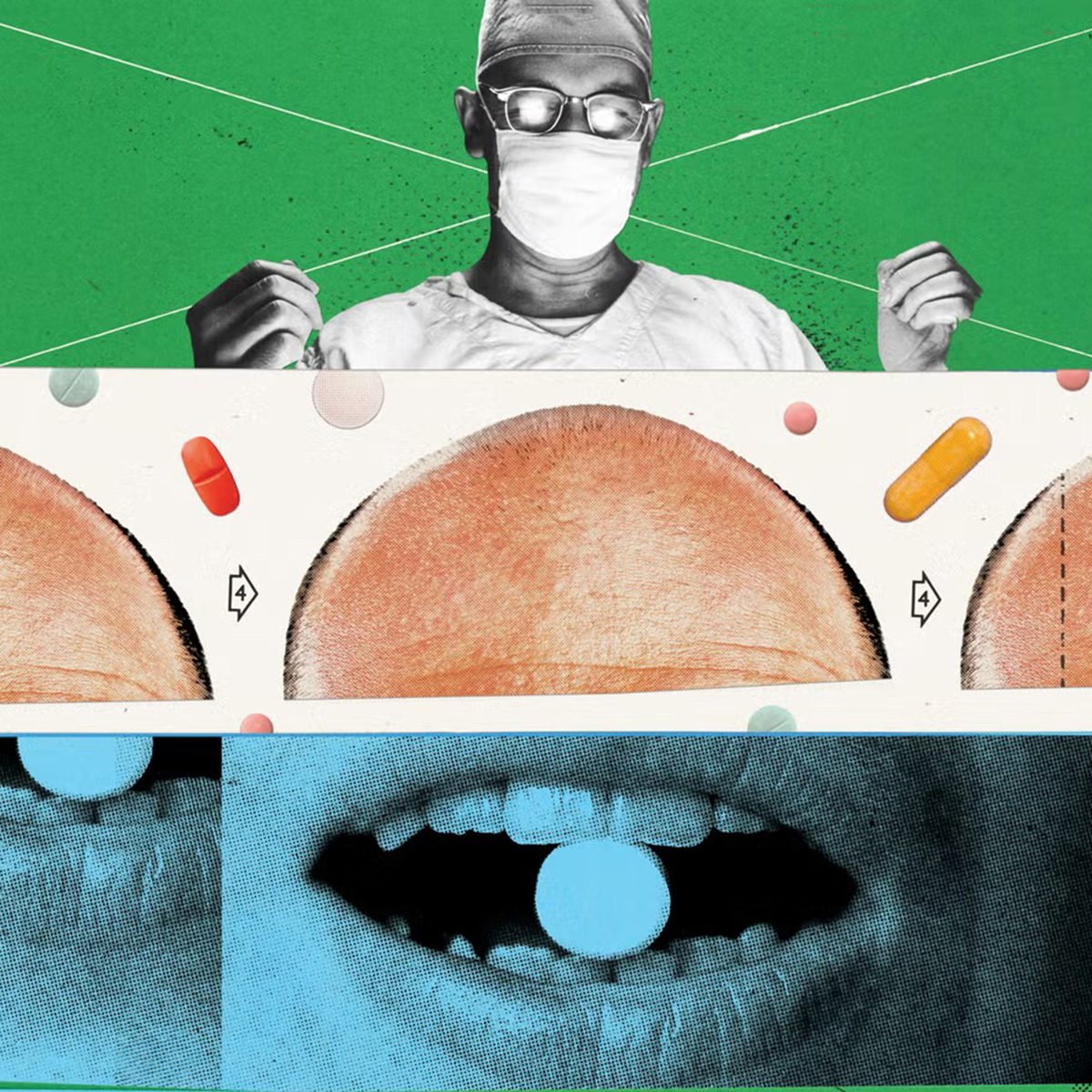





In a recent episode of The Kardashians, Kim Kardashian’s brain scan revealed “holes” that her doctor attributed to “low activity.” This revelation has sparked widespread concern and curiosity. However, experts are questioning the reliability of the technology used and its increasing commercialization.
The brain scan in question was conducted using single-photon emission computed tomography, or SPECT. This imaging technique involves injecting radioactive chemicals into the bloodstream and capturing 3D images of organs, including the brain. Although developed in 1976 and first applied to brain imaging in 1990, SPECT’s utility outside specific clinical contexts remains contentious.
The Science Behind SPECT
SPECT scans are primarily used to assess blood flow in organs, aiding in the diagnosis and treatment of conditions affecting the brain, heart, and bones. Despite its clinical applications, the use of SPECT as a diagnostic tool for a broad range of conditions, including stress, Alzheimer’s, ADHD, and even marital problems, is heavily criticized by medical professionals.
Dr. Sarah Hellewell, a Senior Research Fellow at The Perron Institute for Neurological and Translational Science, explains, “There is no scientific evidence to link changes in blood flow observed in SPECT scans to specific conditions like stress or functional outcomes. These scans should not be used as a diagnostic tool for individuals without symptoms.”
Celebrity Influence and Commercialization
The clinic featured on The Kardashians offers SPECT scans to high-profile clients, including the Kardashian-Jenner family. These scans are visually appealing, with their pastel colors, and are heavily marketed on social media as a means to diagnose a plethora of conditions. However, the scientific community remains skeptical.
Many doctors and scientists argue that the claims made by such clinics are “scientifically unfounded” and liken them to “snake oil.” The scans may show changes in blood flow, but these can be common across various conditions and influenced by numerous factors, such as the time of day or the individual’s state of rest.
Financial and Health Implications
The financial cost of SPECT scans is another point of concern. Patients may pay upwards of $3,000 for a scan, which is not recognized as a medical necessity. Moreover, individuals are injected with radioactive materials without a defined clinical reason, leading to potential health risks.
Dr. Hellewell cautions, “Such scans for healthy individuals are often opportunistic. They capitalize on people’s health anxieties and can lead to unnecessary healthcare utilization. The best medical care is grounded in solid scientific evidence and provided by experts using best-practice tools.”
Looking Ahead: The Importance of Evidence-Based Medicine
While imaging technologies like SPECT and MRI have legitimate uses in diagnosing various conditions, there is no medical justification for their use in healthy individuals. The allure of celebrity-endorsed health trends can be tempting, but it is crucial to prioritize medical care based on rigorous scientific research.
As the debate over the use of SPECT technology continues, it serves as a reminder of the importance of evidence-based medicine. Patients and healthcare providers alike must remain vigilant against the commercialization of unproven medical practices.
Ultimately, the controversy surrounding Kim Kardashian’s brain scan highlights the need for ongoing scrutiny of medical technologies and the claims made by their proponents. As the medical community continues to evaluate the efficacy of SPECT and similar technologies, the focus must remain on patient safety and the integrity of healthcare practices.