


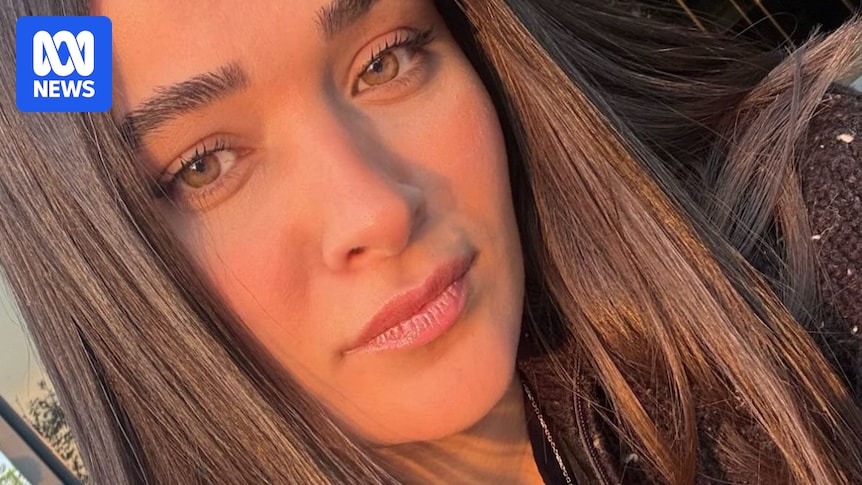
Like many Iranian Australians, Morteza Khandani has been anxiously seeking news from Iran. Two days ago, he confirmed his worst fear: his niece, Negin Ghadimi, was killed during anti-government protests. “We feel devastated,” Mr. Khandani shared from his home in Brisbane.
Negin, a 28-year-old bio-electrical engineer, had dreams of moving to Australia. Last Friday, in Tonekabon, 250 kilometers north of Tehran, she joined demonstrators on the streets. “Negin wanted to be the voice of Iranians,” Mr. Khandani said.
Violence Erupts in Tonekabon
The protest in Tonekabon was part of a nationwide call for demonstrations by the exiled Iranian crown prince, Reza Pahlavi. However, the peaceful march quickly turned violent. “They threw out tear gases,” Mr. Khandani recounted.
Negin’s father urged her to retreat, but she insisted, “We don’t have anything to lose, father. We need to go forward.” Tragically, she was shot with live ammunition, the bullet exiting her stomach.
Despite efforts to save her, violent clashes prevented her from reaching a hospital in time.
Protests and Government Crackdown
Negin’s death is one of many in the ongoing unrest. Estimates of casualties vary widely. The US-based rights group HRANA reports over 2,400 deaths, while Iran International claims more than 12,000.
“There’s blood in the streets,” reported a young Iranian woman to journalist Samira Mohyeddin, highlighting the severe government crackdown.
The Iranian government has imposed an internet blackout, stifling communication and impacting businesses. “Merchants trade through apps like Telegram and WhatsApp,” Mohyeddin explained, noting the economic toll.
International Reactions and Implications
Meanwhile, Iranian state media broadcasts funerals for security forces, claiming they were killed by protesters. The Iranian foreign minister has accused demonstrators of inciting violence to provoke an American response.
US President Donald Trump recently shifted his stance, stating, “The killing has stopped and executions won’t take place,” after threats of intervention if mass executions occurred.
Expert Analysis
Dr. Kylie Moore-Gilbert, a former prisoner in Iran and now a research fellow, cautions against believing executions will cease. “Officials have stated they intend to execute protesters to set an example,” she said.
She warns that Trump’s promises may force his hand. “Having encouraged protests and promised support, he’s locked and loaded,” she remarked. However, a US military response could exacerbate tensions, rallying regime supporters and validating conspiracy theories of foreign plots.
Hope and Uncertainty
Back in Brisbane, Mr. Khandani reflects on the loss of his niece and the broader implications. “The most harrowing news would be if this regime stays in power,” he said, as the world watches the unfolding situation in Iran.