

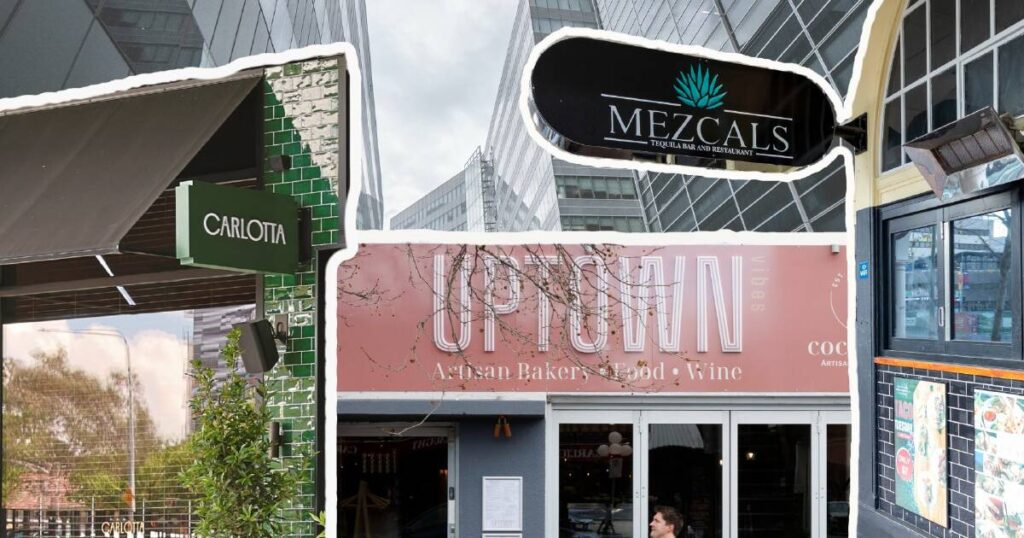
Canberra’s restaurant scene is facing a significant challenge, with many venues struggling to survive beyond the two-year mark. In the past year, several high-profile restaurants in Civic and Braddon have closed their doors, often abruptly and without warning. The closures highlight the difficulties of operating in a competitive and demanding market.
Several factors contribute to the precarious nature of the restaurant business in Canberra. A shortage of experienced staff, a discerning local population seeking value, and intense competition are among the primary challenges. Additionally, rising inflation and ongoing construction projects, such as the light rail works and the redevelopment of Garema Place, have compounded these difficulties. The closure of Civic car parks has further deterred potential patrons from visiting the city center.
Industry Insights: A Tough Business
According to Chris Hansen, a food reviewer for the Canberra Times and former restaurateur, the hospitality industry is one of the most challenging sectors to succeed in. “It’s a really, really, really hard industry. I actually think it’s one of the hardest industries in the world to be successful in,” he explained. Hansen emphasized the romanticized notion of owning a restaurant, which often overlooks the demanding nature of the work.
In 2025, both new and established venues found it difficult to sustain operations. Notable closures included Cube, a prominent club that had been a fixture for over two decades, and Bada Bing, an Italian restaurant that lasted less than 18 months. Other casualties included Chez Fred, which closed after 11 years, and Uptown Vibes, which shut down after just seven months. The hatted restaurant Carlotta also closed its doors just before Christmas.
Staffing and Market Challenges
Hansen noted that restaurants opened by chefs from Sydney or Melbourne often struggled when the chefs returned home. The lack of experienced chefs and waitstaff is a significant issue, as Canberra lacks a strong culture of professional hospitality. “Finding that level of service in Canberra… people who are experienced and professional waiters is impossible, it doesn’t exist, because we just don’t have that culture,” Hansen remarked.
Moreover, the mindset of local consumers presents additional challenges. Canberrans are known for their preference for convenient parking, a factor that has been disrupted by construction projects. “Canberra people, the mindset is I want to be able to park at the front door. If I can’t park at the front door, I’m not going to go there,” Hansen said, describing it as a “country town mindset.”
Competition and Consumer Expectations
The competitive landscape in Canberra is intense, with all of the city’s best restaurants located within a 20-minute drive of each other. This proximity means that venues are constantly competing for the same customer base. Hansen compared this to Sydney, where restaurants in different suburbs do not directly compete due to geographic separation.
Canberrans’ love of a good deal further complicates the situation for restaurants. Comments on articles about restaurant closures often highlight issues with perceived value for money. “The food was ok, but not worth the price. Staff were disinterested,” one commenter noted, reflecting a common sentiment among local diners.
Looking Ahead: Opportunities and Adaptations
Despite the challenges, some hospitality ventures have managed to expand in the capital. Terra opened Bar Outro in August 2025 and later a pizza bar, while ChiChiz Bar was launched by a group of friends in December. These examples suggest that with the right approach, success is possible.
Some venues have adapted by shifting their focus. Mezcals Tequila Bar and Restaurant cited light rail works as a reason for their struggles, while St Malo transitioned to catering to avoid construction-related disruptions. These adaptations highlight the need for flexibility and innovation in the face of adversity.
As Canberra continues to evolve into a major city, the restaurant industry will need to navigate these changes carefully. The transition presents both challenges and opportunities, and success will depend on the ability to adapt to the shifting landscape.