
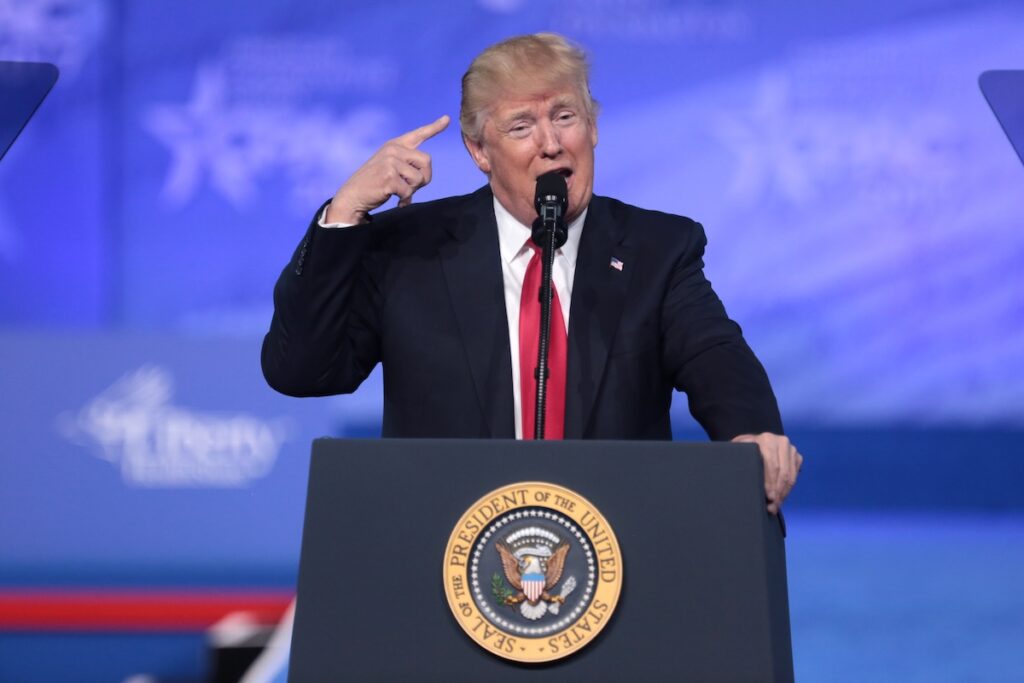
An aggressive President Donald Trump is intensifying efforts to dismantle adversarial regimes in Venezuela and Iran, a strategy that also targets the global influence of China and Russia. On January 3, a meticulously planned military operation saw U.S. troops abduct Venezuela’s President Nicolas Maduro from Caracas, transporting him to a New York jail. Shortly after, Trump expressed support for Iranian protesters challenging the Islamic leadership, promising that “help is on the way,” though specifics remain undisclosed.
This rapid push for regime change, though nascent, signals a significant geopolitical shift. Venezuela and Iran, known for their anti-American rhetoric, have been key players in what Western analysts term the “Axis of Upheaval,” alongside China, Russia, and North Korea. The American administration views these nations as engaging in “gray zone” actions—activities short of open warfare that undermine U.S. interests, including terrorism.
Strategic Alliances and Economic Sanctions
The American Enterprise Institute, a pro-Trump think tank in Washington, described U.S. actions in Venezuela and Iran as evidence that “China and Russia can’t protect their friends from the superpower’s wrath.” Years of U.S.-led economic sanctions have driven Venezuela and Iran closer to China and Russia, seeking economic relief and military support.
In return, these alliances have provided geopolitical advantages for China and Russia. Venezuela has offered China discounted petroleum, while Iran supplies oil at a 12% discount below global prices. However, Venezuela’s economic struggles have strained these deals, and Russia’s focus has shifted due to its ongoing conflict with Ukraine.
Implications for China and Russia
China faces potential setbacks if Iran’s government falls, including the loss of favorable oil deals and disruptions to the Belt and Road Initiative’s route through Iran. Meanwhile, Russia’s muted response to Trump’s actions may reflect its preoccupation with the prolonged war in Ukraine and the resulting geopolitical consequences, such as NATO’s expansion and increased European military support for Ukraine.
“The political and symbolic costs could be much more damaging,” noted the Center for European Policy Analysis regarding Russia’s position in Venezuela.
Despite these challenges, China has reacted cautiously, condemning Maduro’s ouster as a violation of international law but taking no concrete action. Similarly, Russia has remained silent, likely due to its strategic focus on Ukraine.
Future Prospects and Global Reactions
Trump’s strategy aims to reduce China’s influence in Latin America and pressure countries doing business with Iran by threatening tariffs. This approach has drawn criticism and warnings from China, yet Beijing has yet to respond with significant measures.
The question remains whether Trump can transform Venezuela and a potential post-Islamist Iran into cooperative partners without U.S. military intervention. The success of this strategy could reshape global alliances and redefine America’s role in international politics.
As the situation unfolds, the world watches closely to see how these bold moves will impact the delicate balance of global power and whether they will lead to the desired outcomes for the Trump administration.