


NASA is preparing for the first-ever medical evacuation of an astronaut from the International Space Station (ISS), marking a significant moment in the agency’s history. The astronaut, whose identity and ailment remain undisclosed, will be returning to Earth in the coming days due to a health issue, according to NASA officials.
This unprecedented decision to cut short a crewed mission for medical reasons highlights the challenges and risks associated with long-duration space travel. Dr. James Polk, NASA’s chief health and medical officer, assured the public that the astronaut is stable, stating, “We’re not immediately disembarking and getting the astronaut down, but it leaves that lingering risk and lingering question as to what that diagnosis is.”
Mission Details and Crew Composition
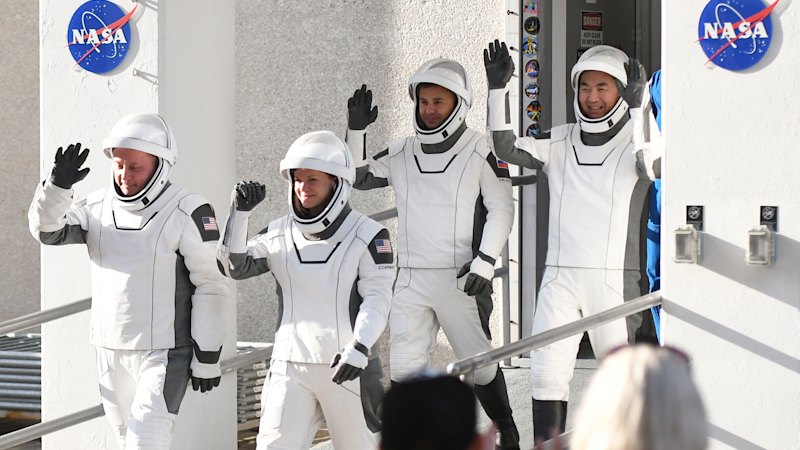
The affected astronaut is part of Crew-11, which includes NASA astronauts Zena Cardman and Mike Fincke, Japan Aerospace Exploration Agency’s Kimiya Yui, and Roscosmos cosmonaut Oleg Platonov. The crew launched to the ISS in August for a mission originally slated to last six months. However, the medical evacuation will shorten their stay by more than a month.
NASA first acknowledged the medical issue when it postponed a scheduled spacewalk on January 8. The agency emphasized that the condition is not related to any operational activities on the ISS. “This was not an injury that occurred in the pursuit of operations,” Dr. Polk clarified.
Challenges in Space Medicine
NASA Administrator Jared Isaacman highlighted the limitations of medical capabilities aboard the ISS, explaining, “The capability to diagnose and treat this properly does not live on the International Space Station.” This statement underscores the ongoing challenges in providing comprehensive medical care in space, where resources are limited and immediate evacuation is not always feasible.
The decision to return the astronaut to Earth reflects a consensus among NASA’s experts and the crew members in space. While the specifics of the medical condition remain confidential, the situation has prompted NASA to reassess its protocols for medical emergencies in space.
Implications for Future Missions
In response to the early return of Crew-11, NASA and SpaceX are expediting the launch of the next crewed mission, Crew-12, which was initially scheduled for February 15. Typically, NASA prefers to have new crews arrive at the ISS before the current crew departs to ensure a smooth transition of operations. However, with Crew-11’s early departure, only two Russian cosmonauts and a single NASA astronaut, Christopher Williams, will remain on board until Crew-12 arrives.
Amit Kshatriya, NASA’s associate administrator, expressed confidence in Williams’ ability to manage the station’s operations, stating, “Chris is trained to do every task that we would ask him to do on the vehicle.”
Looking Ahead
This historic medical evacuation raises important questions about the future of space travel and the need for enhanced medical support systems for astronauts. As NASA continues to push the boundaries of human space exploration, ensuring the health and safety of its astronauts remains a top priority.
The situation also highlights the importance of international collaboration in space missions, as agencies like NASA, Roscosmos, and the Japan Aerospace Exploration Agency work together to address unforeseen challenges.
As the space community closely watches this unfolding event, the lessons learned from this evacuation will likely inform future policies and procedures, paving the way for safer and more sustainable human presence in space.