


Millions of Ukrainians are enduring a harsh winter with below-freezing temperatures and limited access to heating, as Moscow continues its relentless campaign against the country’s energy infrastructure. Nearly four years after Russia’s full-scale invasion, about 60 percent of Kyiv remains without power, as Vladimir Putin’s forces aim to undermine Ukrainian morale through persistent drone and missile attacks on energy networks.
This development comes as peace negotiations between Kyiv and Moscow appear to have stalled, leaving Ukrainians to face yet another winter of hardship. The situation raises critical questions about the ongoing energy crisis and the prospects for a resolution.
Understanding Ukraine’s Energy Crisis
Russian drones and missiles have been targeting Ukraine’s energy infrastructure for months, severely damaging power and heating networks. This has strained an already fragile system, resulting in prolonged outages, rolling blackouts, and a lack of heating in freezing conditions. The situation has been exacerbated by accusations that Russia is using Ukraine’s nuclear facilities as leverage, with the Chernobyl nuclear power plant temporarily disconnected from the grid following a Russian attack.
In a recent wave of attacks, Russia launched over 330 drones and dozens of missiles at Ukraine’s power generation and distribution infrastructure during a severe cold snap. According to Ukraine’s economy minister, Yuliia Svyrydenko, these constant assaults have depleted the country’s equipment reserves for repairs.
The Human Cost of the Crisis
The potential consequences for Ukrainians are dire. Aid organizations warn that children are at risk of hypothermia and frostbite due to the freezing temperatures. On a particularly cold Tuesday morning, with temperatures in Kyiv at -12°C, over a million residents were left in the dark.
Ukrainian President Volodymyr Zelenskyy highlighted the severity of the situation, stating,
“As of this morning, about 4,000 buildings in Kyiv are still without heat, and nearly 60 percent of the capital is without electricity.”
Meanwhile, in Kharkiv, regional governor Oleh Syniehubov reported that more than a million consumers were without power, though authorities managed to restore electricity to roughly half by the following day.
Resilience and Coping Strategies
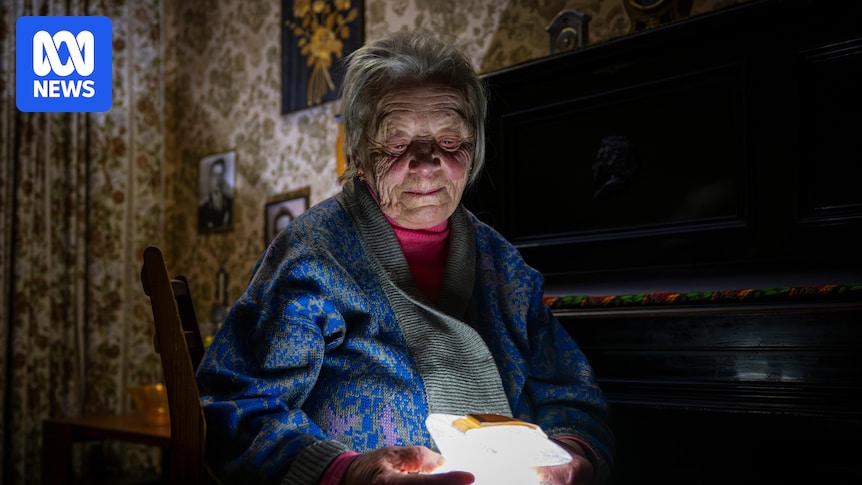
Across Ukraine, communities are finding ways to cope with the crisis. Schools have been transformed into humanitarian aid centers, equipped with charging stations for mobile phones. Tents have been set up to provide warmth and counseling services to residents. With temperatures plummeting, some households are resorting to storing food on windowsills and balconies.
Despite efforts to restore power, many residents continue to experience rolling blackouts, as a significant portion of Ukraine’s power generation capacity remains compromised. The ongoing campaign also threatens communication, with mobile phone networks severely affected. The nation’s largest carrier reports that 10 percent of its grid is non-operational.
One resident, a 39-year-old military chaplain, shared the emotional toll of the crisis, stating,
“It’s emotionally very difficult. There is constant worry. This winter is the hardest.”
Path to Resolution and International Involvement
Ukraine’s government is urging its allies to increase pressure on Russian President Vladimir Putin. President Zelenskyy has called for more robust actions from the United States, expressing hope that increased sanctions could curb Russia’s military production. He also expressed willingness to attend the World Economic Forum in Davos if the U.S. is ready to sign security guarantees for Ukraine.
U.S. President Donald Trump indicated plans to meet Zelenskyy on the sidelines of the forum, signaling potential diplomatic engagement. Meanwhile, in Davos, envoys for Trump and Putin described their discussions on a possible peace deal as “very positive” and “constructive.” However, meaningful progress towards a lasting peace remains elusive, leaving Ukrainians to face another winter of uncertainty and hardship.
As the situation unfolds, the international community continues to watch closely, with hopes that diplomatic efforts will eventually lead to a resolution. Until then, Ukrainians brace for continued adversity as they navigate their fourth winter in wartime.