




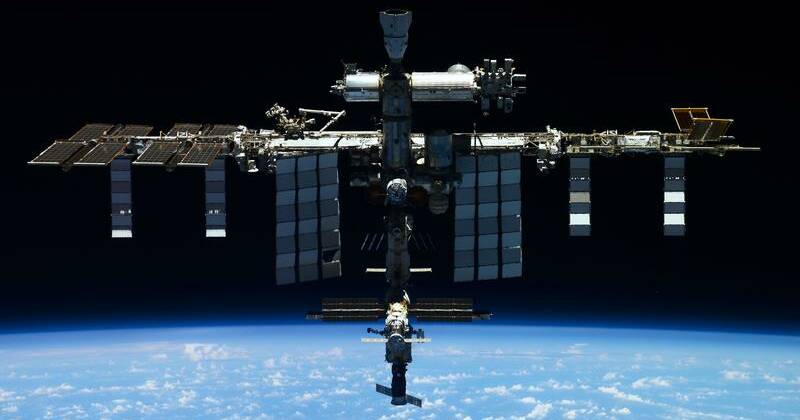
NASA is weighing the unusual decision to bring its crew back from the International Space Station (ISS) ahead of schedule due to a medical issue involving one of the astronauts. The affected astronaut, whose identity remains undisclosed, is reportedly in stable condition aboard the orbiting laboratory, according to a NASA spokeswoman.
“Safely conducting our missions is our highest priority, and we are actively evaluating all options, including the possibility of an earlier end to Crew-11’s mission,” the spokeswoman stated on Wednesday night. This announcement came shortly after NASA canceled a planned spacewalk that was set for Thursday.
Medical Concerns and Mission Adjustments
NASA had previously issued a statement indicating that they were “monitoring a medical concern with a crew member that arose Wednesday afternoon.” Typically, astronauts live aboard the ISS for six to eight months, equipped with basic medical supplies and medications to handle certain emergencies. The current crew has been on the station since their launch from Florida in August and was originally scheduled to return in May.
The mission’s commander, Michael Fincke, and flight engineer, Zena Cardman, were scheduled to perform a 6.5-hour spacewalk to install hardware outside the station. However, the unforeseen medical issue has put these plans on hold, highlighting the unpredictable nature of space missions.
Secrecy and Safety Protocols
Medical situations on the ISS are typically treated with a high level of confidentiality, and astronauts rarely disclose their health conditions publicly. This practice underscores the importance of privacy and the sensitive nature of health issues in space. NASA’s astronaut corps is trained to handle various medical scenarios, but the specifics of this situation remain undisclosed.
Dr. Sarah Johnson, a space medicine expert, noted, “The health and safety of astronauts are paramount. Any medical concern, no matter how minor it may seem, is taken very seriously, given the unique environment of space.” This sentiment echoes NASA’s commitment to prioritizing the well-being of its crew members.
Historical Context and Future Implications
The potential early return of the ISS crew is reminiscent of past instances where missions were adjusted due to health concerns. In 1970, the Apollo 13 mission famously faced a life-threatening situation that required an emergency return to Earth. While the current scenario is not as dire, it serves as a reminder of the challenges and risks associated with human spaceflight.
Looking ahead, this situation may prompt NASA to re-evaluate its medical protocols and contingency plans for future missions. As space exploration continues to advance, ensuring the health and safety of astronauts will remain a critical focus.
Meanwhile, NASA is closely monitoring the situation and will decide on the best course of action for the crew’s return. The agency’s decision will likely influence how similar situations are handled in the future, potentially leading to new standards and practices in space medicine.
As the world watches, the safety of the astronauts remains the top priority, and NASA’s response will be closely scrutinized by experts and the public alike.