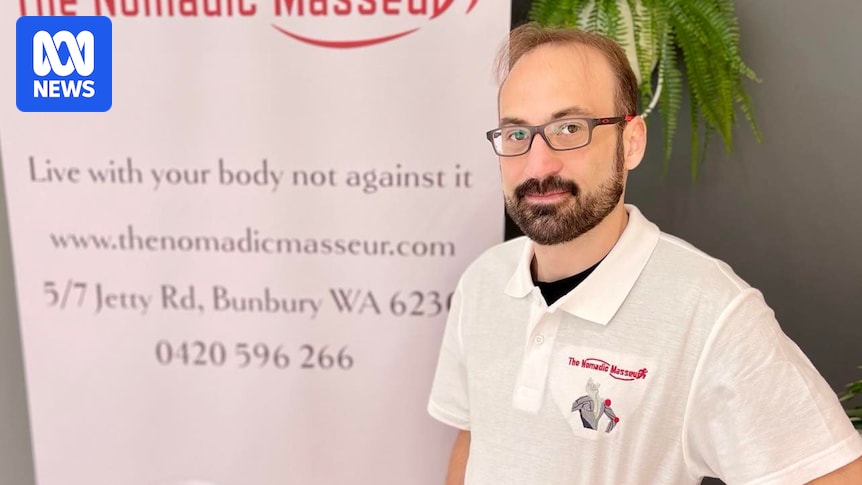



Leo Lundy, a researcher at the Trinity Centre for Biomedical Engineering, highlights a surprising trend: the UK boasts one of the highest numbers of multi-marathoners per capita globally. With about 6,000 aspiring members of the 100 Marathon Club, this explosive growth in endurance sports is largely driven by midlife converts. “There is a real wave of interest in running at the moment, and most people who finish multiple marathons are middle-aged,” Lundy notes. “Many probably didn’t start running until they were 40, but some go on to do several more events and try ultramarathons too.”
As a runner himself, Lundy, 61, sought to understand whether repeated recreational marathon running truly benefits mental well-being. Along with colleagues from the Trinity School of Medicine, he surveyed 576 male and female marathon runners in their forties and fifties from 22 countries, including the UK and Ireland. These individuals, fitting the description of “multi-marathoners,” are part of a growing trend of completing the 26.2-mile distance multiple times.
“Initially, 94 percent of the runners believed it was good for them,” Lundy says. “However, when I conducted robust and validated psychological tests for depression and anxiety, I found that in 25 percent of cases, the results for these conditions were worryingly high.”
Running and Mental Health: A Complex Relationship
The study, published in the Acta Psychologica journal, revealed that about 8 percent of runners fell into a high-risk category for clinical depression and severe anxiety, significantly above clinical cut-off levels and much higher than World Health Organization norms.
“The study highlights that marathon running is not a guarantee of good mental health,” Lundy emphasizes. While running and endurance exercise are typically linked with better mood, 75 percent of participants felt better for doing it. “It is when the body and mind are under constant strain, and for some runners, the habit becomes more of a coping mechanism than a joy, that burnout and anxiety can creep in,” he explains.
Even those planning to run just one marathon should heed these findings. “You have months of training, the weeks leading up to it, the adrenaline on the day, the energy required to complete the race, and the euphoria of crossing the line,” Lundy notes. “Because of this, there will usually be a period of downtime afterward.”
The Impact on Relationships
Ammanda Major, a sex and relationship counsellor and clinical director for the charity Relate at Family Action, points out that it’s not just mood swings but also the time demands associated with endurance events that can strain relationships. “Focused, time-consuming physical activities such as marathons, triathlons, and golf create neurobiological feedback loops in that they make you feel good, so you do more of them,” she explains. “But if you start spending inordinate amounts of time away from your relationship due to an activity, partners might feel it is a choice you have made and start to feel alienated and neglected.”
A study in the Sociology of Sport suggested that newcomers to marathon running often “undergo a process of identity transformation” as they become immersed in the activity and enter a new “running social world” that operates outside their partnership or marriage.
“Even if the non-running partner is supportive, embracing a serious marathon identity by the running partner can jeopardize the marriage [or partnership],” said researchers from the Academic College at Wingate in Israel, adding that sometimes “the partnership may crumble” as a result.
Having completed seven marathons (plus one on roller skates), I can attest to the consuming nature of the standard 16-week training period for each event. It occupies your every waking thought and action, from how you sleep to what and when you eat. Conversations revolve around carbs, fluids, electrolytes, mileage, pacing, and predicted times. Mealtimes at home shift to comply with your “refuelling window,” and alcohol is mostly off the menu due to its dehydrating effects. You’re constantly checking your Garmin watch or Strava and avoid late nights for fear of nodding off. Forget sex because not only are you permanently exhausted, you’re often in bed by 8:30 PM to wake up ready for your morning run.
Post-Race Blues and Emotional Challenges
Preparing for marathons absorbs every ounce of your being, and it doesn’t end when you cross the finish line. There is a mourning period when days suddenly lack meaningful miles, and the absence of a looming goal can cause a dramatic slump in mood. It can last months. I recall feeling bereft without a weekly training schedule and the camaraderie of fellow runners after some marathons. It would often take me several weeks for my mojo to return.
What psychologists have dubbed the runner’s blues is not unusual. Last year, researchers from Linnaeus University in Sweden interviewed 16 recreational runners or triathletes about their emotional state within six months of participating in an endurance event. Some respondents said they still felt “high on life” weeks or months after the event, but a common theme was experiencing a “loss of energy, ambivalence, and melancholy.”
Sofia Ryman Augustsson, an associate professor of sports science and lead author of the paper published in the Sports Medicine, Science and Rehabilitation journal, noted that negative post-race emotions were “physically and mentally challenging.” Participants attributed their “post-race blues” to factors such as “time spent training for a specific race” and a “perceived inability to set new goals for an upcoming training period.”
Lundy advises runners to be aware of overtraining, exercise dependence, and when lifestyle pressures become too much. “Making time for recovery, keeping running enjoyable rather than compulsive, and talking openly about mental health in running clubs or groups could go a long way,” he suggests. Setting time aside for relationships and focusing emotions on events outside daily runs and workouts is also crucial. “There has to be a balance,” Major advises. “It should not take over your life to the extent that everything else is adversely impacted.”
My last marathon was in 2011, after which I vowed not to do another until I had more time on my hands and the kids had grown up. Now that they have, there is a nagging desire to try one more within the next few years, maybe to sign off my fifth decade. Although if my non-running partner is reading this, he may have other ideas.
How to Save Your Relationship
Re-engage with Your Partner
It is crucial not to return from a training run and inundate your partner with details about how it went. “Even if you are exhausted, make sure you create a space for re-entry into your relationship after you’ve been out doing your thing,” Major advises. “Ask about their day, how the kids are, if the mother-in-law made her hospital appointment, and things that are important to you both.”
Involve Your Partner to Some Extent
“When partners feel alienated, they find it hard to show interest in whether your training or event went well,” Major says. “You need to find a balance in which you can discuss some elements of your sporty hobby but not let it overwhelm the conversations between you.” Equally, if you don’t run marathons but your partner does, it is important to accept that it is significant to them and try to make space in your relationship for that commitment.
Be Prepared to Compromise
Discuss your training and competition plans with your partner. “I’ve worked with couples where the non-sporty partner finds out that their husband or wife has signed up for an endurance event in three weeks’ time when there is some family commitment,” Major explains. “The sporty partner keeps it quiet because they know it is going to cause ructions, and the other partner feels as if the rug has been pulled from under their feet and it is all a thousand times worse than it would have been if they had planned ahead together for events that are important to both of them.”
Ask Yourself Why You Are Becoming Obsessed with Training
In some cases, throwing yourself into endurance training can be a symptom that something else in the relationship is wrong. “Sometimes partners who are unhappy in a relationship will seek external validation from a hobby,” Major notes. “If you suddenly find yourself getting drawn into hobbies that take you away from the home a lot more, stand back and ask yourself if it is because you are genuinely enjoying the challenge or because you are trying to escape a difficult situation.” If it’s the latter, it’s time to see a relationship therapist.