


January 16, 2026 — 5:00am
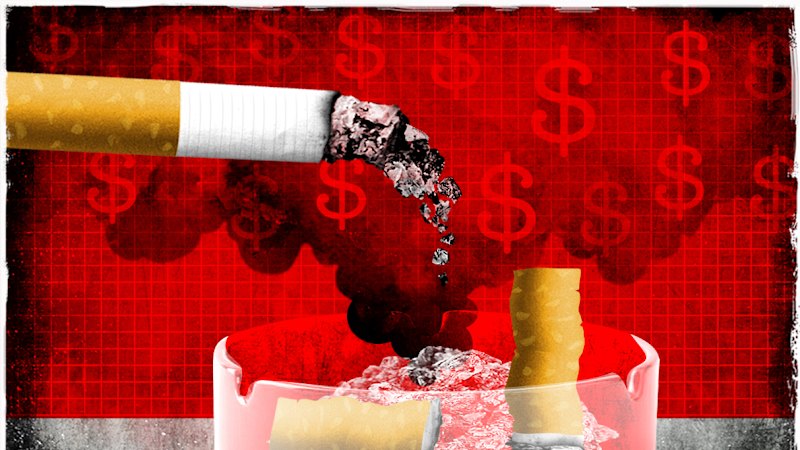
The criminal syndicates behind Victoria’s multibillion-dollar illegal cigarette trade are reportedly devising strategies to circumvent the state’s impending crackdown on tobacco shops. Plans include distributing black market cigarettes through unconventional outlets such as laundromats, hairdressers, and anonymous depots.
In a bold move, these syndicates are also considering selling smuggled packs of major tobacco brands that comply with plain packaging laws. The aim is to blend these with legal cigarettes to obscure their illicit origins. This development follows the arrest of Kazem “Kaz” Hamad in Iraq, a key figure in Victoria’s tobacco war, potentially creating a power vacuum in the region.
New Enforcement Measures
Victoria’s tobacco licensing system is set to commence on February 1, nearly two years after the legislation was first proposed and over a year since it passed parliament. The government pledges that this regime will dismantle organized crime’s business model by deploying inspectors to close down shops selling illicit tobacco.
Individuals caught selling illicit tobacco face fines up to $366,318 or up to 15 years in jail, while businesses could be fined $1.8 million. Underworld sources, who remain anonymous, indicate that syndicates have long prepared contingency plans, anticipating the end of their “free run.”
Illicit Distribution Tactics
The syndicates are exploring methods to distribute illicit tobacco through less conspicuous business fronts, moving away from the estimated 1300 shops openly selling underworld-favored brands like Manchester and vapes such as Alibarbar. Many of these shops make no effort to hide their illegal sales, often operating as advertised tobacco or convenience stores.
“The problem out there is the shit-obvious shops that just say ‘Tobacco’ on them,” one underworld source said. “They’re going to clamp down on them very easily. That’s going to be toned down; it’s going to be less blatant.”
There is also a growing trend of sales occurring via word of mouth through “retailers” operating from nondescript warehouses, where customers can purchase cartons of cigarettes or vapes. A delivery service akin to an “Uber for cigarettes” is also being developed.
Financial and Legal Challenges
The crackdown is expected to cost the syndicates hundreds of millions of dollars. Compounding their challenges is the increasing reluctance of banks and financial service providers to offer point-of-sale terminals for credit card transactions to businesses clearly selling illicit products, forcing a shift to cash-only transactions.
“That’s killed a lot of sales, too,” the source said.
Syndicates are also planning to reduce reliance on illegal brands like Manchester by sourcing legal cigarettes from third-party manufacturers linked to big tobacco companies. The goal is to import these legally packaged cigarettes without paying taxes and sell them in shops as legitimate products.
However, tobacco industry insiders doubt the feasibility of this scheme, citing the ability of legitimate manufacturers to detect large-scale “leakage” of their products onto the black market.
Regulatory and Operational Hurdles
The new regulator, Tobacco Licensing Victoria, is already facing significant challenges in controlling the illicit market, which has long operated unchecked and is marred by violence and gang rivalry. The new rules require any tobacco-selling shop to obtain a license by February 1. Unlike other states, Victoria’s inspectors lack the authority to shut down illegal retailers, only to prosecute them.
There are already delays in the program, including a major holdup in appointing a head for the enforcement unit. The chief operating officer position was still advertised online in late November and was being “finalized” by mid-December. The unit is expected to be overwhelmed, with only 14 enforcement officers for an estimated 8000 tobacco retailers across the state.
Implications for the Future
Delays in eradicating the black market could be substantial due to the need for inspectors to travel across the state and safety concerns that prevent them from conducting compliance checks alone. Intelligence suggests that hundreds of shops are directly controlled by the Hamad cartel, the dominant force in the illicit tobacco market.
Kazem Hamad initiated the so-called tobacco war in early 2023, overthrowing emerging organized crime groups vying for control of illicit tobacco importation and sales. His arrest in Iraq raises questions about the future operations of his cartel.
A Victoria Police spokesperson stated that the force “will support where and as required the newly established Tobacco Licensing Victoria.” According to a recent report by the Illicit Tobacco and E-cigarette Commissioner, more than half of Australia’s tobacco market is believed to be illegally sourced.
The regulator faces an uphill battle in prosecuting shop operators, many of whom have little or no genuine paperwork and employ staff paid in cash, unaware of their true employers.