



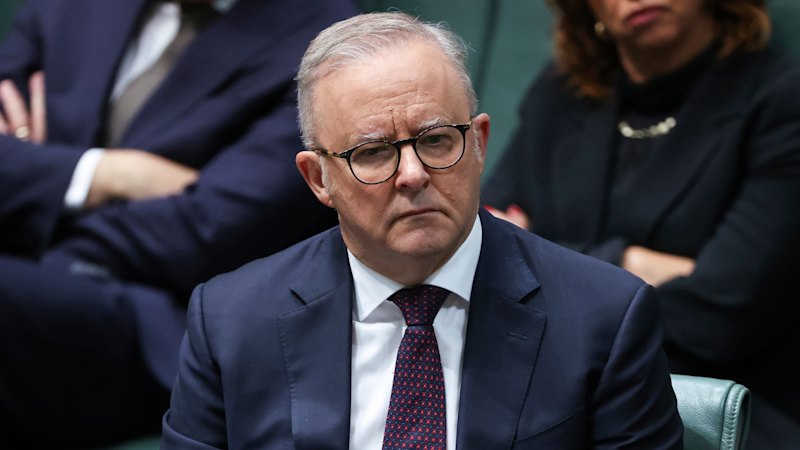
Prime Minister Anthony Albanese has recalled the Australian Parliament two weeks early to address urgent legislative measures following the recent terror attack in Bondi. The government is set to debate two critical bills today, focusing on gun reform and hate speech, as the nation grapples with the aftermath of the attack.
The gun reform legislation has already cleared the House of Representatives and is now poised for Senate consideration. Originally proposed as a single comprehensive bill, the legislation was divided into separate gun reform and hate speech components due to opposition from the Coalition and the Greens. The contentious anti-vilification provisions, which included a new offense for promoting hatred, were removed after civil society groups raised concerns about potential impacts on free speech.
Debate Over Hate Speech Legislation
Labor MPs and Jewish leaders have expressed concerns that the removal of anti-vilification laws could allow Islamic hate preachers to evade accountability. The Senate is scheduled to begin its session at 2 PM, with votes on gun reform expected by 6:30 PM and on hate speech laws by 10 PM.
The Nationals have abstained from voting on the hate crimes bill in the House of Representatives, citing ongoing internal debates about the bill’s provisions. Nationals leader David Littleproud stated, “Unfortunately, there is not enough time before the vote in the House of Representatives to work through the Nationals’ concerns.”
“Therefore, The Nationals’ position is to abstain from voting in the House of Representatives, so that we can put forward amendments to the Bill in the Senate to fix these issues.”
If the Nationals’ proposed amendments fail in the Senate, the party has indicated it will vote against the bill.
Key Provisions of the New Legislation
Gun Laws
- Enhanced background checks for gun license applicants.
- Increased information sharing between security agencies.
- Stricter “fit and proper” tests for gun license eligibility.
- Restrictions on gun imports to Australian citizens and specific types of firearms.
- Implementation of a national gun buyback scheme.
Hate Crime Laws
- Designation of certain organizations as “hate groups,” with potential jail time for members and donors.
- Expanded ministerial powers to cancel or refuse visas for individuals spreading hateful or extremist views.
- New aggravated offenses for religious leaders advocating violence, with penalties for preaching hate to children.
While the Coalition supports the hate speech reforms, Greens senator David Shoebridge has criticized the legislation, arguing it could lead to the imprisonment of human rights protesters.
“The Albanese government has decided they’re going to attach themselves to the Coalition – the hateful, divisive politics of the Coalition – and seek to put good people in jail because they care about the rights of others,” Shoebridge stated.
Political and Public Reactions
Greens leader Larissa Waters described the development as a missed opportunity, criticizing the rushed nature of the hate speech bill and its potential to undermine freedoms. “We couldn’t support a bill that might have criminalized peaceful protesters calling out human rights abuses in other nations,” Waters remarked.
Meanwhile, One Nation’s Barnaby Joyce called for the hate speech laws to be “guillotined,” arguing that the government was casting “an awfully wide net” in response to the Bondi massacre. Independent MP Monique Ryan echoed concerns about the lack of community consultation and the rapid pace of legislative development.
Jewish Labor MP Josh Burns condemned the opposition’s stance, highlighting a perceived inconsistency between their public statements and legislative actions. Opposition education spokesman Julian Leeser emphasized the Liberal Party’s commitment to supporting the Jewish community and law-abiding Australians, framing the legislation as a step in the right direction.
Implications and Future Steps
The debate over these bills underscores the complex balance between ensuring public safety and preserving civil liberties. As the Senate prepares to vote, the outcome will likely have significant implications for Australia’s legislative landscape and social cohesion.
With the potential for further amendments and political negotiations, the coming days will be crucial in determining the final shape of these laws and their impact on Australian society.