


Warner Bros Discovery, the parent company of HBO and CNN, has advised its shareholders to reject a hostile takeover bid by Paramount Skydance in favor of its existing agreement with streaming giant Netflix. The Warner Bros board has labeled the Paramount offer as “inferior” and “inadequate.”
Paramount, which owns CBS and Nickelodeon, has been directly appealing to Warner Bros shareholders with an offer to acquire the entire company. This comes after Warner Bros agreed to sell its streaming and studios businesses to Netflix. As part of the Netflix deal, Warner Bros plans to spin off its cable networks, such as CNN and TNT, into a separate entity before finalizing the agreement.
Concerns Over Paramount’s Offer
Warner Bros has expressed several concerns regarding the Paramount bid, including uncertain financing and the risk of deal termination. Paramount’s offer includes $30 per share in cash for the entire company, including its cable networks. In contrast, the Netflix deal offers Warner Bros shareholders $27.75 per share in cash and Netflix stock, along with shares in the new cable network company.
In response to a letter from the Warner Bros board to shareholders, Paramount reaffirmed its commitment to its $30 per share offer. Including assumed debt, Paramount’s bid values Warner Bros at $108.4 billion. Meanwhile, the Netflix proposal values the sought-after assets at approximately $82.7 billion, with Warner Bros investors also receiving shares of the cable spinoff.
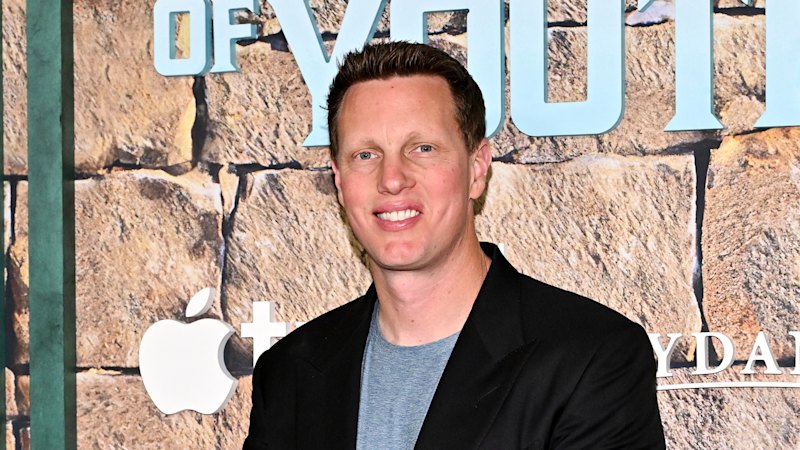
“Our proposal clearly offers Warner Bros shareholders superior value and certainty, a clear path to close, and does not leave them with a heavily indebted sub-scale linear business,” Paramount CEO David Ellison stated.
The Battle for Warner Bros
Paramount, controlled by billionaire Larry Ellison and his son David, is vying against Netflix, the world’s most valuable entertainment company, to acquire Warner Bros. This storied Hollywood studio, along with HBO, represents significant assets in the TV business. Executives from both Paramount and Netflix argue that they are best suited to leverage the Warner Bros library to enhance their streaming operations.
In its detailed 94-page regulatory filing, Warner Bros highlighted risks in the Paramount offer, particularly the Ellison family’s failure to adequately back their $40.7 billion equity commitment. The board pointed out that the equity is supported by “an unknown and opaque revocable trust,” which poses significant risks to shareholders.
The board stated that Paramount’s proposal “contains gaps, loopholes, and limitations that put you, our shareholders, and our company at risk.”
Financial Implications and Strategic Considerations
Warner Bros has criticized Paramount for misleading shareholders by claiming a “full backstop” by the Ellison family. The board warned that if Paramount’s deal were to close, it would result in a debt load nearly seven times larger than the combined company’s earnings before interest, taxes, depreciation, and amortization.
The latest offer from Paramount includes $54 billion in debt commitments from Bank of America, Citigroup, and Apollo, along with plans to raise $41 billion in equity. This includes $11.8 billion from the Ellison family, $24 billion from three Middle Eastern sovereign wealth funds, and additional financing from RedBird Capital Partners. Notably, Affinity Partners, founded by Jared Kushner, withdrew from the process recently.
Paramount’s proposal also requires Warner Bros to pay a $2.8 billion breakup fee to Netflix. Despite this, Warner Bros maintains that the Paramount offer “remains inferior to the Netflix merger.”
Market Reactions and Future Prospects
Shares of Warner Bros fell 2% to $28.32 in New York trading on Wednesday, while Netflix shares rose 0.5%, and Paramount shares declined by 4.2%. Forrester analyst Mike Proulx commented that Warner Bros’ rejection of Paramount’s offer changes little, as the final decision rests with shareholders and a vote is still months away.
“What’s clear about Paramount’s bid are the growing eyebrow raises over its Middle Eastern financing,” Proulx noted, suggesting potential regulatory concerns similar to those raised about China’s influence on TikTok.
Ellison’s pursuit of Warner Bros began with a meeting with Warner Bros CEO David Zaslav in September, followed by multiple unsolicited bids. This prompted Warner Bros to initiate a strategic review and engage in private negotiations with several potential suitors, including Netflix, Comcast, and Paramount.
David Ellison has criticized the bidding process, accusing Warner Bros of favoring Netflix. However, Warner Bros portrays the Ellisons as aggressive and disorganized, submitting bids after deadlines and failing to address concerns. According to filings, Zaslav informed the board that the Ellisons had suggested a lucrative compensation package if a deal was completed, which he deemed inappropriate to discuss at that time.
As the battle for Warner Bros continues, the entertainment industry watches closely to see how this high-stakes corporate drama unfolds, with significant implications for the future of streaming and media consolidation.