




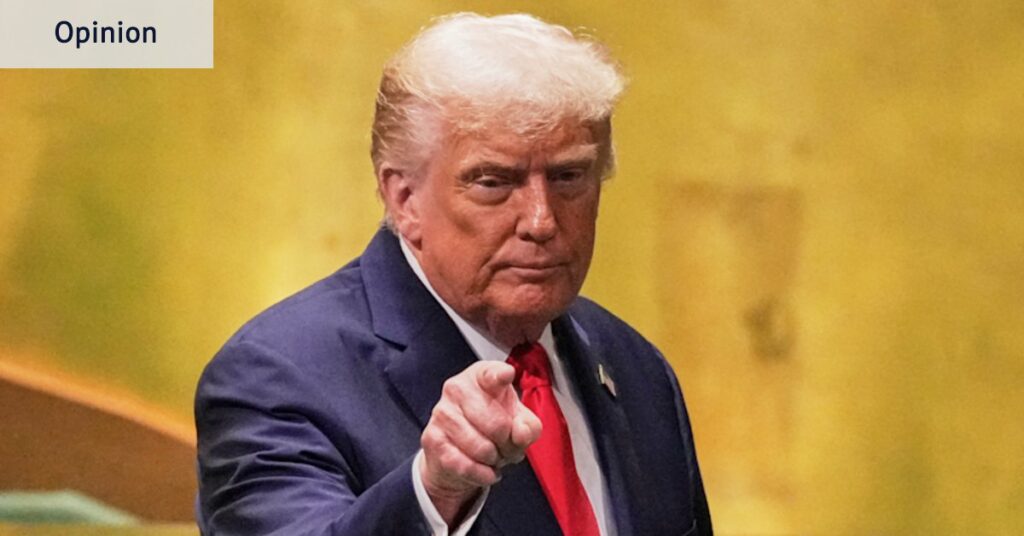
On January 21, 2026, US President Donald Trump announced the formation of a “Board of Peace” to oversee the reconstruction of Gaza. This initiative, however, has been met with skepticism, with critics labeling it a strategic move designed to consolidate American influence under the guise of international cooperation.
The announcement comes as Trump continues to pursue policies that prioritize bilateral over multilateral agreements, a stance that has been evident since his withdrawal from the Trans-Pacific Partnership (TPP) on the first day of his presidency. This decision was a clear indication of his administration’s preference for direct negotiations that ostensibly favor American interests.
The Structure Behind the “Board of Peace”
At first glance, the “Board of Peace” appears to be a collaborative effort involving various international leaders. However, a closer examination reveals a core “founding executive board” dominated by US interests, including Secretary of State Marco Rubio, Jared Kushner, and Tony Blair. The inclusion of figures like Turkish and Qatari officials and Israeli businessman Yakir Gabay seems to provide a semblance of diversity, yet the underlying control remains firmly in American hands.
This development follows a pattern of US foreign policy that seeks to reshape international frameworks to align with its strategic objectives. Critics argue that the “Board of Peace” is less about genuine peace-building and more about establishing a “pay to play” system where the US dictates terms under the pretense of global leadership.
Historical Context and International Reactions
The move represents a continuation of historical US foreign policy strategies that have often bypassed international consensus in favor of unilateral action. The past actions of the Trump administration, such as the abduction of Venezuelan leader Nicolas Maduro and the controversial proposal to annex Greenland, underscore a willingness to challenge established norms.
“The US has made it clear it’s not going to let the Lilliputians tie Gulliver up, and that has some of them terrified,” an American academic noted during the US invasion of Afghanistan.
Meanwhile, countries like Australia face a dilemma. Prime Minister Anthony Albanese’s potential participation in the “Board of Peace” raises questions about whether Western allies will continue to support a US-led order or seek to uphold a rules-based international system.
Implications for Palestinian Statehood
For Palestinians, the implications of this initiative are profound. The “Board of Peace” could undermine their claims to statehood, which are supported by international law and ongoing cases at the International Court of Justice. The rhetoric from board members like Kushner, who emphasizes Gaza’s “real estate potential,” fails to acknowledge the historical and legal rights of Palestinians to their land.
According to sources, the choice facing leaders like Albanese is between supporting a mercantilist “mafia world order” or defending the established international legal framework that recognizes Palestinian rights.
A Global Power Play
Political and business leaders worldwide, from Apple’s Tim Cook to FIFA’s Gianni Infantino, have been navigating the complexities of Trump’s unpredictable policies. The reluctance of European powers like Britain, France, and Germany to confront Trump directly stems from a perceived need to maintain US support against Russian aggression in Ukraine.
As protests in Melbourne by Iranian monarchy supporters demonstrate, the global community is watching closely. Their chants, “Trump show your power! Now is the hour!” reflect a broader anticipation of how world leaders will respond to Trump’s maneuvers.
The question remains: will leaders of democratic nations like Albanese assert their influence and challenge this new order, or will they acquiesce to the US’s strategic reshaping of international relations?