



The future of three senior Nationals is uncertain after they voted against the Coalition’s official stance on hate speech reforms, raising questions about their adherence to cabinet solidarity. This development has sparked discussions among both Liberals and Nationals about potential resignations following the breach.
Parliament was recalled early to address the Bondi terror attack, a move strongly advocated by Opposition Leader Sussan Ley. However, the Coalition is now divided over the reforms that Ms. Ley insisted be prioritized, which include new laws to ban extremist groups, enhance visa cancellation powers, and impose stricter penalties on religious leaders promoting violence.
Defiance and Consequences
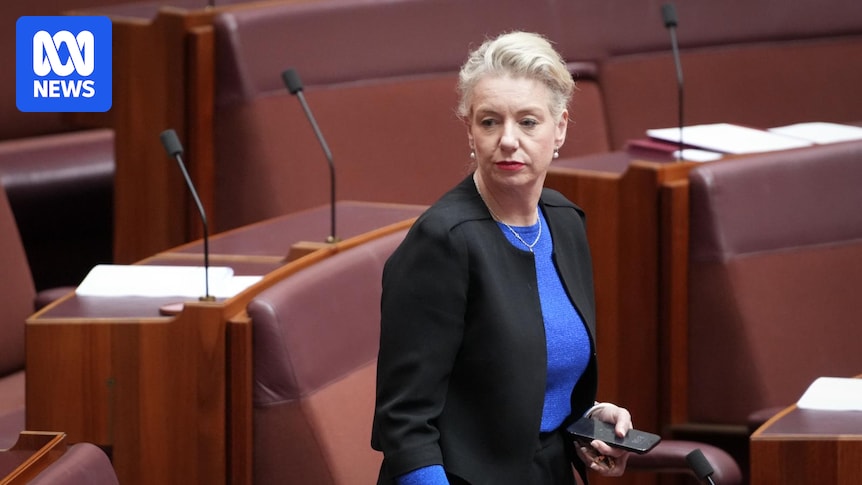
Late last night, shadow ministers Ross Cadell, Bridget McKenzie, and Susan McDonald defied the convention by voting against the hate speech bill, which traditionally binds them to the Coalition’s shadow cabinet position. In response, the junior Coalition party convened this morning to deliberate on the next steps.
Senator Ross Cadell expressed readiness to face the repercussions of his actions. “I am willing to take the consequences of my actions, I think that is fair,” he stated. “I can’t do the crime if I’m not prepared to do the time. Some things you have to stand up for… I couldn’t get there, I had real fears about what could happen, so I did what I thought had to be done.”
Cadell anticipated losing his portfolio as a result but emphasized that the issue had been handled appropriately by Ms. Ley. He assured that the Nationals had no intention of destabilizing the Coalition. “Everyone has worked well in the Liberal and National parties on this. There are ways this can work if it is the three of us [Nationals senators] going. If that is what has to happen, it happens,” he remarked.
Implications for Party Leadership
Meanwhile, across various party room meetings, Nationals MPs discussed the ramifications of opposing the Coalition’s formal position. On Sky News, Senator McKenzie acknowledged that their decision could jeopardize their ministerial roles. When questioned about breaching cabinet solidarity, she affirmed her awareness of parliamentary conventions, stating, “I’m very aware of the conventions of parliament, and I will be doing what I’ve always done, which is trying to do my very best to conduct my career here with integrity.”
Liberals Question Littleproud’s Stance
Earlier, when the reforms were presented in the House of Representatives, Nationals leader David Littleproud abstained from voting. In a subsequent statement, he clarified that while the Nationals supported the intent to combat hate speech and extremism, they could not endorse reforms that might infringe on free speech without further amendments.
“This decision does not reflect on the relationship within the Coalition,” Littleproud stated. “The Coalition has secured significant improvements to the legislation, but The Nationals’ party room has concluded that more time is required to more fully examine and test the Bill before it is finalized.”
Some Liberal MPs are now questioning Littleproud’s future, with party meetings scheduled to address the division. However, others argue that the extraordinary circumstances, including the rushed drafting of reforms following the Bondi terror attack, warrant reconsideration of traditional conventions.
Historical Context and Future Prospects
This incident marks the latest rift between the Liberals and Nationals, who have maintained a fragile alliance since their defeat in the May federal election. The two parties briefly suspended their Coalition agreement post-election due to policy disagreements and claims by Opposition Leader Sussan Ley that the Nationals were undermining cabinet solidarity on significant issues.
Upon reunification, Ms. Ley stated that the Nationals had agreed to uphold cabinet solidarity, with Mr. Littleproud downplaying previous concerns. At a press conference, Littleproud emphasized the importance of maintaining order within the party. “I don’t want a free-for-all in my party room. I want to know that we respect the structures and processes that we have [had] for 80-plus years,” he asserted.
As the parties navigate this latest challenge, the focus remains on whether the Coalition can reconcile its differences and present a united front in the face of pressing legislative reforms.