




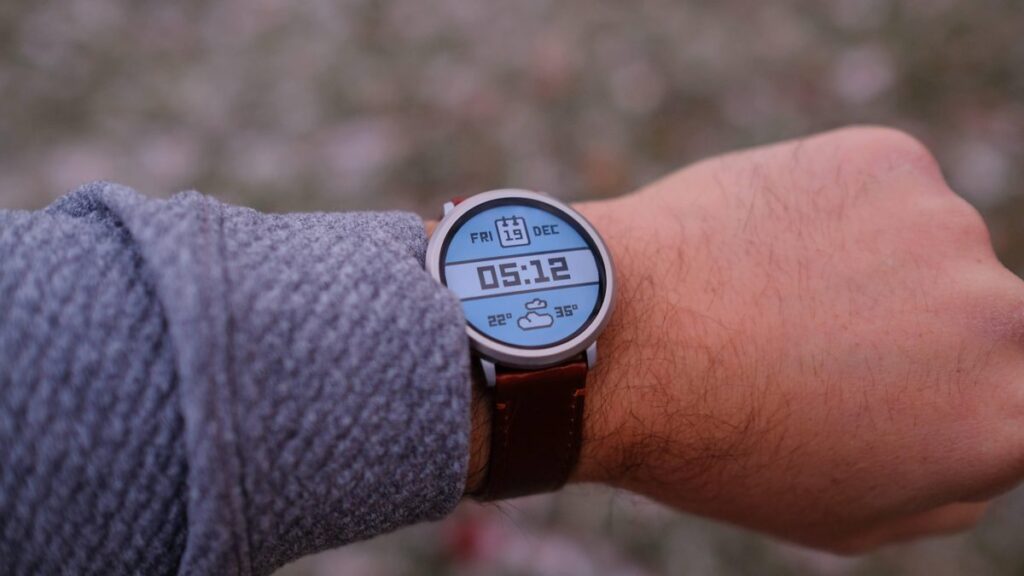
The Pebble Round 2 is making a comeback, targeting users who value simplicity and longevity over the feature-packed offerings of modern smartwatches. Priced at an attractive $199, the Pebble Round 2 is now available for preorder and is expected to ship in May. This stylish device continues the legacy of the Pebble Time 2, offering a playful yet practical experience with its always-on e-paper display and extended battery life.
Unlike its competitors from Apple, Google, or Samsung, the Pebble Round 2 does not focus on fitness tracking. Instead, it embraces the core philosophy of its predecessor, the Pebble Time Round from 2015, with a thin, light stainless steel design available in gold, silver, and black. The watch also offers two wristband sizes: 14mm and 20mm.
The Legacy of Pebble
The original Pebble smartwatches were pioneers in the wearable tech industry, gaining popularity for their simple designs and long-lasting battery life. After the company was acquired by Fitbit, and subsequently by Google, Pebble co-founder Eric Migicovsky sought to revive the brand. With Google open-sourcing the Pebble software, Migicovsky saw the opportunity to bring back the beloved devices.
The Pebble Round 2 is the third product in the revived lineup, joining the Time 2 and a smart ring called the Index 01. The new Round 2 model improves upon the original by eliminating large bezels and extending battery life from three days to 10-14 days. It also maintains access to the Pebble store, offering a range of watch faces and simple apps.
Technological Features
The Pebble Round 2’s screen utilizes a memory-in-pixel, color e-paper design with a refresh rate of 30 to 40 frames per second, allowing for simple animations. This technology is key to the watch’s longevity, as it consumes less power and remains visible under any lighting conditions without casting a glow in dark rooms.
While the watch lacks the comprehensive health and lifestyle features of its competitors, it does support basic activity and sleep tracking, including step counting. Its primary function is to display phone notifications and run simple apps, rather than replace a smartphone’s capabilities.
A New Start for an Old Favorite
The Pebble Time 2, set to ship in March for $225, includes a heart rate monitor and boasts a battery life of three to four weeks. In contrast, the Round 2 does not feature a heart rate monitor and has a shorter battery life, but its traditional watch appearance and lower price point may appeal to those seeking a more classic look.
As the Pebble Round 2 and Time 2 hit the market, comparisons with modern smartwatches will be inevitable. The focus will be on how these nostalgic devices fare against the latest technology. In the meantime, consumers can explore other smartwatch options currently available.
Expert Insights and Historical Context
According to industry experts, the revival of Pebble smartwatches taps into a niche market of users who prefer straightforward, reliable devices. “Pebble’s return is a testament to the enduring appeal of simplicity in technology,” said a tech analyst. “While the market is saturated with feature-heavy devices, there’s still a demand for products that prioritize usability and battery life.”
This sentiment echoes the original success of Pebble, which was among the first to popularize smartwatches with its Kickstarter campaign in 2012. The brand’s focus on simplicity and functionality resonated with early adopters, setting the stage for the wearable tech boom.
Looking Ahead
With the Pebble Round 2 and Time 2 poised to enter the market, the company aims to capture the attention of both nostalgic fans and new users seeking an alternative to mainstream smartwatches. The success of these devices will depend on their ability to balance modern expectations with the charm of their predecessors.
As technology continues to evolve, Pebble’s approach serves as a reminder of the value of simplicity in an increasingly complex digital landscape. The coming months will reveal whether this strategy can carve out a sustainable niche in the competitive world of wearable technology.