



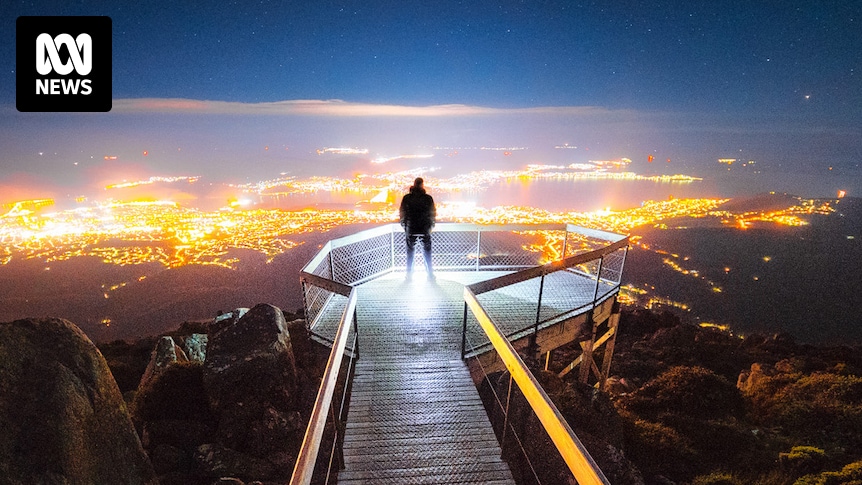
The Wellington Park Management Trust, responsible for overseeing Hobart’s iconic Kunanyi/Mt Wellington, has issued a pointed critique of the Tasmanian government’s approach to the mountain’s access review. The Trust’s concerns, revealed in a letter obtained by the Greens through right-to-information legislation, highlight what it describes as “strange” aspects of the government’s framing of access issues.
The letter, dated September 11, details several concerns, including the alleged exaggeration of access issues through statistics, the potential misuse of sustainability language to justify tourism infrastructure, and the omission of Aboriginal values in the proposed management framework. The Trust also expressed apprehension about the safety implications of providing all-weather access to the mountain, suggesting it could increase risks for visitors unfamiliar with the challenging environment.
Background and Previous Criticisms
This development follows earlier criticisms from the Trust regarding a draft recommendation for a cable car on the mountain. In 2022, Tasmania’s planning tribunal rejected a cable car proposal on 18 grounds, with 15 based on the existing Wellington Park management plan. The Trust’s latest response was to a paper circulated by the Department of State Growth, which included an expression of interest (EOI) process to explore potential access solutions. However, the ABC reports that this EOI process is no longer being pursued.
According to the Trust, the decision-making framework proposed by the government for transport solutions on the mountain was unclear in its interaction with existing laws, which they described as “strange”.
User-Pays Model and Funding for Infrastructure
Meanwhile, the Trust is evaluating the feasibility of a ‘user-pays’ model for road access to Kunanyi/Mt Wellington. This model could resemble a pass system similar to the Parks Pass, with the ultimate decision resting with the relevant government minister. A business case outlining potential price points is expected next month, with the aim of using funds to maintain and upgrade visitor facilities, addressing a long-standing revenue shortfall for the park.
In a related development, the federal government has allocated $3.2 million to the Hobart City Council for a feasibility study into a transport hub at Halls Saddle. This council-owned site off Huon Road is expected to have a revised master plan by March, leading to a development-ready plan funded by federal resources.
Debate Over Cable Car Proposal
The contentious issue of a cable car remains central to the debate. The Tasmanian Greens have accused the government of using the review process to facilitate the approval of a cable car. Greens Clark MP Vica Bayley echoed the Trust’s concerns, stating, “These documents confirm that the government’s process is really just about pre-empting a new management plan, trying to get around proper protections for the mountain and facilitate the way for a cable car.”
The Mount Wellington Cableway Company, which supports the cable car project, welcomed the review’s announcement in 2024 but has urged the government to expedite the process. The review is anticipated to conclude in April, with an action plan to follow.
Public Opinion and Future Implications
Public consultation on the review drew responses from over 9,000 individuals, with 73 percent expressing satisfaction with current facilities at the mountain’s pinnacle, including car parking and tracks. Although the consultation did not specifically address the cable car, it emerged as a significant topic, with 30 percent of respondents supporting it and 28 percent opposing it.
“More than 9,000 Tasmanians contributed to the public consultation process, which shows strong support for improving access, visitor safety, and year-round experiences, including exploring all-weather transport options,” stated Felix Ellis, Tasmania’s Minister for Business, Industry, and Resources.
Despite the government’s argument that road or trail closures have affected 51 percent of respondents, underscoring the need for alternative transport options, the Trust remains unconvinced. They argue that visitor understanding of road closure reasons is lacking.
As the review progresses, the outcome will significantly impact the future management of Kunanyi/Mt Wellington, balancing the preservation of its natural and cultural values with the demands of tourism and accessibility.