



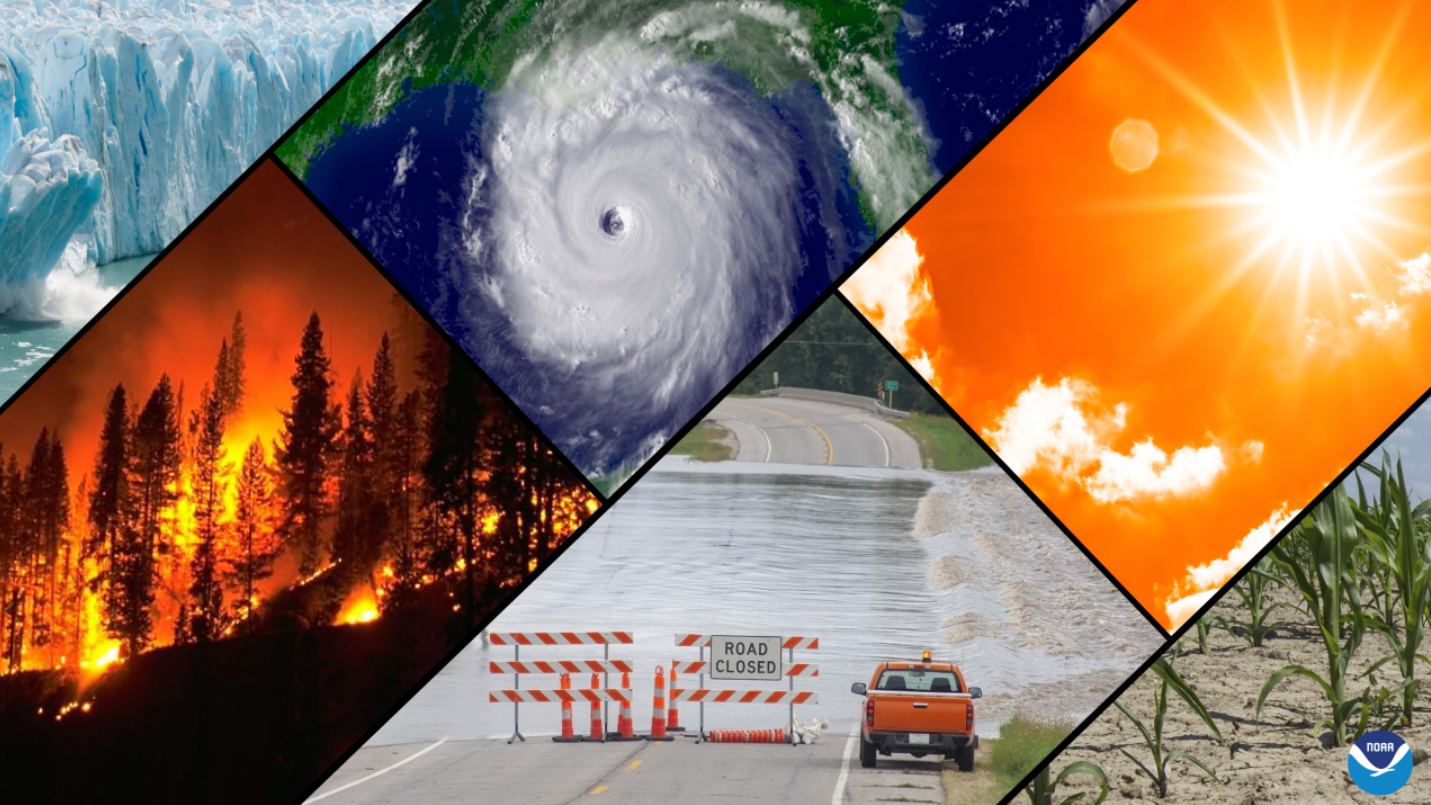

In a landmark conclusion to the Global Summit on Climate Change held in Geneva, world leaders have reached a consensus on a series of ambitious agreements aimed at curbing global warming. The summit, which concluded on Friday, saw representatives from over 190 countries commit to new targets for reducing carbon emissions, marking a significant step forward in international climate policy.
The agreements include a pledge to cut global carbon emissions by 45% by 2030, compared to 2010 levels, and to achieve net-zero emissions by 2050. These targets are designed to limit the global temperature rise to 1.5 degrees Celsius above pre-industrial levels, a threshold scientists warn is critical to avoiding the most catastrophic effects of climate change.
Key Agreements and Commitments
The summit’s agreements encompass a range of measures, including increased investment in renewable energy, the phasing out of coal power, and financial support for developing nations. These commitments are expected to drive significant changes in energy production and consumption worldwide.
According to the summit’s final declaration, developed countries have pledged to mobilize $100 billion annually to assist developing nations in their transition to sustainable energy sources. This financial support is seen as crucial for enabling poorer countries to meet their climate goals without compromising economic growth.
Expert Opinions and Reactions
Experts have largely welcomed the outcomes of the summit, though some have expressed concerns about the feasibility of the targets. Dr. Emily Thompson, a climate scientist at the University of Oxford, noted that while the agreements are ambitious, they are necessary to prevent irreversible damage to the planet.
“The commitments made at this summit are a vital step in the right direction,” said Dr. Thompson. “However, the real challenge lies in the implementation of these measures and ensuring that all countries adhere to their pledges.”
Meanwhile, environmental advocacy groups have praised the summit for its focus on equity and justice, highlighting the importance of supporting vulnerable communities that are disproportionately affected by climate change.
Historical Context and Comparisons
This summit builds on the momentum of previous international climate agreements, such as the Paris Agreement of 2015, which first set the goal of limiting global warming to well below 2 degrees Celsius. The new targets are more stringent, reflecting the increasing urgency of the climate crisis.
Historically, international climate negotiations have been fraught with challenges, often hindered by political and economic disagreements. The success of this summit is attributed to a growing global consensus on the need for immediate action, driven by mounting scientific evidence and public pressure.
By the Numbers
- 45% reduction in global carbon emissions by 2030
- Net-zero emissions target by 2050
- $100 billion annual funding for developing nations
- Over 190 countries participating
Future Implications and Next Steps
The agreements reached at the summit are expected to have far-reaching implications for global energy policies and economic strategies. Countries will need to develop detailed national plans to meet their targets, which may involve significant changes to infrastructure, industry, and transportation systems.
Looking ahead, the focus will shift to the implementation of these agreements and the monitoring of progress. The United Nations has announced plans to hold annual reviews to assess the effectiveness of the measures and ensure accountability among nations.
As the world grapples with the challenges of climate change, the outcomes of this summit represent a hopeful step toward a more sustainable future. The coming years will be critical in determining whether these commitments translate into tangible action and meaningful progress in the fight against global warming.