

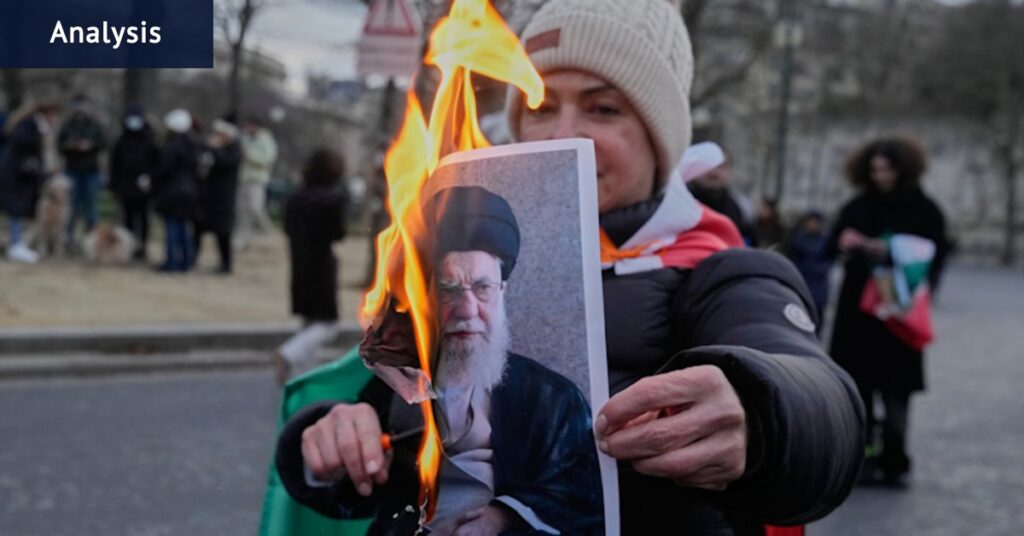
As protesters continue to flood the streets of Iran night after night, global leaders are closely monitoring the situation, contemplating the possibility that the Islamic Republic could face a transformative upheaval. Such a development would have profound implications for global geopolitics and energy markets.
The regime of Supreme Leader Ayatollah Ali Khamenei has withstood numerous protest waves in the past, but the current demonstrations, which began two weeks ago, are gaining momentum. Reports indicate that hundreds of thousands have defied governmental threats and a severe crackdown to voice their dissent across the nation, from the capital Tehran to numerous other cities in this country of 90 million people.
The protests have caught the attention of US President Donald Trump, who recently celebrated the capture of Venezuela’s former president Nicolás Maduro. Trump has issued repeated threats to strike Iran, suggesting a renewed American interest in regime change.
Global Reactions and Economic Implications
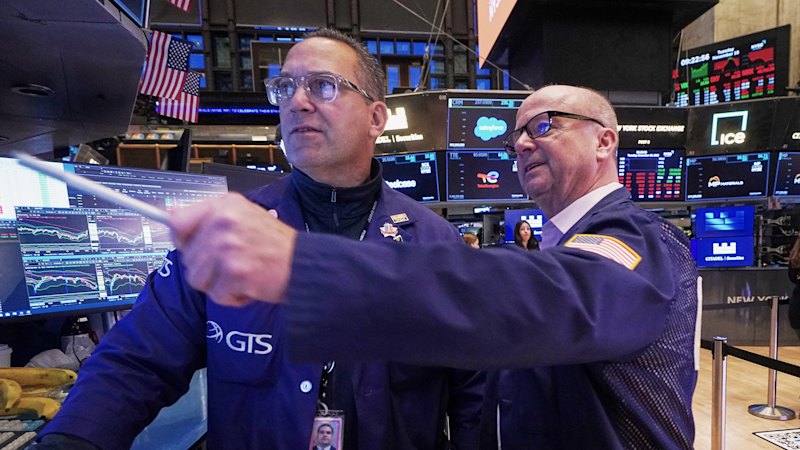
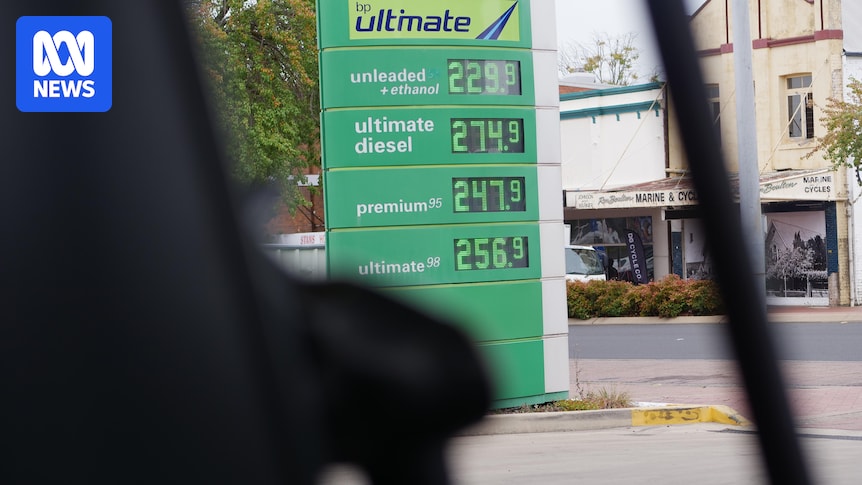
World leaders and investors are on high alert. US military commanders have briefed President Trump on potential military strike options, according to a White House official. The economic ramifications are already being felt, with Brent crude prices surging over 5% to exceed $63 a barrel amid fears of supply disruptions from OPEC’s fourth-largest producer.
“This is the biggest moment in Iran since 1979,” remarked William Usher, a former CIA senior Middle East analyst, referencing the revolution that established the Islamic Republic and shifted regional power dynamics.
The protests, initially sparked by a currency crisis and economic collapse, have resulted in over 500 deaths and more than 10,000 arrests, according to the US-based Human Rights Activists News Agency. The Iranian government has attempted to quell dissent by blocking internet and phone networks, while foreign airlines have suspended flights to the country.
International Dynamics and Strategic Interests
President Trump’s stern warnings to Iran coincide with his broader geopolitical maneuvers, including the controversial claim over Venezuela’s oil and the provocative suggestion of acquiring Greenland from Denmark. Israel, having engaged in a US-supported 12-day air campaign against Iran in June, is in close consultation with European governments regarding the unfolding situation.
Should the Iranian regime fall, it would represent a significant setback for Russian President Vladimir Putin, who recently lost another ally with the downfall of Syria’s Bashar al-Assad. The stakes for oil traders are high, yet it remains unclear if unrest has affected Khuzestan, Iran’s primary oil-producing region.
“The market’s focus has now shifted to Iran,” noted Arne Lohmann Rasmussen, chief analyst at A/S Global Risk Management.
The potential for US intervention is a concern, as is the possibility of a power vacuum reminiscent of the post-Arab Spring chaos. The Gulf Cooperation Council (GCC), while historically adversarial towards Iran, has sought improved relations to mitigate potential regional fallout.
Future Scenarios and Regional Stability
Despite the turmoil, some analysts believe a complete regime collapse is unlikely. Dina Esfandiary, a Middle East analyst at Bloomberg Economics, suggests that the most probable outcome would be a leadership reshuffle or a coup by the Islamic Revolutionary Guard Corps (IRGC), which could lead to increased social freedoms but a more militaristic foreign policy.
“A collapse appears unlikely for now,” Esfandiary stated. “Iranians are frightened of chaos, having seen it wreak havoc in neighboring Iraq and Syria.”
President Masoud Pezeshkian, a moderate figure within the Iranian government, has called for dialogue, expressing condolences to affected families. However, skepticism remains high among protesters, particularly given the hardline stance of the supreme leader and security forces.
The potential for large-scale violence looms, as the IRGC is likely to defend the regime vigorously. Former CIA analyst Usher warns of possible fracturing within the country, with ethnic minorities and provinces seeking greater autonomy.
As the situation unfolds, the world watches with bated breath, aware that the outcome could reshape the geopolitical landscape significantly. The coming weeks will be critical in determining Iran’s future and its impact on global affairs.