

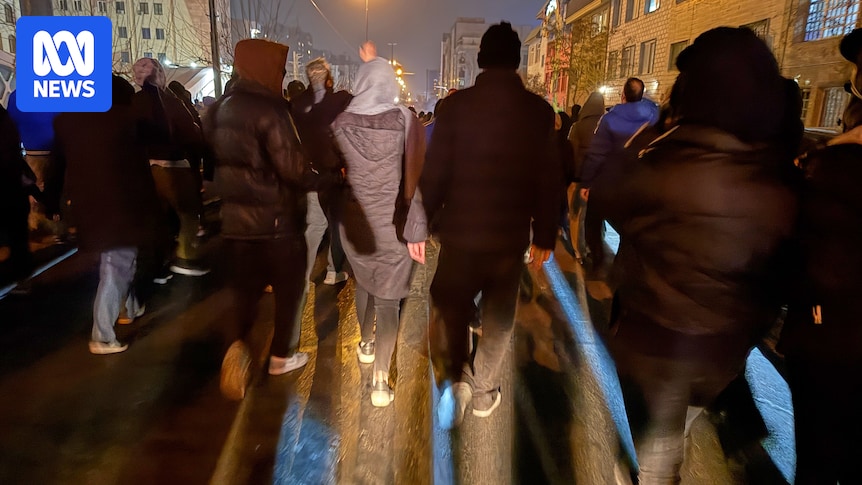
In a small city south of Tehran, the streets were alive with protestors, among them an Iranian-Australian who had returned from Sydney to his hometown during the summer break. It was January 8, and Iran’s theocratic regime had plunged the nation into a communications blackout. Ali, whose name has been changed for security reasons, found himself in the midst of a massive demonstration alongside his brother, chanting against the regime.
The sheer size and diversity of the crowd surprised Ali. “What caught my eyes were people from all generations and different social classes,” he recounted from Türkiye. “Families, mothers with young children, elderly citizens, and even devout women in chadors were chanting in favor of Reza Pahlavi,” he said, referring to the exiled crown prince of Iran.
However, the peaceful protest soon descended into chaos. Within minutes, Ali witnessed the deadly force of the regime’s crackdown. “They used tear gas a lot, and even though we were not in the front, two people were shot next to us,” he recalled. The night was marked by violence as regime forces resorted to shooting and beating protestors.
Nationwide Unrest and International Reactions
The demonstrations, which began on December 28 over economic grievances, quickly evolved into widespread dissent against Iran’s clerical rulers. According to the US-based rights group HRANA, at least 618 protest gatherings have been recorded across 187 cities, involving all 31 provinces. Reports indicate that January 8 and 9 were particularly violent, with HRANA estimating over 2,600 protestors killed, although some sources claim the number could be as high as 12,000.
Ali described the grim scenes he witnessed: “I could see blood everywhere. People had nothing while the other side was armed with all types of weapons, some military-grade.” He shared the tragic fate of two friends who were killed during the protests in Tehran and Shahreza.
“I could see blood everywhere in the street. People had nothing while the other side was armed with all types of weapons, some military-grade.” — Ali
Video footage obtained by the ABC, though unverified, shows regime officers laughing as they filmed wounded protestors. Images of victims, some as young as 16, have flooded social media, despite the regime’s attempts to control information.
Allegations of Proxy Militias and International Concerns
Reports have emerged of proxy militias, possibly from Iraq or Afghanistan, participating in the crackdown. Witnesses claimed to hear regime forces speaking Arabic, suggesting the involvement of foreign militias. The Institute for the Study of War noted that Iraqi militias might be more willing to use lethal force against protestors due to a lack of personal ties to Iranian communities.
Meanwhile, there are growing concerns for the 19,000 individuals reportedly detained, with fears of extrajudicial executions. The regime has attempted to quell international outrage, as US President Donald Trump deliberates on intervention options. Ali and other protestors hope for US intervention, viewing it as a potential equalizer in their struggle.
“Iranians were generally looking for US intervention now as they see it as an unequal and unfair battle.” — Ali
Calls for Evacuation and the Path Forward
Amidst the turmoil, Australian Foreign Minister Penny Wong has urged Australians in Iran to leave while commercial options remain available. “Our travel advice remains do not travel, and our ability to provide services in Iran is extremely limited,” she stated, highlighting the potential for rapid deterioration in the security situation.
Ali’s own escape from Iran underscores the urgency of the situation. After accessing a friend’s Starlink connection in Tehran, he managed to book a flight to Istanbul, narrowly avoiding a more dangerous overland escape. “The airport was full of dual nationals trying to leave,” he noted.
As the situation continues to unfold, the international community watches closely, weighing the implications of intervention and the potential for further escalation. For now, the streets of Iran remain a battleground for those seeking change, and the world remains on edge, awaiting the next chapter in this unfolding crisis.