



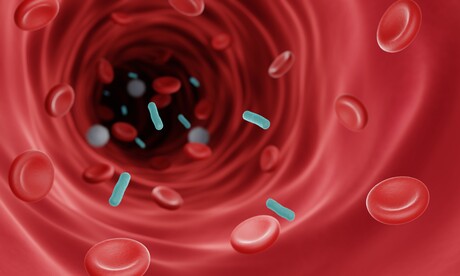
Affecting millions of hospitalized patients globally each year, sepsis is a life-threatening condition where the body’s immune response to infection inadvertently harms its own tissues and organs. In a significant development, researchers from Griffith University in Australia are poised to advance a groundbreaking sepsis drug to Phase 3 clinical trials following successful Phase 2 results in China.
The drug, known as STC3141, was co-developed by Distinguished Professor Mark von Itzstein AO and his team at Griffith’s Institute for Glycomics, alongside Professor Christopher Parish from the Australian National University. According to Professor von Itzstein, the drug holds the potential to “save millions of lives” by effectively reducing sepsis in humans.
Breakthrough in Sepsis Treatment
The Phase 2 trial, conducted by Grand Pharmaceutical Group Limited (Grand Pharma), involved 180 patients and demonstrated that STC3141 successfully met key endpoints. Administered via infusion, the carbohydrate-based drug counteracts a critical biological molecule release that occurs during sepsis, potentially reversing organ damage.
“The trial met the key endpoints to indicate the drug candidate was successful in reducing sepsis in humans,” said Professor von Itzstein.
The announcement comes as sepsis remains a major challenge for healthcare systems worldwide, with current treatments often falling short in effectively managing the condition.
From Research to Real-World Impact
The development of STC3141 is a collaborative effort between Australian institutions, highlighting the importance of international cooperation in addressing global health crises. With the promising results from the Phase 2 trial, Grand Pharma plans to move forward with a Phase 3 trial to further test the drug’s efficacy and safety.
Professor von Itzstein expressed optimism about the future of STC3141, stating that if the upcoming trials are successful, the treatment could reach the market within a few years, offering new hope to sepsis patients worldwide.
“We could see the treatment reach the market in a handful of years, potentially saving millions of lives,” von Itzstein said.
Sepsis: A Global Health Challenge
Sepsis is a leading cause of death in hospitals, often resulting from infections that trigger a severe systemic response. Despite advancements in medical science, effective treatments remain limited, underscoring the need for innovative solutions like STC3141.
According to the World Health Organization, sepsis affects more than 49 million people annually and is responsible for 11 million deaths, emphasizing the critical need for effective interventions.
Expert Opinions and Future Implications
Experts in the field have lauded the progress made by the Griffith University team, noting that STC3141 represents a significant step forward in sepsis treatment. Dr. Emily Roberts, an infectious disease specialist, remarked on the potential impact of the drug.
“This development could change the landscape of sepsis treatment, offering a viable option for patients who currently have limited choices,” Dr. Roberts stated.
The move represents a promising advance in the fight against sepsis, with researchers hopeful that continued success in clinical trials will pave the way for regulatory approval and widespread use.
Looking Ahead
As the world grapples with the ongoing challenges posed by infectious diseases, the development of STC3141 offers a beacon of hope. With the potential to transform sepsis treatment, the drug’s progress through clinical trials will be closely watched by the medical community and patients alike.
Meanwhile, the collaboration between Griffith University and Grand Pharma underscores the importance of global partnerships in addressing complex health issues. As the Phase 3 trial approaches, the medical world waits in anticipation for what could be a pivotal moment in the battle against sepsis.