



As recently as the early 1990s, 40% of Australian workers were union members. Fast forward to 2024, and that figure has dropped to just 13.1%, despite a slight increase in membership for the first time in a decade. This stark decline has fueled arguments that unions have become less relevant in the lives of Australians.
While some unions have recently faced negative headlines due to allegations of corruption, bullying, and violence, others, like the Transport Workers Union (TWU), have achieved notable successes. These include a landmark A$90 million fine against Qantas for the illegal sacking of 1,800 workers and a groundbreaking deal with Uber and DoorDash to enhance pay and safety for food delivery workers.
New Approaches Amid Falling Membership
The decline in union membership began in the 1990s with the shift to “enterprise bargaining,” which fragmented unions’ industrial strength. Thousands of enterprise-level agreements replaced a few industry-wide instruments, spreading union resources thin and making it challenging to achieve outcomes in workplaces with low membership.
In response, the TWU concentrated its efforts on large retailers, whose pricing decisions significantly influenced wage rates across their supply chains. This strategic focus allowed the TWU to concentrate resources and regain influence. Simultaneously, the TWU partnered with transport companies, aligning their interests against the price pressures exerted by large retailers, which squeezed revenue, wages, and compromised road safety.
Making a Public Safety Case
The TWU’s “safe rates” campaign, initiated in the 1990s and ongoing, aimed to highlight how unrealistic delivery deadlines and cost-cutting by retailers contributed to road accidents. By framing better conditions for transport workers as a public safety issue, the TWU shifted the debate from the workplace to the community.
To reinforce this message, the TWU relied on evidence from government inquiries into interstate trucking and academic reports over the past two decades, making it difficult to dismiss their claims. This advocacy led to the creation of the Road Safety Remuneration Tribunal in 2012, which, although abolished in 2016, demonstrated the TWU’s ability to change norms and assumptions about working conditions in road transport.
How a Costly Gamble Paid Off
Years of outsourcing at Qantas had eroded the TWU’s aviation membership, and efforts to adapt the successful road transport safety message had initially failed. However, the COVID-19 pandemic presented an unexpected opportunity.
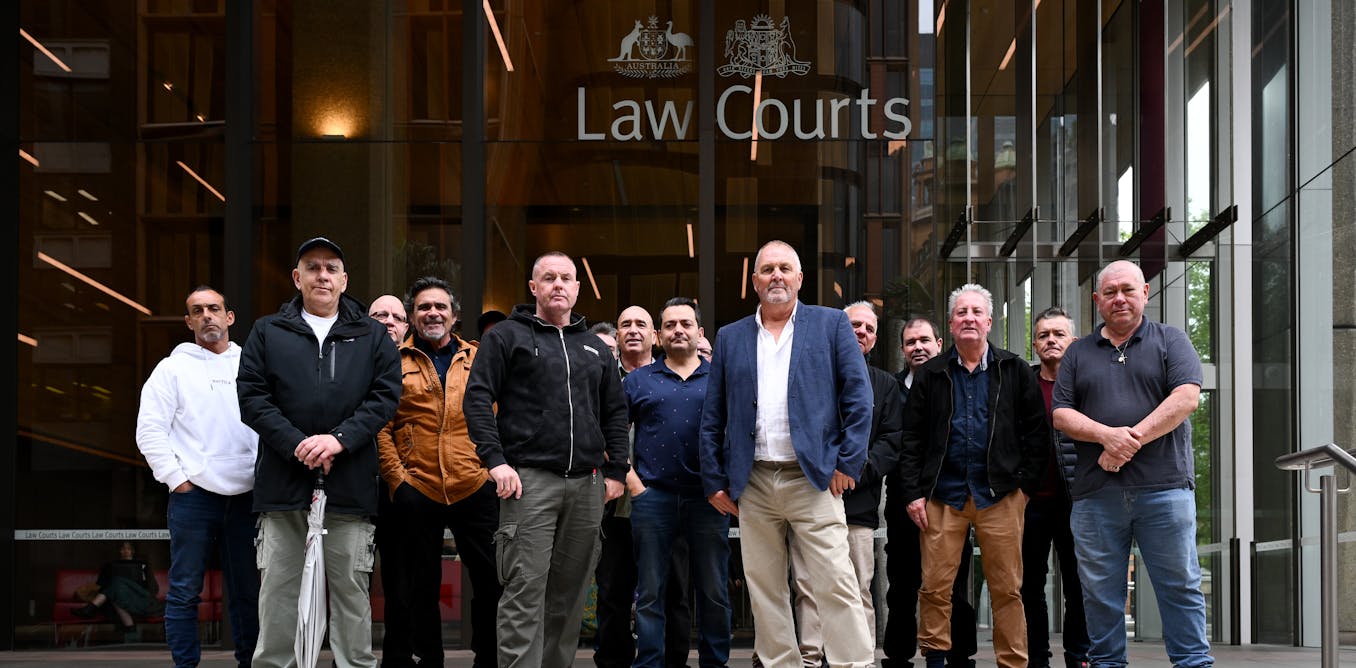
The TWU’s concerns about aviation working conditions gained traction when Qantas outsourced 1,800 jobs during the pandemic. The union took Qantas to court, incurring millions in legal fees, alleging that the outsourcing was illegal. Last year, Qantas was ordered to pay $90 million for illegally outsourcing jobs, marking Australia’s largest-ever penalty for violations of industrial relations laws.
Federal Court Justice Michael Lee stated, “It will send a message to Qantas and other well-resourced employers that not only […] will they face potentially significant penalties for the breach of the act, but those penalties will be provided to trade unions to resource those unions in their role as enforcers of the act.”
Emboldened by this victory, the TWU has called for the creation of a Safe and Secure Skies Commission to improve standards at airports and airlines, benefiting both workers and passengers.
Improving Conditions for Gig Workers
The TWU initially struggled to establish a presence in the gig economy delivery sector. However, as more food delivery workers were injured or killed during the pandemic, the situation began to change.
With home deliveries surging during and since the pandemic, Amazon’s reliance on independent contractors created challenges for other delivery companies, significantly undercutting their revenue. Dubbed the “Amazon effect,” the TWU warned that this business model threatened job quality and, ultimately, the viability of the delivery industry.
This reasoning brought platform companies, traditional delivery operators, and policymakers to the negotiating table. In 2023 and 2024, the Closing the Loopholes reforms established minimum standards for workers classified as “employee-like” and for transport contractors more broadly.
Looking Ahead
Last year, a TWU survey found many rideshare drivers waiting hours for work, skipping meals to save money, and drinking less to minimize toilet breaks. More than half drove while fatigued, with some sleeping in their cars due to low wages.
In response, the TWU made an application with the Fair Work Commission to create a safety net for rideshare drivers. If successful, it would be a world-first initiative.
While the TWU has lost many members over the past 30 years, it is slowly recovering. Membership increased from 55,570 at the end of 2022 to 58,885 at the end of 2024. Over time, the TWU has rebuilt its influence by forging alliances and crafting broadly resonant messages to help shift both public expectations and the law.
The TWU’s long game offers an instructive path for other Australian unions: start where workers are feeling the sharpest impacts, craft a story that explains what needs to change, then build evidence and alliances to enact that change.