



This new year in Victoria marks a significant departure from previous ones, as it is the first time in the state’s history that the public has access to cabinet deliberations. Thirty years after being entrusted to the Public Records Office in 1996, the papers from the Cain and Kirner governments of the 1980s and early 1990s have been released to the public.
As noted by our state political reporter, Kieran Rooney, these documents reveal issues that resonate with current challenges: “A Labor government challenged by record debt levels, a rogue construction union requiring an external administrator, a female premier tasked with the difficult challenge of righting the ship and winning a historic fourth term in government.” The parallels are striking, as Victoria continues to grapple with similar dilemmas today.
Historical Echoes and Current Challenges
The cabinet papers take us back to the first major rollout of poker machines in Victoria and the debates surrounding their regulation. Then-attorney-general Jim Kennan’s hope that bet limits would “inhibit a ‘flutter’ from becoming heavy gambling” is reminiscent of the current controversy over the trial of cashless pokies, criticized for not including mandatory loss limits.
Moreover, the vision for Docklands as a technology hub with a university campus and low-rise housing echoes the present-day development challenges of the suburb. Similar ambitious plans for Fishermans Bend, including a campus for the University of Melbourne, remain in limbo.
Political Reflections and Future Prospects
Joan Kirner’s premiership serves as a reminder of the burdens long-term governments carry, which can ultimately lead to their downfall. The question now is whether the Allan government faces a similar fate, with potential issues like the Suburban Rail Loop, conceived during the Andrews years, possibly haunting Labor in the future.
As Victoria enters an election year, unresolved issues such as the size and politicization of the public service, the debt burden, and crime continue to dominate the political landscape. The Commonwealth Games, set to open in Glasgow in July, highlight the flawed financial modeling and warnings ignored, leaving Victorian taxpayers $589 million out of pocket.
Jacinta Allan, then minister for Commonwealth Games delivery, oversaw the abrupt cancellation of the event, which will now be staged in another country.
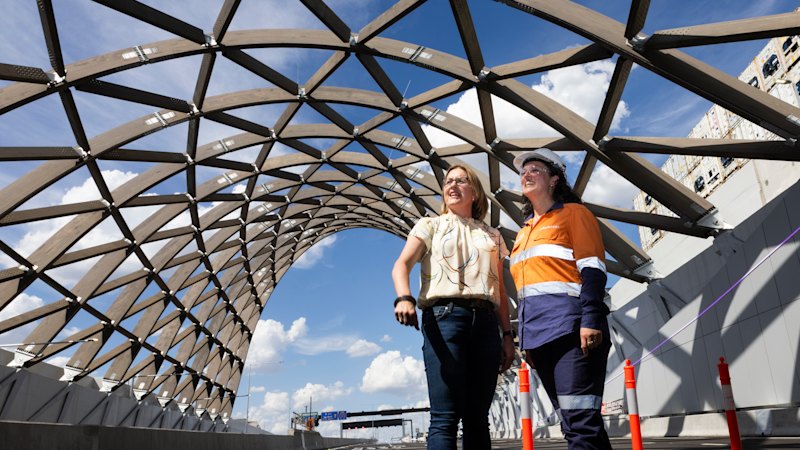
Despite these challenges, the government can tout successes like the Metro and West Gate tunnels and the historic treaty with the state’s First Peoples. The opposition, however, must craft a compelling message to present an alternative to voters.
Opposition’s Struggles and the Path Forward
After a decade of internal turmoil, the Victorian Liberals failed to gain momentum in 2025. Brad Battin’s leadership, secured at the end of 2024, was short-lived due to questions about his all-male team and subsequent reshuffle, which paved the way for his ousting. Like his predecessors, Battin leaves without contesting an election as leader.
The Victorian Liberals face the challenge of communicating a clear vision to voters and assembling the unity and organizational strength needed to return to power. If the major parties have their way, the election will focus on transport, planning, housing affordability, the economy, healthcare, and crime—key policy areas shaping life in Victoria.
Transparency, Accountability, and Innovation
The historic release of Victorian cabinet papers underscores the importance of transparency, a principle championed by John Cain jnr through the state’s freedom of information laws. However, the current state of these laws is concerning, and The Age is committed to advocating for accountability across the political spectrum this year.
At the local government level, addressing corruption, as highlighted by the Independent Broad-based Anti-corruption Commission’s Operation Sandon investigation, is crucial for maintaining public confidence and the integrity of local governance.
As in the Cain and Kirner era, when Victoria sought to shed its “Rust Bucket State” image, there is a pressing need for visionary thinking to explore new economic opportunities. While building transport infrastructure is commendable, fostering pathways to future prosperity amid rapid technological change requires bold imagination from leaders.
The Age aims to drive constructive conversations in these critical areas of public life throughout the year. We will celebrate Victoria’s achievements and candidly address its shortcomings. We invite our readers to join us in this dialogue, eager to hear your perspectives.