


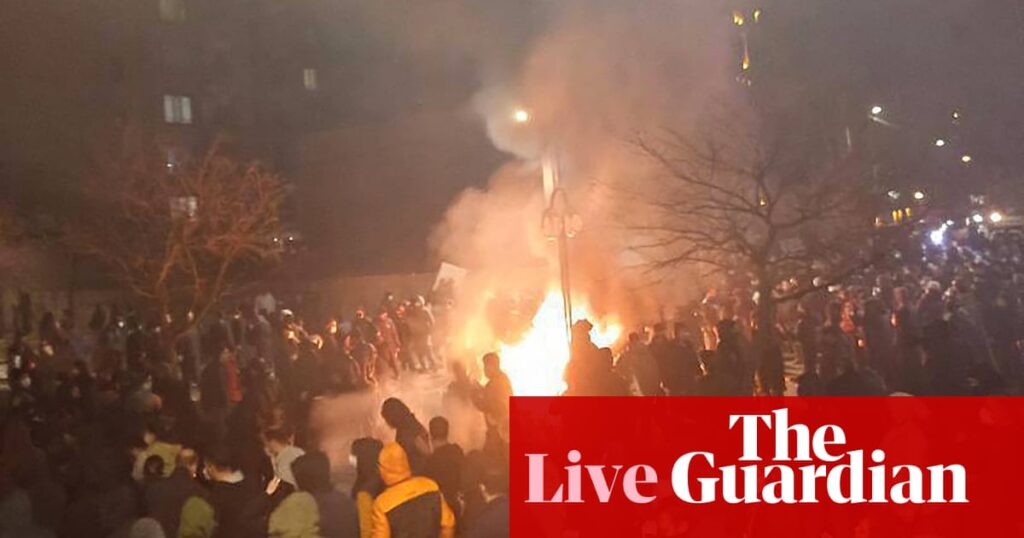
In a bold statement, former U.S. President Donald Trump has called upon the people of Iran to continue their protests and “take over” their institutions, amid escalating violence in the country. Trump’s message, shared on Truth Social, emphasized that “help is on its way” and urged Iranians to document the identities of those responsible for the violence, promising they would “pay a big price.”
The announcement comes as Iran faces widespread unrest following the government’s crackdown on protesters. According to reports, the death toll has reached alarming numbers, with some sources indicating that thousands have been killed. The international community, including European nations, has responded by summoning Iranian ambassadors to express their condemnation of the violence.
Trump’s Stance and International Reactions
Trump’s call to action is part of a broader strategy to pressure the Iranian regime. The former president has canceled all meetings with Iranian officials until the violence ceases. During a speech at the Economic Club in Detroit, Trump reiterated his stance, emphasizing the need for the Iranian government to halt its actions against protesters.
Meanwhile, the White House press secretary, Karoline Leavitt, highlighted that airstrikes are among the “many, many options” being considered, although diplomacy remains the preferred approach. This development follows Trump’s previous threats of military action against Iran to align Tehran with U.S. demands.
Secret Meetings and Diplomatic Channels
In a related development, Trump’s envoy, Steve Witkoff, reportedly held a secret meeting with Reza Pahlavi, the exiled crown prince of Iran. Pahlavi has been vocal about his readiness to lead a transition in Iran, advocating for a secular, democratic government. Although details of the meeting remain undisclosed, it underscores the ongoing diplomatic efforts behind the scenes.
Despite the cancellation of official meetings, communication channels between the U.S. and Iran remain open. The Iranian foreign minister confirmed contact with Witkoff, indicating a “far different tone” in discussions. However, Trump’s firm stance on halting meetings until the violence stops adds complexity to these diplomatic efforts.
Escalating Violence and Humanitarian Concerns
The situation in Iran has deteriorated rapidly, with reports of a significant increase in casualties. CBS News reports a death toll of at least 12,000, potentially reaching 20,000, based on information from activist groups and medical records. The Iranian regime has not released official figures, but the scale of violence is evident from the limited footage emerging from the country.
Amnesty International has raised alarms about the swift trials and executions of protesters, highlighting the case of Erfan Soltani, a 26-year-old facing imminent execution. The organization warns of the Iranian authorities’ potential use of arbitrary executions to suppress dissent.
According to the Human Rights Activists News Agency, over 16,000 protesters have been arrested, with at least 2,000 fatalities reported.
International and Domestic Reactions
The international community has responded with strong condemnation. Several European countries, including France, Germany, and Spain, have summoned Iranian ambassadors to protest the regime’s actions. France’s foreign minister described the crackdown as “state violence,” while Germany’s foreign ministry called it “shocking.”
Domestically, the U.S. House Foreign Affairs Committee has issued a statement urging Iranians to make regime change inevitable, criticizing Ayatollah Khamenei’s leadership for its detrimental impact on the country.
Looking Ahead: Potential Outcomes and Implications
The situation in Iran remains volatile, with the potential for further escalation. The international community’s response, coupled with internal pressure from protesters, could lead to significant changes within the country. However, the path forward is fraught with challenges, as the Iranian regime shows no signs of backing down.
As the world watches, the coming days will be critical in determining the outcome of this crisis. The international community’s role, alongside the resilience of Iranian protesters, will be pivotal in shaping the future of Iran.
For now, the global community waits to see if Trump’s promise of “help” will materialize and what form it might take, as the Iranian people continue their fight for change.