




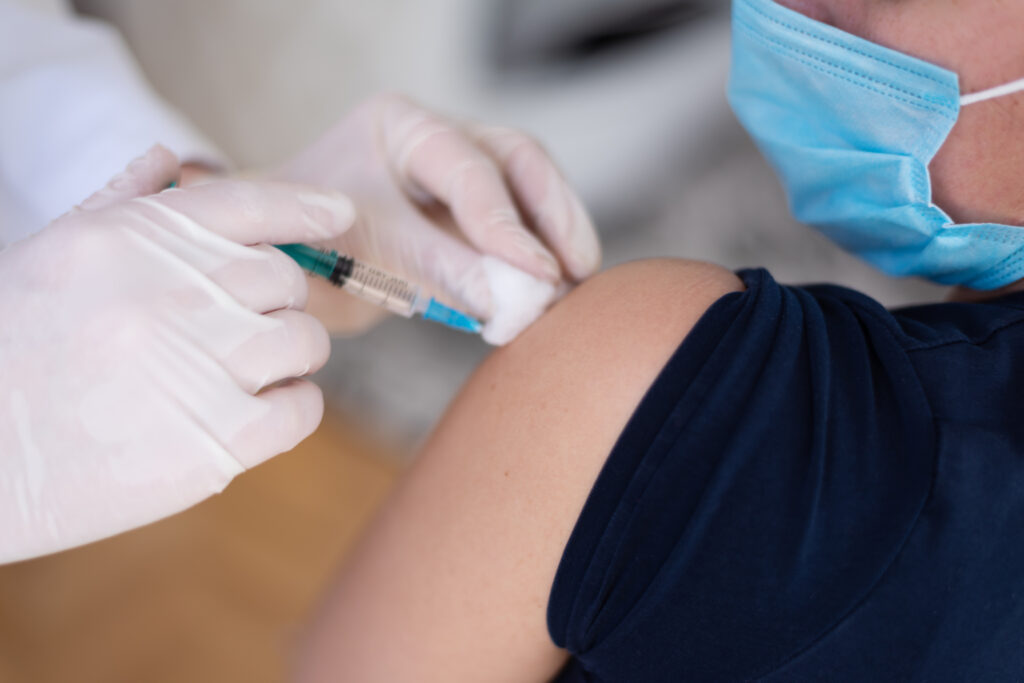
New research from Imperial College London reveals that initial hesitancy towards COVID-19 vaccines was largely based on concerns that could be mitigated over time. The study, part of the REACT program, found that nearly two-thirds (65%) of those initially hesitant eventually received at least one dose of the vaccine.
Published in The Lancet, the findings highlight that the main reasons for vaccine hesitancy during the pandemic were doubts about vaccine effectiveness and potential side effects. Individuals citing these concerns were more likely to change their stance and get vaccinated. However, those with a general anti-vaccine sentiment, mistrust of vaccine developers, or a perceived low risk from COVID-19 remained more resistant to vaccination.
Insights from the REACT Study
The REACT study, conducted by Imperial’s School of Public Health, analyzed data from over one million adults between January 2021 and March 2022. Researchers compared initial responses with subsequent vaccination records from the National Health Service to understand vaccine hesitancy and its drivers.
Participants were asked about their vaccination status and intentions. Those expressing hesitancy were prompted to provide reasons from a list of 23 options or through a free text response. The analysis revealed that 3.3% of participants reported some degree of hesitancy, with data available for 64% of them through NHS records. Hesitancy rates decreased from 8% in January 2021 to 1.1% by early 2022, with a slight increase during the Omicron wave.
Demographic Variations in Hesitancy
The study identified eight categories of vaccine hesitancy, including concerns about effectiveness, side effects, and mistrust of developers. Among the 30,701 respondents who provided reasons, 41% were worried about long-term health effects, 39% wanted to observe the vaccine’s effectiveness, and 37% were concerned about side effects.
Hesitancy reasons varied across demographics. Men were more likely to perceive COVID-19 as a low personal risk compared to women (18% vs 10%), while women expressed more concerns about fertility-related issues (21% vs 8%). Older adults were more likely to oppose vaccines in general than younger individuals (12% vs 2.5%).
“The COVID-19 pandemic provided a unique opportunity to look at attitudes towards vaccination during a health emergency,” said Professor Marc Chadeau-Hyam, co-senior author of the study.
Addressing Vaccine Hesitancy
The findings suggest that public health officials need to focus on providing reliable, clear information to address vaccine hesitancy effectively. Professor Paul Elliott emphasized the importance of accessible information on vaccine effectiveness and risks, especially during public health emergencies.
Professor Helen Ward noted that certain types of hesitancy, such as concerns related to pregnancy, were easier to address. As the vaccine rollout progressed, public confidence increased, overcoming initial skepticism.
Implications for Future Vaccination Campaigns
While the study focused on COVID-19 vaccines, the insights gained could apply to broader vaccine hesitancy issues, including childhood vaccinations. Dr. Helen Skirrow highlighted the resurgence of vaccine-preventable diseases like measles and stressed the need for clear communication from health professionals to address parental concerns.
“We need to ensure parents and families are getting clear and accurate information from health professionals so any concerns can be addressed,” Dr. Skirrow explained.
The Legacy of the REACT Program
Launched in April 2020, the REACT program became one of the largest coronavirus monitoring studies worldwide. It provided crucial data during the pandemic and continues to contribute to scientific research. In 2025, REACT joined a national dementia program to aid clinical trial recruitment, with the first participants expected in early 2026.
Professor Elliott highlighted the ongoing value of the REACT studies, noting their potential to inform better treatments and early detection for conditions like dementia and bipolar disorder.
“With the help of over three million participants, we are looking at the long-term consequences of the pandemic as well as a focus on specific conditions,” Professor Elliott stated.
The study, titled ‘Profiling vaccine attitudes and subsequent uptake in 1.1 million people in England: a nationwide cohort study,’ was authored by Matthew Whitaker, Joshua Elliott, Ines Gerard-Ursin, et al., and is published in The Lancet.