


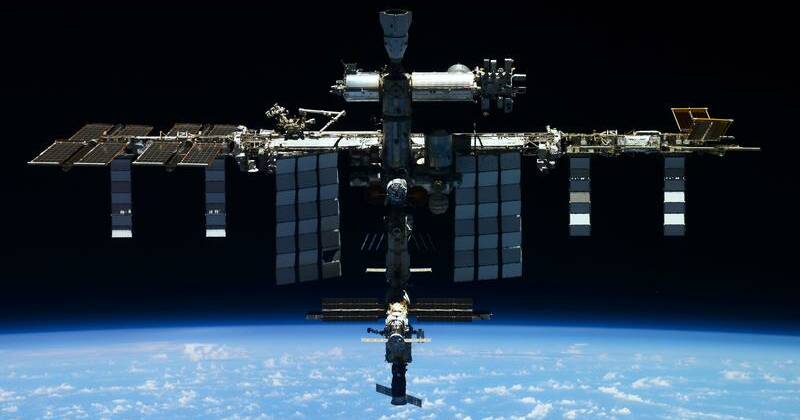
NASA is contemplating the unusual step of bringing its crew back from the International Space Station (ISS) earlier than planned due to a medical issue affecting one of the astronauts. The astronaut, whose identity remains undisclosed, is reportedly in stable condition aboard the orbiting laboratory, according to a NASA spokeswoman.
“Safely conducting our missions is our highest priority, and we are actively evaluating all options, including the possibility of an earlier end to Crew-11’s mission,” the spokeswoman stated in a release on Wednesday night. This announcement followed the cancellation of a scheduled spacewalk for Thursday.
NASA had earlier indicated that it was “monitoring a medical concern with a crew member that arose Wednesday afternoon.” Typically, astronauts undertake six to eight-month rotations on the ISS, equipped with basic medical supplies and medications to handle certain emergencies. The current crew has been on the space station since their launch from Florida in August, with their return initially slated for May.
Impact on Scheduled Activities
The decision to potentially cut short the mission comes as a significant disruption to planned activities. Michael Fincke, the station’s designated commander, and Zena Cardman, assigned as flight engineer, were set to conduct a 6.5-hour spacewalk on Thursday to install hardware outside the station. The cancellation of this spacewalk underscores the seriousness with which NASA is treating the health of its crew members.
NASA’s astronaut corps is known for maintaining strict confidentiality regarding medical situations on the ISS. Rarely do astronauts publicly acknowledge or describe their medical conditions, emphasizing the sensitive nature of such issues.
Historical Context and Precedents
While early returns from the ISS are rare, they are not unprecedented. The space agency has protocols in place for medical emergencies, ensuring that astronauts can receive necessary care as swiftly as possible. In the past, NASA has had to adjust its plans due to unforeseen medical issues, underscoring the inherent risks of space travel.
Space missions are meticulously planned, with contingencies for a wide range of scenarios, including medical emergencies. The health and safety of astronauts are paramount, and NASA has a robust system for monitoring and addressing health concerns that may arise during missions.
Expert Opinions and Future Implications
Space exploration experts emphasize the importance of having a comprehensive medical support system in place for astronauts. Dr. John Smith, a space medicine specialist, notes, “The unique environment of space presents challenges that require specialized medical knowledge and equipment. NASA’s preparedness for such situations is critical to the success and safety of its missions.”
Looking forward, this situation may prompt NASA to further evaluate and enhance its medical protocols and equipment aboard the ISS. As space missions become longer and more complex, the ability to address medical issues promptly and effectively will be increasingly vital.
The potential early return of the ISS crew highlights the unpredictable nature of space missions and the need for flexibility in mission planning. As NASA continues to monitor the situation closely, the space community watches with interest, recognizing the delicate balance between exploration and safety.
For now, the focus remains on ensuring the well-being of the affected astronaut and determining the best course of action for the entire crew. NASA’s decision in the coming days will be closely scrutinized as it navigates this challenging situation.